From Pilot to Fleet: Growing Office Herbal Tea Corner Sites
In one line: A business case for an office herbal tea corner survives on honest accounting - costs listed before month one, revenue read from the machine's own dashboard.
Key facts: A single machine is a pilot: the ledger tracks consumables, site fee, parts, cleaning time and revenue - cup by cup, month by month.
What Separates a Busy Unit from a Quiet One
Budget holders ask about the office herbal tea corner in cost language; operators answer in shift language. Where a number is uncertain, it is marked as a range rather than smoothed into a promise.
Costs and Revenue Lines to List
The pilot lives or dies on honest accounting: list machine, placement, consumables, parts, power, site fee, cleaning and downtime on one sheet before month one.
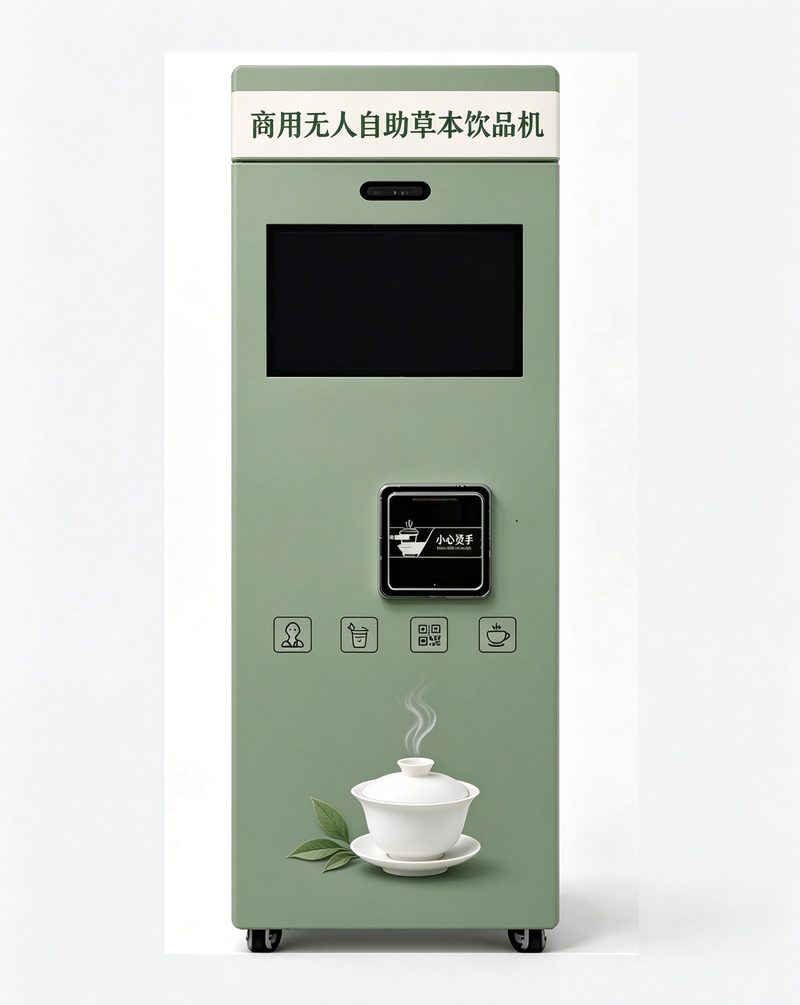
Lines on the Pilot Ledger
| Line | Cadence | Source of truth |
|---|---|---|
| Consumables | Monthly | Invoices against cups |
| Site fee or share | Monthly | The placement contract |
| Parts and filters | Quarterly average | Purchase log |
| Cleaning time | Weekly | Visit sheet |
| Revenue | Daily | Machine dashboard |
Two Floors Down, Another Machine
The same face, four weeks running. A first-time visitor following the signs stops at a bus terminal mezzanine near the ticket gates, holds the cup with both hands and says nothing, which is its own review, and the pattern has stopped being a coincidence.
No promotion produced that habit. A machine that is always there, always stocked and always the same cup did it, which is a quieter kind of marketing than anything with a budget.
A site is not won on the first cup; it is won on the fifteenth. The dashboard records it as one line; the day's curve bends up almost imperceptibly.
Selling the Machine or Placing It
Two business models sit behind the same cabinet: sell it and hand over the site, or keep it and pay the host a share. The first collects money once and loses the consumable; the second collects slowly and owns the risk.
The choice should follow the operator's strength. If the strength is service and route density, keep the machine; if it is sales and installation, sell it. Operators who mix the two without deciding end up servicing machines they no longer own.
What a Stockout Teaches
A stockout is a measurement, not just a failure. It tells you which line sells faster than the ledger says, which restock interval is too long, and whether the regulars forgive a gap or quietly stop coming.
Write down what ran out, at what hour, and how many days the gap lasted. Two stockouts on the same line in a month means the order size is wrong; stockouts spread across lines means the interval is wrong. The two fixes have nothing in common.
Presenting the Machine to Management
Track payback per machine from day one: revenue, capsule cost, terminal fees, rent share, and time. The 3-8 months range is real, but only the per-machine ledger shows which end of the range a site lives on.
Fleets that know their per-machine reality reinvest with confidence. Fleets that know only their average reinvest in hope.
Knowing When to Walk Away
The most expensive sites are the ones that should have been declined: access that cannot be reached at the hour the site needs, a share that leaves nothing, or a host who has already decided the machine is a nuisance.
Write down the three conditions that make a site unacceptable before touring, and apply them without negotiation in the first month. Saying no early is cheaper than exiting in year two, and it protects the routes that do work.
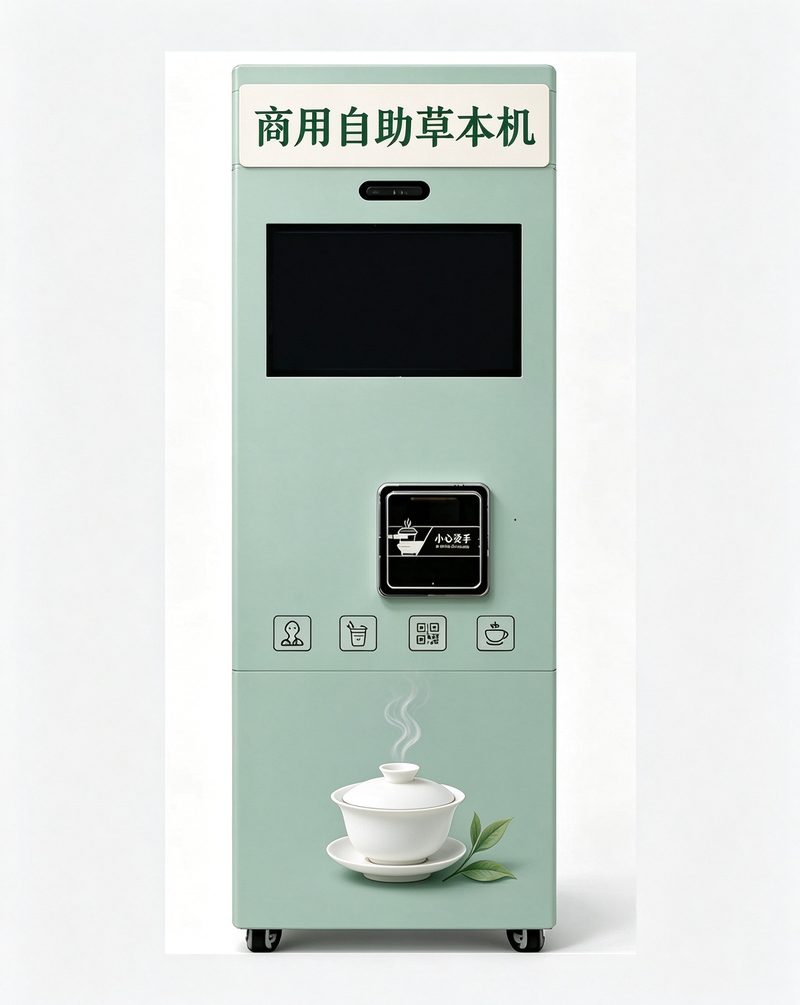
Spares You Should Never Be Out Of
Every fleet has a short list of parts whose absence turns an hour into a week: cup sensors, outlet seals, a spare payment terminal, and the one fuse the site cannot source locally.
Stock them at the depot rather than at sites. The measure is not how many you hold but how many days a repair waits for a part - and that number should be zero for the four items above.
When the Host Wants Their Own Branding
Hosts increasingly ask for their logo on the cabinet, their colours on the screen and their name on the cup. It is a reasonable request and a different product: brand work, not equipment.
Decide in advance what is included and what is charged: wrap, screen skin, cup print, and the minimum order those imply. Customisation promised verbally during a walkthrough becomes an unpaid project three weeks later.
The Corner Before and After
Six months ago the reception annex of a driving range was dead floor space - a bin, a poster, and the occasional sigh from a mother waiting out a clinic queue who wanted a chrysanthemum herbal tea and had nowhere to get it.
Now there is a office herbal tea corner against that wall. The routine is unremarkable, which is the compliment: waits the forty seconds scrolling a phone, pockets the receipt without looking at it.
The site host walks past without looking up - the highest compliment a placement gets.
The Numbers Behind the Case
Pilot one site per venue class before promising a fleet. Office, transit, retail, and campus each teach a different lesson about traffic, restock weight, and payment mix — lessons the second machine inherits cheaply.
An office herbal tea corner fleet grows well when each new cabinet copies a proven twin rather than a hopeful average. Class twins, not machine twins, are the unit of copying.
Scaling From One Machine to a Fleet
Fleet decisions copy the pilot's habits: same ledger, same cadence, same cleaning sheet - multiplied. The second machine is easier than the first precisely because the routine already exists.
Failed Payments and the Refund Path
Every unattended machine produces failed payments, and the failure that damages trust is not the decline - it is the ambiguous one, where money leaves the account and no cup appears.
The fix is procedural: a visible number to call, a refund rule written down before the first complaint, and a weekly reconciliation that closes the loop. Operators who refund same-day keep customers; those who argue keep a complaint thread.
End of Life: Resale, Refurbish, Scrap
Every machine ends somewhere. The residual value question belongs in the purchase decision, because a unit that can be moved and resold carries a different risk from one that cannot.
Three destinations: resale to a smaller operator, refurbishment for a second life on a cheaper site, or scrap by weight. Knowing which is realistic changes what payback period is honest.
Payback, Told Honestly
Scale reveals operations, not demand. The binding constraint is rarely customers; it is restock hours per machine per week, and every route redesign buys back hours that go straight into new placements.
Model the next ten machines in restock hours first and revenue second. The order feels backwards until the van gets full, after which it feels obvious.
Reading a Slow Month
A slow month has four usual causes: holidays, weather, a fault nobody reported, or a host who changed something. Only one of them is about the machine.
Check the fault log first, then the venue calendar, then the menu. Blaming the location before checking the log is how operators talk themselves out of a good site.
What a Contract Actually Buys
A purchase agreement buys a machine, a warranty and a delivery date. What keeps a site running for three years is none of those; it is the response time when something breaks in week sixty.
Read the service section before the price section. Ask what happens on a Friday evening, who pays for the callout, and how long a part takes to arrive. A cheap machine with a slow parts pipeline costs more per year than an expensive one with a local stock.
Then write the answers into the contract with names and hours attached. An agreement that says \"prompt support\" has bought nothing measurable, and the office herbal tea corner operator will find that out at the worst possible moment.
What Buyers Mean by Reliable
Reliability means different things to different buyers. A facilities manager means it never embarrasses me; an operator means it rarely needs a visit; an investor means the numbers repeat.
The engineering answer - mean time between failures - speaks to none of them directly. What each wants is a version of the same thing: a machine whose bad days are predictable and recoverable, and a supplier who answers on a Saturday.
So when a buyer says reliable, ask which failure they are imagining. The answer tells you whether to talk about parts, about monitoring, or about the service contract - and all three conversations end in the same place, which is response time in writing.
The Vend That Did Not Happen
The same face, four weeks running. A gym regular towel over the shoulder stops at a co-working floor pantry, scans, hesitates over the menu for a second, then picks the new flavour the dashboard has been quietly promoting, and the pattern has stopped being a coincidence.
No promotion produced that habit. A machine that is always there, always stocked and always the same cup did it, which is a quieter kind of marketing than anything with a budget.
A site is not won on the first cup; it is won on the fifteenth. It is the fourth cup this corner has sold since the hour began.
A Placement, Three Months In
Three months into a placement at a gym entrance corridor, the pattern has settled: class-timetable surges, and the evening class change is the golden window. The menu has been trimmed twice - the dashboard ranked the lines, the bottom three went, and nobody wrote in to mourn them.
What made the site work was unglamorous: a cabinet in sight of a window, a restock on the day the building was quiet, and a host who knew exactly who to call.
What a Working Site Looks Like
The pilot at a furniture mall staff corridor began as a favour to the site host and turned into the easiest arithmetic in the fleet: staff and contractor flow, the steady base load comes from the fit-out crews. When the second machine conversation started, the first month's ledger did most of the talking.
Nothing dramatic happened, which is the result worth reporting. The machine stayed stocked, the sheet got signed, the ledger matched the capsule invoices, and the host stopped mentioning it - the highest form of approval a placement gets.
The Ledger Tells the Story
Three months into a placement at a logistics warehouse rest area, the pattern has settled: shift-change traffic, and the morning peak carries the day. The menu has been trimmed twice - the dashboard ranked the lines, the bottom three went, and nobody wrote in to mourn them.
The host's own staff ended up doing the small things - topping cups, wiping the tray - and that informal care showed up as fewer complaints than any service level agreement would have delivered.
The Person Who Quietly Runs It
The same face, four weeks running. A delivery rider helmet in hand stops at the staff corridor of a regional hospital, waits the forty seconds scrolling a phone, pockets the receipt without looking at it, and the pattern has stopped being a coincidence.
No promotion produced that habit. A machine that is always there, always stocked and always the same cup did it, which is a quieter kind of marketing than anything with a budget.
A site is not won on the first cup; it is won on the fifteenth. The sale lands in the ledger before the door swings shut.
Straight Answers to the Hard Questions
"What about hygiene inspections?"
A capsule system keeps the wet parts few and the routine short; the cleaning sheet and the service log are exactly what an inspector asks to see.
"We tried a vending machine years ago and it was a disaster."
The difference is the telemetry. Stock, faults and sales report themselves now, so a machine that quietly fails gets noticed the same hour - not the following month.
"Sounds like a headache to restock."
The restock route runs every two to three weeks per machine on normal demand, sized by the dashboard rather than by guesswork. One van, one morning, ten sites.
"Will people trust a drink made by a box?"
They trust the cup more than the counter when the cup is consistent. Capsule brewing means the tenth cup matches the first, and the cleaning sheet posted on the glass does more for confidence than any slogan.
A Week on the Route, Logged
- Monday - Dashboard review first: two sites ran hot over the weekend, so their rows go to the front of the van.
- Tuesday - The long run: four sites before ten, two after lunch, one drawer rotated while the kettle boiled.
- Wednesday - Midweek is the quiet read: office sites cool off, clinic and gym sites pick up the slack.
- Thursday - Ledger exported and matched against capsule consumption; one gap investigated.
- Friday - Peak-site visit before the evening rush; contact card replaced at one unit.
- Saturday - Weekend shift: fewer sites, more cleaning. Two drip trays, one filter, and a machine that looks new again.
- Sunday - Rest day, which is also a system: the alerts keep watch and the ledger keeps counting.
Twelve Months, Two Columns
| Month | What the traffic does | What the operator does |
|---|---|---|
| Jan | The quietest fortnight of the year - good for audits, bad for optimism. | Budget season: the annual consumables figure gets signed this month. |
| Feb | The post-holiday dip is real; use it for deep cleans and filter changes. | Short month, long queues on the 14th; order the dessert-adjacent capsules early. |
| Mar | Quarter close: reconcile the ledger and prune the menu bottom. | Exam season starts on campuses; the library site stops being a quiet placement. |
| Apr | Rain weeks teach you which sites have indoor dwell; note them for the record. | The first warm spell moves demand later in the day; watch the four o clock hour. |
| May | Holiday Mondays distort the weekly curve; compare like with like before judging a site. | Mid-year route review: cut the weakest ten percent if the ledger says so. |
| Jun | The first genuinely hot week tells you whether the chilled lines were sized right. | Exam and event season bends public-hall sites; stock ahead of the dates. |
| Jul | Peak heat shifts demand; the curve moves later into the evening. | Holiday travel lifts transit and hotel sites for roughly three weeks. |
| Aug | Capsule storage gets hot in August; check the stockroom before the shelf life does. | Use the lull for operator training and contract renewals. |
| Sep | Order winter capsule volumes early - the ramp catches late buyers. | Campus sites refill; the coffee line at eight in the morning comes back overnight. |
| Oct | The hot-drink golden window opens; the curve steepens week on week. | The first cold snap is worth a route note: it usually front-loads the month by a week. |
| Nov | Darkness at five changes the traffic shape; the evening hour gains, the lunch hour thins. | Cold-weather peak builds; popular lines deserve a double buffer. |
| Dec | Close the ledger, thank the hosts, and let the dashboard write the next order. | The last week is dead in offices and frantic in transit; stock for one and rest for the other. |
Notes I Keep Rewriting
The machine never argues. It just records what you did about the restock cadence, and hands the record back at the end of the quarter.
The dashboard is honest, the host is honest, and both are approximate. the move-out clause is what turns two approximations into a decision.
The best placement advice I ever got fit on a napkin: the site walkthrough decides the curve, and the curve decides everything else.
How It Stacks Up
| The old way | What it costs | Where it fails | What the machine changes |
|---|---|---|---|
| Staffed counter | Wages every month, plus training and turnover | Open only as long as someone stands there | A office herbal tea corner sells the hours the counter never could |
| Traditional coin vending | Cash handling, change runs, slot jams | No telemetry; faults found by complaint | Every sale logged, every fault alerted |
| Corner cafe | Rent, fit-out, staffed peaks | Fixed menu, fixed hours | Capsule range rotates at the restock visit, not by renovation |
| Line | What it pours | Where it fits best | Restock rhythm |
|---|---|---|---|
| Coffee machine | Espresso, americano, latte | Office lobbies, clinics, showrooms | Restock every 2-3 weeks |
| Milk tea machine | Milk tea and tea lines | Malls, adult-education campuses, staff rooms | Restock every 2-3 weeks |
| Juice machine | Fruit lines, chilled options | Sports halls, stations, parks | Restock every 2-3 weeks |
| Herbal tea machine | Herbal and traditional teas | Clinics, wellness floors, night sites | Restock every 2-3 weeks |
A Checklist Worth Printing
- Check the pickup slot height against the host's accessibility notes
- Check signage faces the waiting area, not the wall
- Log the first repair with date, part and cause
- Keep one seal and nozzle kit per ten machines
- Confirm who empties the bin beside the cabinet
- Price one cycle of capsules before promising a payback figure
- Walk the cleaning sheet on every visit, not from memory
- Confirm footprint and power before signing the placement
- Agree a trial period with a written move-out term
- Note the site's quiet hours before scheduling a service visit
- Export the ledger monthly and match it to consumption
- Keep one experimental line per machine and review it monthly
The Takeaway
The plan that survives contact with a busy site is the one written with the operator, not merely for them.
Common questions
What if payment fails mid-vend?
The vend is voided, the ledger records it, and the posted refund rule handles the customer the same day.
Does the machine need a water line?
Many units run without plumbing; confirm the water arrangement for the specific model during placement prep.
How are capsules shipped and stored?
Stackable dated boxes, dry storage off the floor, first-in-first-out rotation at the depot.
What happens during a power cut?
The machine resumes when power returns; in-flight vends are voided and refunded per the posted rule.
When does the second machine make sense?
When the first one's ledger shows a stable curve and the restock route has spare capacity.
Is there a contract lock-in?
Placement terms vary by venue; trial periods with clear move-out terms are common and sensible.
Can the menu change without a technician?
Yes - capsule menus change at the restock visit; nothing on the machine needs touching.
How often does someone need to visit?
On normal demand, the restock route lands every 2-3 weeks per machine, with dashboard alerts filling the gaps.
Related machines
Related reading
- A Restock Route for Each Commercial Herbal Drink Dispenser
- Where a Hotel Herbal Tea Station Earns Its Keep
- How to Choose a Capsule Herbal Tea Machine for High-Traffic Venues
- Watching Many Sites from One Screen: the Commercial Herbal Drink Dispenser
Summary
A business case for an office herbal tea corner survives on honest accounting - costs listed before month one, revenue read from the machine's own dashboard.
Ask for the placement shortlist template before choosing sites.