One Automatic Herbal Tea Vending Machine, One Month: Lines to Track
In one line: The pilot ledger for an automatic herbal tea vending machine has eight lines and one habit: write them down monthly, then let the curve argue for machine two.
Key facts: The payback window of 3-8 months is an output of the ledger, not a promise on a brochure.
What Separates a Busy Unit from a Quiet One
The automatic herbal tea vending machine specification matters; the commissioning checklist matters more. If a line looks obvious, it is probably the one that gets skipped and then paid for twice.
Costs and Revenue Lines to List
The pilot lives or dies on honest accounting: list machine, placement, consumables, parts, power, site fee, cleaning and downtime on one sheet before month one.
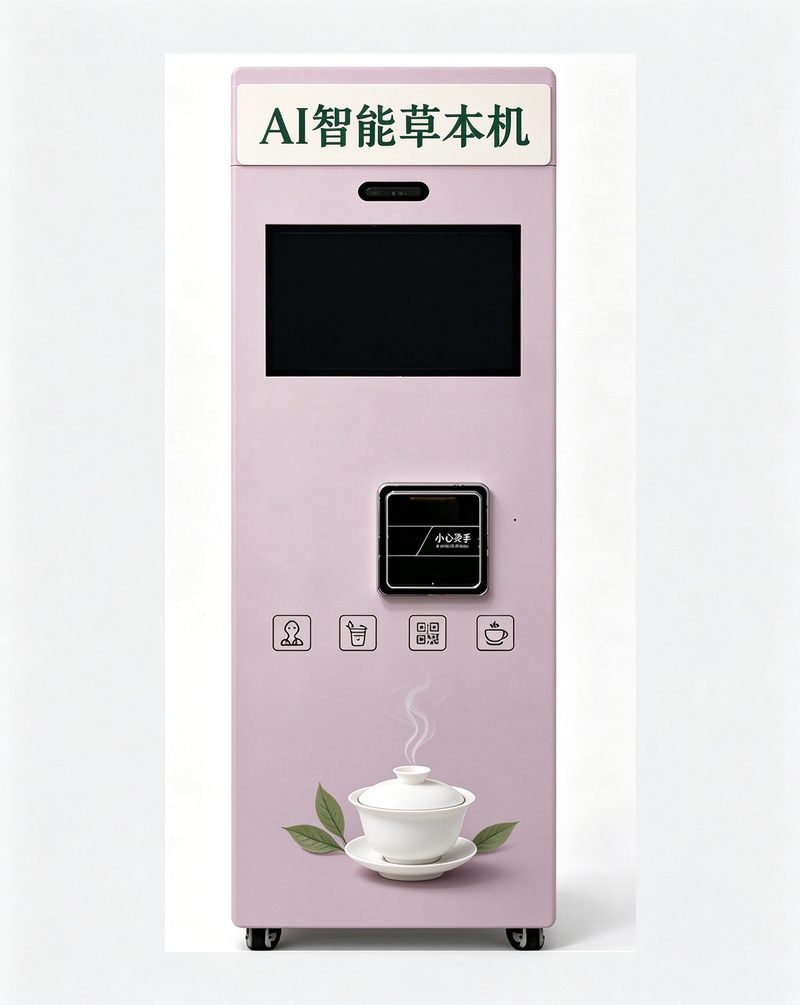
Lines on the Pilot Ledger
| Line | Cadence | Source of truth |
|---|---|---|
| Consumables | Monthly | Invoices against cups |
| Site fee or share | Monthly | The placement contract |
| Parts and filters | Quarterly average | Purchase log |
| Cleaning time | Weekly | Visit sheet |
| Revenue | Daily | Machine dashboard |
The Person Who Quietly Runs It
The same face, four weeks running. A delivery rider helmet in hand stops at a gym entrance, between the lockers and the studio door, collects the cup, checks the cap out of habit, and folds back into the corridor traffic, and the pattern has stopped being a coincidence.
No promotion produced that habit. A machine that is always there, always stocked and always the same cup did it, which is a quieter kind of marketing than anything with a budget.
A site is not won on the first cup; it is won on the fifteenth. The dashboard records it as one line; the day's curve bends up almost imperceptibly.
Water That Changes in Summer
Water is not a constant. Summer supply, a different treatment plant, or a building's own softener can shift hardness enough to change how coffee tastes and how fast a filter clogs.
Test hardness when the season turns, not only at commissioning, and move the filter schedule to follow the reading. A taste complaint in July is often a water report from May.
The Invoice That Arrives Late
Payment terms decide how many sites a small operator can carry. A thirty-day term on a site that pays in sixty is not a paperwork problem; it is a loan the operator is making without interest.
Agree the date, the method and the penalty before the machine is installed, and put all three in the placement terms. Chasing an invoice is the most expensive hour in the month because it produces nothing.
Moving a Machine Three Metres
A move of three metres sounds trivial and costs a day. It needs a power check at the new spot, a floor check, a network check, and a re-commissioning; then the first week at the new position runs on novelty again.
That is why placement deserves the argument it gets. The cheapest move is the one settled in a walkthrough with a measuring tape, before the cabinet is bolted down and the coffee is loaded.
Refunds Without an Argument
The rule matters less than its consistency. A refund policy applied the same way every time ends the conversation in twenty seconds; one applied by judgement invites negotiation at the machine.
Write the rule where staff and customers can both see it, and give staff the authority to apply it without escalation. A refund argued about costs more in attention than the drink costs in money.
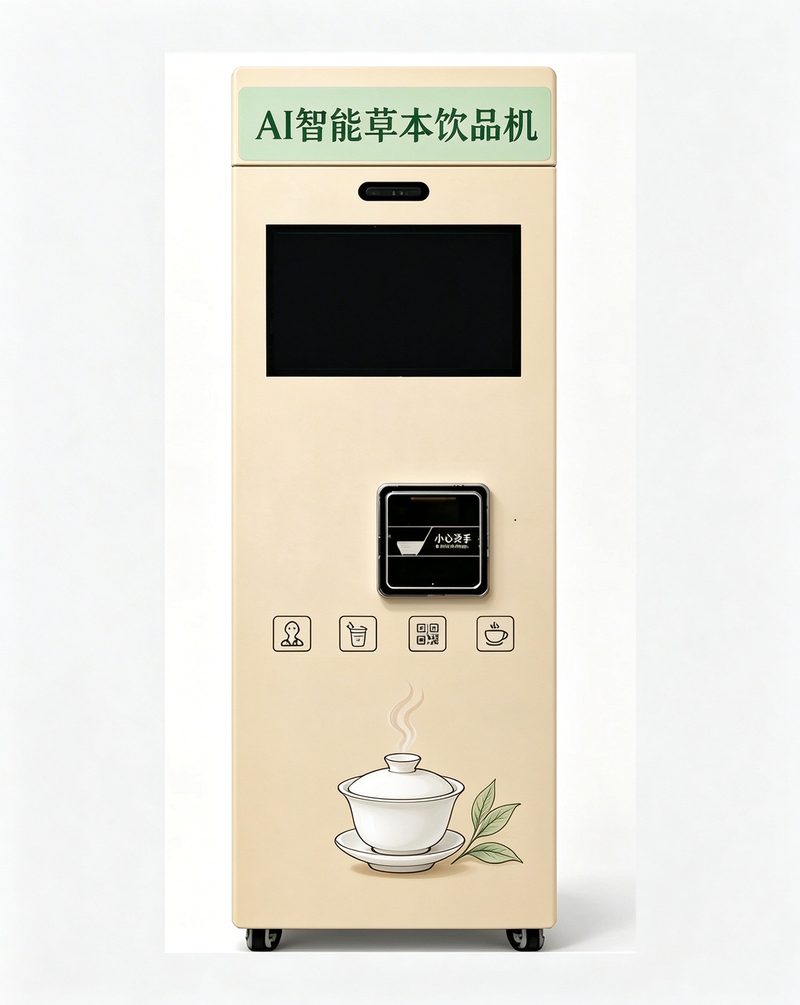
What Gets Wiped, and When
The cleaning that matters is not the deep clean; it is the ninety seconds between customers - a wiped tray, a cleared cup chute, a lid bin emptied before it looks full. A cabinet cleaned once a week reads as dirty by Thursday.
Write the routine on the inside of the door in four lines, and stock the cloth where the person standing there can reach it. Cleaning routines fail for lack of a cloth far more often than for lack of willingness.
Cleaning Contractors and Shared Space
In most buildings the floor around the cabinet is cleaned by someone who has never been told the machine exists. Their cloth stops at the cabinet's edge, and the edge is where the spills live.
Ten minutes with the cleaning supervisor solves more hygiene complaints than any specification. Write the machine into their round, and leave a contact for the day the bin overflows.
An Informal Caretaker
The same face, four weeks running. A wholesaler tallying receipts on a crate stops at a library reading-room vestibule, collects the cup, checks the cap out of habit, and folds back into the corridor traffic, and the pattern has stopped being a coincidence.
No promotion produced that habit. A machine that is always there, always stocked and always the same cup did it, which is a quieter kind of marketing than anything with a budget.
A site is not won on the first cup; it is won on the fifteenth. By the time the queue reforms, the machine is already serving the next regular.
Scaling From One Machine to a Fleet
Fleet decisions copy the pilot's habits: same ledger, same cadence, same cleaning sheet - multiplied. The second machine is easier than the first precisely because the routine already exists.
Insurance and Liability in Plain Terms
Ask three questions before signing: whose policy covers the cabinet against damage, whose covers a customer who spills a hot drink, and what the host's own insurer requires in writing. Most answers arrive within a week if asked early.
Because an automatic herbal tea vending machine holds no cash, the theft conversation is shorter than it once was - the till is a database. The liability conversation stays, and it is settled by one page rather than by goodwill.
Hiring for the Route
Route work rewards a specific temperament: someone who notices a full bin, a leaning cup stack and a screen with a fingerprint on it without being told to look. It is not a skill that shows up on a CV.
Hire on a trial morning with two sites and watch what gets cleaned without prompting. The person who wipes the shelf before restocking it will save more money over a year than the one who restocks fastest.
Presenting the Machine to Management
Track payback per machine from day one: revenue, capsule cost, terminal fees, rent share, and time. The 3-8 months range is real, but only the per-machine ledger shows which end of the range a site lives on.
Fleets that know their per-machine reality reinvest with confidence. Fleets that know only their average reinvest in hope.
Complaints Logged, Complaints Answered
Write every complaint down with a date and a cause, even the trivial ones. The list becomes a fault profile within a quarter, and a fault profile is what turns an apology into a fix.
Answer within the day even when the answer is that someone is looking into it. An automatic herbal tea vending machine that replies quickly is forgiven more often than one that is simply reliable.
When the Site Asks for Decaf
Decaf requests are a signal about the site, not about the menu. They usually arrive where the foot traffic includes pregnant customers, late shifts or older regulars - and where the machine currently offers nothing for them after three in the afternoon.
Decaf is also the cheapest way to test a new line: one capsule SKU, one shelf position, no new hardware. Watch its share for a month before assuming the site wants more variety rather than this specific thing.
The Year, Written Down
An unmanned retail business runs on a calendar most operators never write down: when cold drinks take over the menu, when campuses empty, when capsules need ordering to survive a holiday, when the busiest site needs its service moved off peak.
Writing it down turns a series of surprises into a plan. Four dates matter more than the rest: the start of the cold season, the end of term, the annual price review, and the month the first parts are due.
The calendar is also the honest answer to how a hundred sites get managed. They are not managed individually; the calendar and the exceptions are, and the exceptions should be visible in the ledger.
The Operator’s Blind Spot: Their Own Depot
Operators audit their sites and rarely audit their depot. Yet the depot decides restock accuracy, parts availability and how long a route takes - three things that show up as site problems.
Walk the depot once a quarter with three questions: can I find any part in under a minute, is the picking area clear of yesterday's load, and does the stock count match the system. Twenty minutes, and the answer is usually instructive.
The most common finding is a picking area that has become storage: pallets nobody has moved in months, obsolete packaging, a machine waiting for a decision. Each one slows the route by a few minutes a day, which is a whole site's margin over a year.
A Cup in the Middle of a Workday
7:40 on a weekday morning at the corridor outside a hospital waiting hall. The queue at the coffee counter downstairs is eight deep; the automatic herbal tea vending machine has three cups' worth of waiting in it, and no queue.
A night porter on his round waits the forty seconds scrolling a phone, pockets the receipt without looking at it, then goes back upstairs with the cup still in hand - a two-minute errand that a staffed counter would have turned into ten.
Speed is not a luxury feature here; it is the placement's whole economics. The sale lands in the ledger before the door swings shut.
A Placement, Three Months In
Three months into a placement at a hotel corridor by the lifts, the pattern has settled: late-evening demand, and nights outperform the average once the tour groups check in. The menu has been trimmed twice - the dashboard ranked the lines, the bottom three went, and nobody wrote in to mourn them.
The ledger and the walkthrough told different stories for a month. The ledger said demand; the walkthrough said a queue at the wrong hour. The walkthrough was right, and the fix cost nothing.
What a Working Site Looks Like
The pilot at a furniture mall staff corridor began as a favour to the site host and turned into the easiest arithmetic in the fleet: staff and contractor flow, the steady base load comes from the fit-out crews. When the second machine conversation started, the first month's ledger did most of the talking.
Nothing dramatic happened, which is the result worth reporting. The machine stayed stocked, the sheet got signed, the ledger matched the capsule invoices, and the host stopped mentioning it - the highest form of approval a placement gets.
The Ledger Tells the Story
The pilot at a wholesale market office row began as a favour to the site host and turned into the easiest arithmetic in the fleet: early-morning trade, the first two hours outsell the afternoon. When the second machine conversation started, the first month's ledger did most of the talking.
The first month argued with the second and lost. What looked like a slow start was a queue forming in the wrong half hour - once the route moved the restock earlier, the same site sold the same cups with half the empty rows.
Two Floors Down, Another Machine
The same face, four weeks running. A mother waiting out a clinic queue stops at the second-floor rest deck of a furniture expo, waits the forty seconds scrolling a phone, pockets the receipt without looking at it, and the pattern has stopped being a coincidence.
No promotion produced that habit. A machine that is always there, always stocked and always the same cup did it, which is a quieter kind of marketing than anything with a budget.
A site is not won on the first cup; it is won on the fifteenth. It is the fourth cup this corner has sold since the hour began.
Straight Answers to the Hard Questions
"Doesn't it need plumbing and rewiring?"
A household power line and two square metres cover it. Most placements are standing and selling the same week the site agreement is signed.
"Sounds like a headache to restock."
The restock route runs every two to three weeks per machine on normal demand, sized by the dashboard rather than by guesswork. One van, one morning, ten sites.
"A machine like that must cost a fortune up front."
Less than the rent deposit for the counter it replaces. The machine is one of eight cost lines, and the payback window runs three to eight months at a site with real foot traffic - the worksheet in this series breaks all eight out.
"Who fixes it when something goes wrong?"
The faults that actually happen - a clogged nozzle, a payment hiccup - are site-side fixes measured in minutes, which is why the parts kit lives in the service van. Anything rarer is a module swap under the service terms you negotiated.
The Week's Route, Written Down
- Monday - Week opens with paperwork - capsule order signed off, one site's access hours re-confirmed by message.
- Tuesday - Route day proper. A payment terminal at the second stop needed a restart; the log records the minute it happened.
- Wednesday - Midweek is the quiet read: office sites cool off, clinic and gym sites pick up the slack.
- Thursday - Reconciliation morning - cups sold against capsules issued, and the one discrepancy traced to a demo cup.
- Friday - Peak-site visit before the evening rush; contact card replaced at one unit.
- Saturday - Half-day route. The transit site runs hot, the office sites sleep, and the van gets its filters swapped.
- Sunday - Nothing scheduled. Alerts forwarded to the phone, one dashboard glance at noon, no wheels turned.
Twelve Months, Two Columns
| Month | What changes | What to do about it |
|---|---|---|
| Jan | New-year footfall is slow to wake; keep the hot lines deep and the route tight. | The quietest fortnight of the year - good for audits, bad for optimism. |
| Feb | The post-holiday dip is real; use it for deep cleans and filter changes. | Valentine week bends the coffee and milk-tea lines upward for ten days. |
| Mar | Quarter close: reconcile the ledger and prune the menu bottom. | Spring footfall returns with the weather; fruit lines start their climb. |
| Apr | A good month to trial one new capsule line per machine. | The first warm spell moves demand later in the day; watch the four o clock hour. |
| May | Holiday Mondays distort the weekly curve; compare like with like before judging a site. | Warm evenings extend the outdoor sites; chilled options earn their drawer space. |
| Jun | Exam and event season bends public-hall sites; stock ahead of the dates. | The first genuinely hot week tells you whether the chilled lines were sized right. |
| Jul | Holiday travel lifts transit and hotel sites for roughly three weeks. | Office sites go quiet and tourist corridors take over; move the route, not the menu. |
| Aug | Capsule storage gets hot in August; check the stockroom before the shelf life does. | Use the lull for operator training and contract renewals. |
| Sep | Order winter capsule volumes early - the ramp catches late buyers. | Back-to-routine week is the second new year; footfall snaps back fast. |
| Oct | The first cold snap is worth a route note: it usually front-loads the month by a week. | Autumn fairs and exhibitions fill the trade-hall sites. |
| Nov | Darkness at five changes the traffic shape; the evening hour gains, the lunch hour thins. | Cold-weather peak builds; popular lines deserve a double buffer. |
| Dec | Close the ledger, thank the hosts, and let the dashboard write the next order. | The last week is dead in offices and frantic in transit; stock for one and rest for the other. |
From the Operator's Notebook
The dashboard is honest, the host is honest, and both are approximate. the site walkthrough is what turns two approximations into a decision.
There is a version of this business that runs on charm, and it works until the charming person takes a holiday. the alert settings is the version that survives the holiday.
My first site taught me the arithmetic; my fourth taught me the restock cadence, which is the part that scales.
How It Stacks Up
| The old way | What it costs | Where it fails | What the machine changes |
|---|---|---|---|
| Staffed counter | Wages every month, plus training and turnover | Open only as long as someone stands there | A automatic herbal tea vending machine sells the hours the counter never could |
| Traditional coin vending | Coin floats, collection trips, notes that jam | Problems surface as complaints, weeks late | Payment and faults report themselves the same hour |
| Corner cafe | Rent, fit-out, staffed peaks | Fixed menu, fixed hours | Capsule range rotates at the restock visit, not by renovation |
| Model line | Core drinks | Best-fit venues | Service rhythm |
|---|---|---|---|
| Coffee machine | Espresso, americano, latte | Corporate floors, hotel corridors | Restock every 2-3 weeks |
| Milk tea machine | Milk tea and tea lines | Malls, adult-education campuses, staff rooms | Restock every 2-3 weeks |
| Juice machine | Fruit lines, chilled options | Sports halls, stations, parks | Restock every 2-3 weeks |
| Herbal tea machine | Herbal and traditional teas | Wellness centres, community halls | Restock every 2-3 weeks |
A Checklist Worth Printing
- Confirm footprint and power before signing the placement
- Decide who owns the cups before the first order
- Agree the refund rule before the first complaint, not after
- Write the power draw and floor load into the site agreement
- Set the filter calendar by measured water hardness
- Walk the cleaning sheet on every visit, not from memory
- Test payment on site before the host's opening hour
- Record the host's renewal date where the route can see it
- Log the first month's cup curve against the plan
- Agree restock cadence and access hours in writing
- Keep one seal and nozzle kit per ten machines
- Note the site's quiet hours before scheduling a service visit
The Takeaway
The plan that survives contact with a busy site is the one written with the operator, not merely for them.
Common questions
What happens during a power cut?
The machine resumes when power returns; in-flight vends are voided and refunded per the posted rule.
What does a cup actually cost?
Capsule plus cup plus a share of parts, power and cleaning - the per-cup figure is fixed with the supplier and held against invoices.
Can the menu change without a technician?
Yes - capsule menus change at the restock visit; nothing on the machine needs touching.
What if payment fails mid-vend?
The vend is voided, the ledger records it, and the posted refund rule handles the customer the same day.
Who cleans the machine?
The operator, on the visit sheet - cup area and panel each visit, drawer and tray weekly.
How often does someone need to visit?
On normal demand, the restock route lands every 2-3 weeks per machine, with dashboard alerts filling the gaps.
Is there a contract lock-in?
Placement terms vary by venue; trial periods with clear move-out terms are common and sensible.
When does the second machine make sense?
When the first one's ledger shows a stable curve and the restock route has spare capacity.
Machines this article refers to
Related reading
- A Buyer's Checklist for the Unmanned Herbal Tea Machine
- Running a Self-Service Herbal Brew Station Day to Day
- What an Office Herbal Tea Corner Really Costs Over Twelve Months
- A Restock Route for Each Smart Herbal Tea Machine
Summary
The pilot ledger for an automatic herbal tea vending machine has eight lines and one habit: write them down monthly, then let the curve argue for machine two.
Ask for the placement shortlist template before choosing sites.