Shelf Life and Rotation for Hotel Herbal Tea Station Stock
In one line: First order sizing, storage rules and rotation for hotel herbal tea station capsules, written for the depot shelf rather than the brochure.
Key facts: First order covers one full cycle plus a buffer; storage is dry, dated and FIFO; peaks get half a cycle extra.
Three Threads Run Through Every Purchase
Field notes from the hotel herbal tea station deployment read less like a launch story and more like a checklist. The same page serves an importer comparing suppliers and an operator fixing a slow week.
First Order Sizing
Size the first capsule order on the restock cadence, not on enthusiasm: every 2-3 weeks per machine under normal demand, plus one buffer cycle.
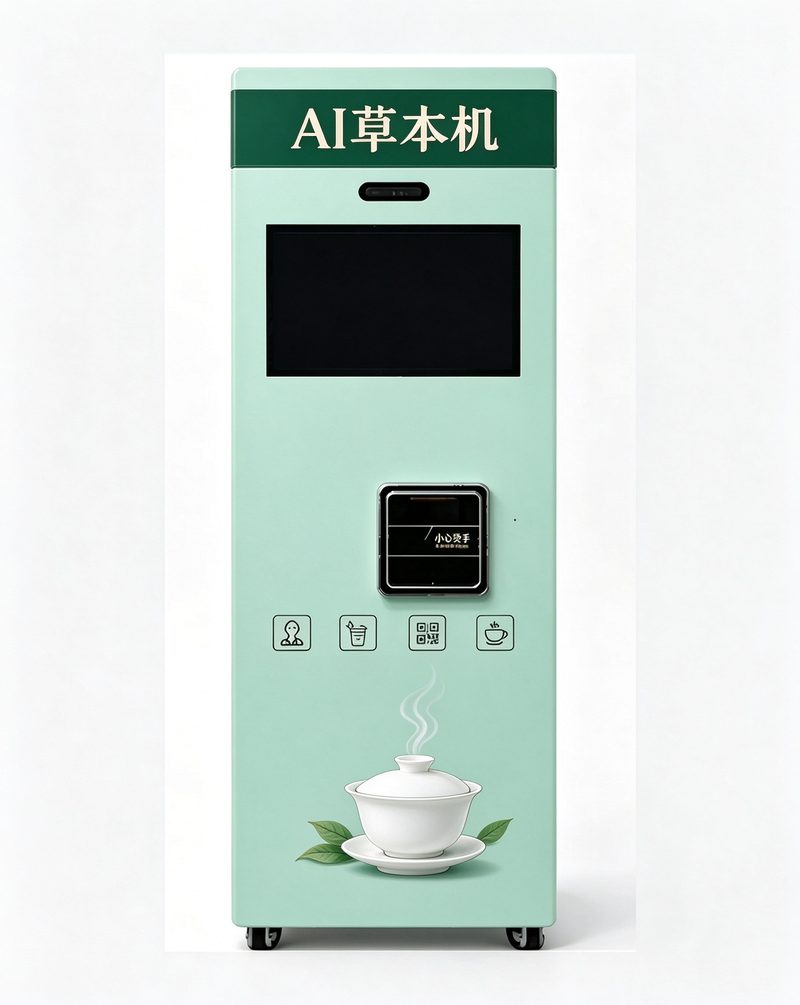
Supply Rules by Stage
| Stage | Rule | Buffer |
|---|---|---|
| First order | One full cycle plus buffer | One visit set |
| Storage | Dry, dated, off the floor | FIFO rotation |
| Peak season | Order earlier | Half a cycle extra |
| Multi-site | Split warehousing | Depot holds the reserve |
One Minute at the Machine
10:50, between meetings, the shelter by a suburban train platform. A wholesaler tallying receipts on a crate walks up to the hotel herbal tea station and takes two - one now, one for the colleague minding the desk. The cup arrives capped, a chrysanthemum herbal tea still warm enough to notice on the walk back.
It is the fourth cup this corner has sold since the hour began.
Multiply that minute by the hours the site is actually awake, and the placement argument writes itself: the machine is not competing with the cafe down the street - it is serving the traffic that never walks there.
Quality Checks on Every Batch
Keep a second supplier warm for the top three capsule types, even at small volume. A standing quarterly order keeps the relationship alive for the week the primary shipment stalls.
The test of a backup supplier is boring by design: one small order per quarter, checked for packaging and dates, then back on the shelf. Insurance that arrives only when bought regularly.
Water Hardness and Filter Calendars
Hard water is a slow tax: it shows up in service calls long before it shows up in the cup. A strip test on day one and a filter calendar tied to the site, not to the model, keeps the tax low.
Log every filter change with a date and the readings around it. Two visits later the pattern is obvious, and the calendar stops being a guess.
Rent, Revenue Share or Hybrid
Flat rent suits a proven site where the operator wants predictability. Revenue share suits an unproven one where the host believes in the traffic. Hybrid splits the difference and is the most common answer in high-rent corners.
Whichever model, insist on honest metering and a written method for counting. The disputes that end placements are almost never about the percentage; they are about whose number is real.
When the Menu Is Too Long
A menu of twenty lines sells like a menu of five, minus the stock risk and the decision time. The extra fifteen exist because somebody liked them in a meeting.
Cut to the two best sellers, one experiment and one line that protects the price ladder. Review monthly; a line nobody orders twice is a line nobody recommends.
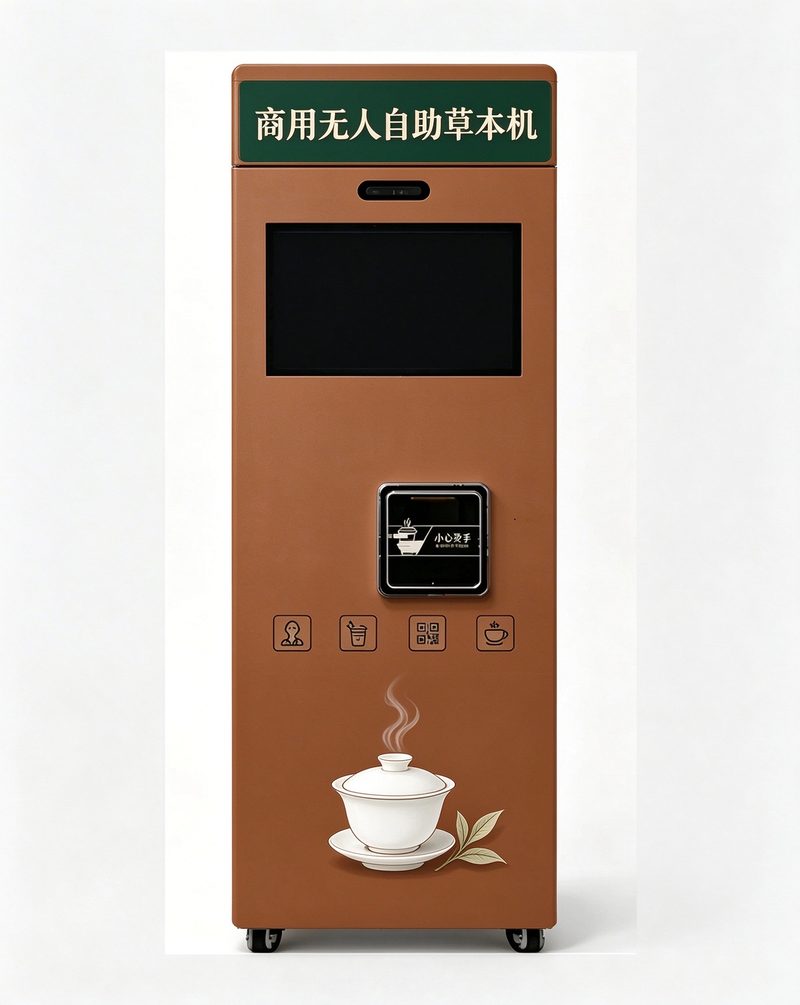
The Repair That Was a Training Problem
Half the service calls that look mechanical are somebody pressing the wrong thing. The machine reports a fault, the operator drives out, and the fix is a restart plus a sentence of instruction that was never given.
Before dispatching a technician, read the last ten minutes of the event log. If the same code appears after the same action three times, the fault is in the routine, not in the hardware - and the cheapest repair is a laminated card taped inside the door.
The Contract Review Nobody Does
Most placement contracts are signed once and read never. The clauses that matter six months later are access hours, the notice period, and who owns the cups.
A fifteen-minute review at signature, with the three clauses highlighted, prevents most of the arguments that end placements early.
The Hour Nobody Staffs
By ten at night a gym entrance, between the lockers and the studio door has emptied out, and the hotel herbal tea station is the only lit thing in the corridor. The site closes at six; the traffic does not.
A forklift driver with gloves tucked in his belt is the customer now - the one who cannot buy a chrysanthemum herbal tea anywhere else at this hour, and who will remember that tomorrow.
Anyone pricing a placement on daytime footfall alone is pricing half a site. By the time the queue reforms, the machine is already serving the next regular.
The Twenty-Minute Site Visit
A useful routine visit fits in twenty minutes: two to count stock, three to wipe, five to watch the machine work without intervening, and the rest to talk to whoever is standing nearby.
The five minutes of watching is the part operators skip. It is also the only way to see the queue form, the card fail, or the customer walk away at the price screen.
The Complaint Made in Public
A complaint at the machine is watched by everyone in the queue, which makes the response part of the product. Speed matters more than completeness: acknowledge, fix or refund, then explain.
Keep a single refund rule and apply it without negotiation in the moment. Arguments at the counter cost more than the drink, and the audience is deciding whether the machine is worth a second try.
Range Choices That Sell
Taste consistency is a supply question before it is a machine question. Capsule lots vary, so date every case on arrival, and run the oldest lot first at every restock without exception.
Customers read consistency as quality. The rotation habit is what they are actually tasting, whatever the flavour label says.
When Something Feels Off
Numbers on a dashboard describe; numbers in a ledger decide. Copy the week's cups, faults, and stockouts into the ledger by hand once a week, and the hand that writes them starts noticing what the screen scrolls past.
The noticing is the margin. It is where routes get shorter, rows get re-ordered, and machines get their next corner.
Shelf Life and Rotation
Capsules carry production dates; first in, first out with dated boxes keeps the menu honest and the drinks consistent.
Queues, Layout and the Second Cabinet
A single cabinet serves about three customers a minute at its best; beyond that the queue becomes the advertisement nobody wants. The second unit is justified by queue length, not by revenue alone.
Place the second cabinet beside the first rather than across the room. Two machines in one sightline share a queue, a restock trip and a fault log; two across a lobby share nothing but a landlord.
What a Contract Actually Buys
A purchase agreement buys a machine, a warranty and a delivery date. What keeps a site running for three years is none of those; it is the response time when something breaks in week sixty.
Read the service section before the price section. Ask what happens on a Friday evening, who pays for the callout, and how long a part takes to arrive. A cheap machine with a slow parts pipeline costs more per year than an expensive one with a local stock.
Then write the answers into the contract with names and hours attached. An agreement that says \"prompt support\" has bought nothing measurable, and the hotel herbal tea station operator will find that out at the worst possible moment.
Pricing When the Host Wants a Share
Revenue share sounds fairer than rent until the slow month arrives, when the host's percentage is fixed and the operator's margin is not. Rent is a known cost; a share is a partner who does not help in January.
The workable middle is a modest fixed rent with a share above a threshold, so the host benefits from a good site without the operator funding the bad months twice.
Whatever the structure, write the calculation down with an example month attached. Most disputes about shares are disputes about which revenue line the percentage applies to, and that is settled on paper or not at all.
The Corner Before and After
Six months ago the tea area of a light-industrial plant was dead floor space - a bin, a poster, and the occasional sigh from a site foreman counting change he no longer needs who wanted a chrysanthemum herbal tea and had nowhere to get it.
Now there is a hotel herbal tea station against that wall. The routine is unremarkable, which is the compliment: waits the forty seconds scrolling a phone, pockets the receipt without looking at it.
The dashboard records it as one line; the day's curve bends up almost imperceptibly.
A Placement, Three Months In
Three months into a placement at a furniture mall staff corridor, the pattern has settled: staff and contractor flow, and the steady base load comes from the fit-out crews. The menu has been trimmed twice - the dashboard ranked the lines, the bottom three went, and nobody wrote in to mourn them.
What the site taught was patience with a shape. Weeks one to three looked like a verdict; weeks four to twelve were the actual answer, and the answer was better than the verdict.
What a Working Site Looks Like
The pilot at a wholesale market office row began as a favour to the site host and turned into the easiest arithmetic in the fleet: early-morning trade, the first two hours outsell the afternoon. When the second machine conversation started, the first month's ledger did most of the talking.
The interesting number is not the peak day; it is the worst weekday, because that is the one the rent has to survive. In this case the floor held, and a floor that holds is what lets an operator plan a second site.
The Ledger Tells the Story
Three months into a placement at a gym entrance corridor, the pattern has settled: class-timetable surges, and the evening class change is the golden window. The menu has been trimmed twice - the dashboard ranked the lines, the bottom three went, and nobody wrote in to mourn them.
Two decisions carried the quarter: the menu was cut from nine lines to six, and the restock moved from Friday to Wednesday. Neither was clever. Both came straight off the dashboard, and both showed up in the ledger within three weeks.
From the Service Route
The operator's van stops at a driving-school waiting shelter on a route that will cover six more machines before noon. The dashboard has already ranked the visit: stock fine, no faults, one line running low.
While the drawers are topped, two nurses sharing a ten-minute break wanders up; the sale happens between two tasks, takes two - one now, one for the colleague minding the desk.
This is what unattended means in practice - not absence, but attention aimed exactly where the data says. Nobody photographs it; the machine has simply become part of the floor plan.
Straight Answers to the Hard Questions
"What about hygiene inspections?"
A capsule system keeps the wet parts few and the routine short; the cleaning sheet and the service log are exactly what an inspector asks to see.
"A machine like that must cost a fortune up front."
Less than the rent deposit for the counter it replaces. The machine is one of eight cost lines, and the payback window runs three to eight months at a site with real foot traffic - the worksheet in this series breaks all eight out.
"Will people trust a drink made by a box?"
They trust the cup more than the counter when the cup is consistent. Capsule brewing means the tenth cup matches the first, and the cleaning sheet posted on the glass does more for confidence than any slogan.
"Can it really run unattended all day?"
That is the design brief: uptime, alerts and a route. The machine does the shift work; you do the arithmetic.
Seven Days, One Van, Seven Notes
- Monday - Dashboard review first: two sites ran hot over the weekend, so their rows go to the front of the van.
- Tuesday - The long run: four sites before ten, two after lunch, one drawer rotated while the kettle boiled.
- Wednesday - Halfway check on capsule depth; one line is running ahead of plan and earns a second row next visit.
- Thursday - Ledger exported and matched against capsule consumption; one gap investigated.
- Friday - Contact card refreshed at the lobby unit, and the host's new shift supervisor walked through the basics.
- Saturday - Light route; the hotel machine's drawer rotated first in, first out.
- Sunday - Rest day, which is also a system: the alerts keep watch and the ledger keeps counting.
Twelve Months, Two Columns
| Month | What the traffic does | What the operator does |
|---|---|---|
| Jan | Budget season: the annual consumables figure gets signed this month. | The quietest fortnight of the year - good for audits, bad for optimism. |
| Feb | Valentine week bends the coffee and milk-tea lines upward for ten days. | Short month, long queues on the 14th; order the dessert-adjacent capsules early. |
| Mar | Quarter close: reconcile the ledger and prune the menu bottom. | Exam season starts on campuses; the library site stops being a quiet placement. |
| Apr | The first warm spell moves demand later in the day; watch the four o clock hour. | A good month to trial one new capsule line per machine. |
| May | Holiday Mondays distort the weekly curve; compare like with like before judging a site. | Mid-year route review: cut the weakest ten percent if the ledger says so. |
| Jun | The first genuinely hot week tells you whether the chilled lines were sized right. | Half-year service check: seals, nozzles, payment terminals. |
| Jul | Peak heat shifts demand; the curve moves later into the evening. | Office sites go quiet and tourist corridors take over; move the route, not the menu. |
| Aug | Use the lull for operator training and contract renewals. | Capsule storage gets hot in August; check the stockroom before the shelf life does. |
| Sep | Back-to-routine week is the second new year; footfall snaps back fast. | Order winter capsule volumes early - the ramp catches late buyers. |
| Oct | The hot-drink golden window opens; the curve steepens week on week. | The first cold snap is worth a route note: it usually front-loads the month by a week. |
| Nov | Year-end host meetings: renewals, shares, next-year placements. | Cold-weather peak builds; popular lines deserve a double buffer. |
| Dec | Festive peaks everywhere except the empty offices; plan the route around both. | The last week is dead in offices and frantic in transit; stock for one and rest for the other. |
Notes I Keep Rewriting
There is a version of this business that runs on charm, and it works until the charming person takes a holiday. the host conversation is the version that survives the holiday.
The machine never argues. It just records what you did about the restock cadence, and hands the record back at the end of the quarter.
I used to think the machine was the business. Four hundred route stops later, the honest version: the machine is the storefront, and the business is the alert settings around it.
How It Stacks Up
| The old way | What it costs | Where it fails | What the machine changes |
|---|---|---|---|
| Staffed counter | A rota to fill, holidays to cover, overtime at the edges | Shuts when the last person leaves | A hotel herbal tea station covers the closed hours without a rota |
| Traditional coin vending | Coin floats, collection trips, notes that jam | Problems surface as complaints, weeks late | Payment and faults report themselves the same hour |
| Corner cafe | A lease, a build-out, a barista roster | Menu changes mean reprinting and retraining | The menu changes when the capsule order does |
| Line | What it pours | Where it fits best | Restock rhythm |
|---|---|---|---|
| Coffee machine | Espresso, americano, latte | Offices, hotels, waiting areas | Restock every 2-3 weeks |
| Milk tea machine | Milk tea and tea lines | High streets, campuses, food courts | Restock every 2-3 weeks |
| Juice machine | Fruit lines, chilled options | Sports halls, stations, parks | Restock every 2-3 weeks |
| Herbal tea machine | Herbal and traditional teas | Wellness centres, community halls | Restock every 2-3 weeks |
A Checklist Worth Printing
- Decide who owns the cups before the first order
- Log the first month's cup curve against the plan
- Test the payment terminal on the site's own network
- Review alerts quarterly and remove the noisy ones
- Confirm the delivery lift's depth before the van leaves
- Record the host's renewal date where the route can see it
- Ask the host where hot drinks are usually bought nearby
- Walk the route in the order the traffic allows, not the map
- Photograph the installation for the machine folder
- Export the ledger monthly and match it to consumption
- Post the contact and refund rule at the machine
- Walk the cleaning sheet on every visit, not from memory
The Takeaway
Keep the worksheet alive after installation - it costs nothing to maintain and answers most debates.
Common questions
What happens during a power cut?
The machine resumes when power returns; in-flight vends are voided and refunded per the posted rule.
How are capsules shipped and stored?
Stackable dated boxes, dry storage off the floor, first-in-first-out rotation at the depot.
What happens if a flavour runs out?
The dashboard flags the line before it empties; the next route carries the buffer.
Rent or revenue share?
Flat rent suits steady sites, share suits unproven ones; hybrids split the difference.
When does the second machine make sense?
When the first one's ledger shows a stable curve and the restock route has spare capacity.
Can the menu change without a technician?
Yes - capsule menus change at the restock visit; nothing on the machine needs touching.
Who prepares the site?
The host clears the spot and power; the operator brings levelling, testing and the first capsule load.
Is there a contract lock-in?
Placement terms vary by venue; trial periods with clear move-out terms are common and sensible.
Machines this article refers to
Related reading
- Running a Smart Herbal Tea Machine Day to Day
- Watching Many Sites from One Screen: the Self-Service Herbal Tea Machine
- Ordering and Storage for Self-Service Herbal Brew Station Capsules
- One Capsule Herbal Tea Machine, One Month: Lines to Track
Summary
First order sizing, storage rules and rotation for hotel herbal tea station capsules, written for the depot shelf rather than the brochure.
Request the spec sheet and the TCO worksheet together - they read as one document.