Shelf Life and Rotation for Unmanned Herbal Tea Machine Stock
In one line: Capsules are the consumable backbone of an unmanned herbal tea machine - light, dated and stackable, which makes the supply chain a scheduling exercise.
Key facts: Multi-site fleets split warehousing - a depot holds the reserve so no single site waits on a shipment.
The Routine Decides the Numbers
Operators who run the unmanned herbal tea machine learn quickly which numbers move first when the site changes. Everything here is written to be checked on site rather than admired in a deck.
First Order Sizing
Size the first capsule order on the restock cadence, not on enthusiasm: every 2-3 weeks per machine under normal demand, plus one buffer cycle.
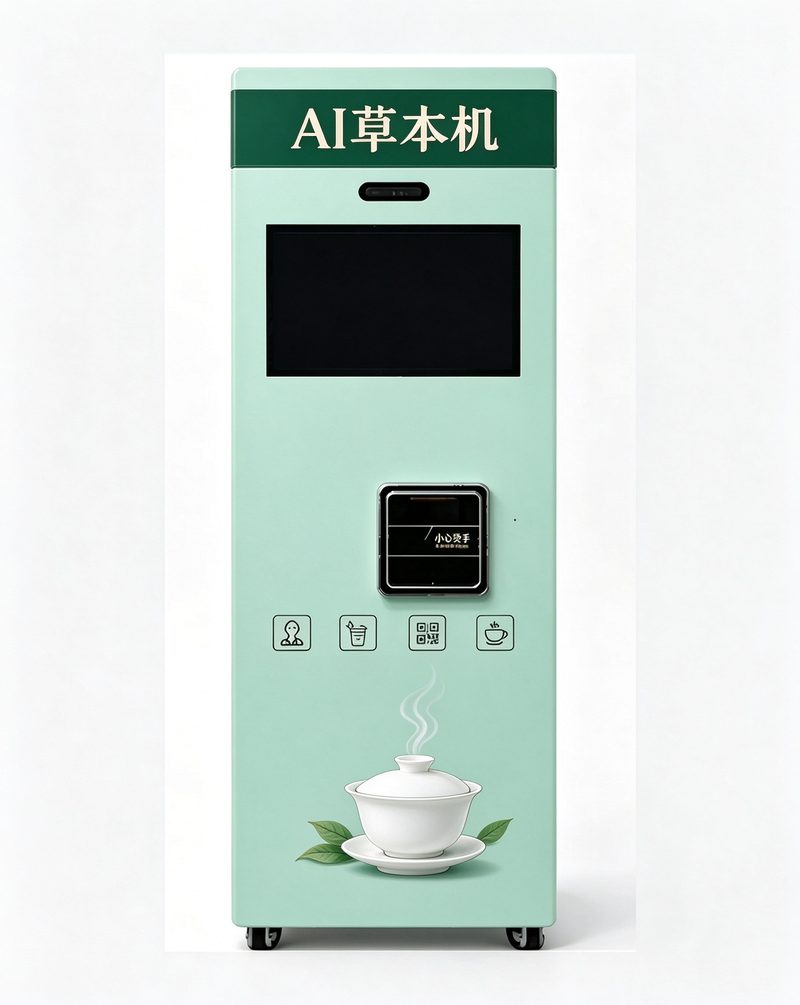
Supply Rules by Stage
| Stage | Rule | Buffer |
|---|---|---|
| First order | One full cycle plus buffer | One visit set |
| Storage | Dry, dated, off the floor | FIFO rotation |
| Peak season | Order earlier | Half a cycle extra |
| Multi-site | Split warehousing | Depot holds the reserve |
The Vend That Did Not Happen
The same face, four weeks running. A visiting auditor with a folder under one arm stops at a chess-and-cards room lobby, holds the cup with both hands and says nothing, which is its own review, and the pattern has stopped being a coincidence.
No promotion produced that habit. A machine that is always there, always stocked and always the same cup did it, which is a quieter kind of marketing than anything with a budget.
A site is not won on the first cup; it is won on the fifteenth. The restock note writes itself: the popular line is down one row.
The Sales Rep Who Knows the Route
A rep who has never restocked a machine will sell capacity that the route cannot serve. The result looks like a good deal and behaves like a permanent overtime bill.
Ask what a typical morning looks like, how many sites one person covers, and what happens when somebody is on leave. Answers that arrive without hesitation are worth more than any specification sheet.
Traffic Without Buyers
Some sites have thousands of people walk past and almost nobody buy. The reason is usually distance or decision cost: a machine behind a barrier, an unclear price, or a queue that makes stopping expensive.
Count how many people pass within three metres, not how many pass the building. The narrower number is the one that predicts cups, and it is usually a tenth of the figure the host quotes.
Cleaning Products That Damage the Machine
The wrong cleaner costs more than the right one. Solvent-based sprays cloud polycarbonate panels, chlorine left on stainless pits it, and a wet cloth around a socket turns a routine wipe into a service call.
Keep one approved cleaner per surface and write it on the inside of the door: food-contact areas, screens, and the outside shell are three different jobs. A cleaner who has to guess will use the strongest thing on the van.
The First Invoice Tells You the Truth
The first consumable invoice is the first honest document in the project. Every model before it was an assumption; the invoice is what the site actually consumed, including the lines nobody planned for.
Read it against the model line by line. If cups consumed are below modelled cups sold, there is waste or shrinkage; if consumables are above, the menu mix drifted. Both are cheaper to fix in month two than month twelve.
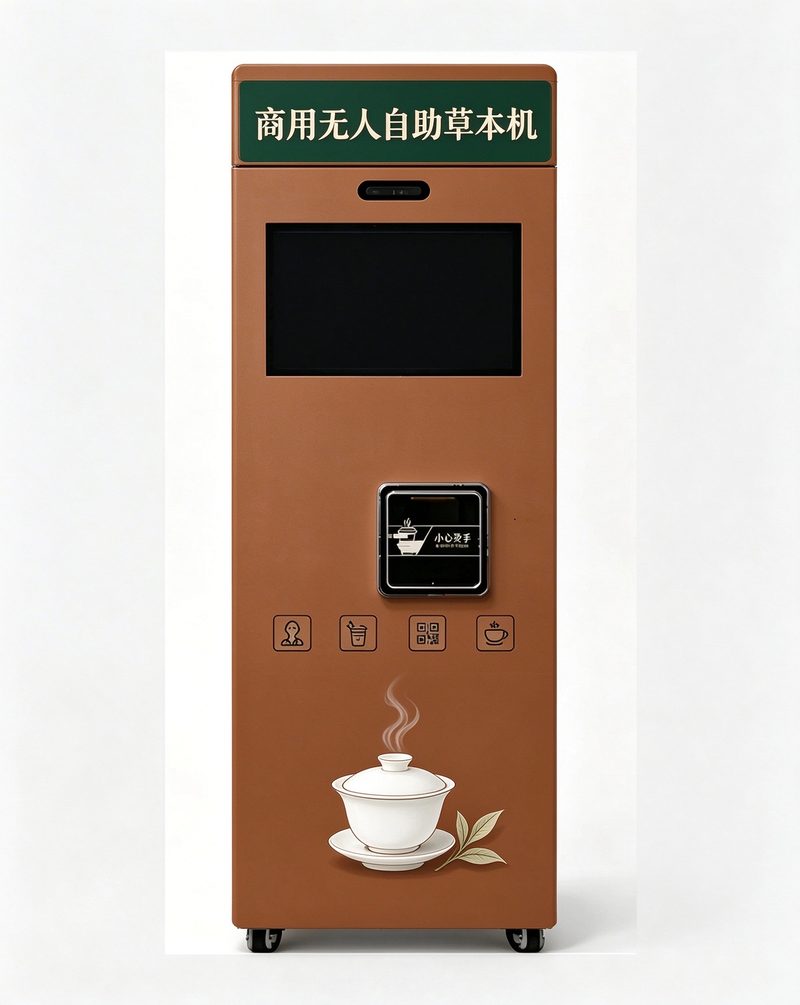
Quality Checks on Every Batch
Keep a second supplier warm for the top three capsule types, even at small volume. A standing quarterly order keeps the relationship alive for the week the primary shipment stalls.
The test of a backup supplier is boring by design: one small order per quarter, checked for packaging and dates, then back on the shelf. Insurance that arrives only when bought regularly.
A Site That Never Complains
Silence is not satisfaction. A site that never complains may be a site nobody uses, or one where the person who would complain has left and nobody replaced them.
Check it the way you check a noisy site: read the ledger by week, look at the last restock date, and ask one open question - what would you change. The answer is usually small and revealing.
The Corner Before and After
Six months ago the fitting-zone bench of a home improvement market was dead floor space - a bin, a poster, and the occasional sigh from a teacher marking papers between classes who wanted a chrysanthemum herbal tea and had nowhere to get it.
Now there is a unmanned herbal tea machine against that wall. The routine is unremarkable, which is the compliment: holds the cup with both hands and says nothing, which is its own review.
The restock note writes itself: the popular line is down one row.
Repair or Replace, Out of Warranty
Out of warranty the question stops being what broke and becomes what the machine is worth per month. A repair that costs two months of net is a decision; one that costs six is a replacement wearing a repair's clothes.
Compare the repair quote against the site's steady net, not against the machine's purchase price. The purchase price is sunk, and comparing to it is how operators keep a losing unit alive for two extra years.
Menu Rotation Without a Kitchen
A capsule menu rotates by the box, not by the recipe, which is why seasonal changes cost a restock decision instead of a renovation. Four lines out, four in, and the drawer tells you within a fortnight whether the read was right.
Keep one experimental row per machine. If it still sells after a month, it graduates; if it dies, the loss is a box, not a build.
Compliance and Site Etiquette
Quiet hours, tidy frontage and clear contact details keep hosts happy; none of it is complicated, all of it is noticed.
Keep the machine's paperwork - model, power, hygiene sheet - on file for venue audits.
The Two-Minute Morning Check
Most faults announce themselves before they stop the machine: a slow vend, a faint noise, a cup chute that sits slightly high. A two-minute check at opening catches a share of them while they are still cheap.
Keep it to four items and put them on a card: cup stack height, water or capsule level, a test vend, and a wipe of the outlet. Four items get done; a twelve-item checklist gets signed without being read.
The Contract Review Nobody Does
Most placement contracts are signed once and read never. The clauses that matter six months later are access hours, the notice period, and who owns the cups.
A fifteen-minute review at signature, with the three clauses highlighted, prevents most of the arguments that end placements early.
Cash, Card and the Queue Behind Them
Payment speed decides throughput more than brewing speed does. A tap that takes four seconds adds a person to the queue at the busiest hour.
Watch one full purchase at peak and count the taps. If the count is above four, the queue is being created by the interface, not by the coffee.
The Two Numbers That Decide a Fleet
A fleet is not judged by total revenue. It is judged by two numbers: net per stop, and stops per route day. Multiply them and you have the business; improve either and the business grows without adding machines.
Most operators watch revenue because it is easy. The two numbers above explain why a fleet can grow revenue for two years and still be worth less than when it started - the new sites added stops without adding net.
Review both quarterly. When net per stop falls, the answer is usually a menu or a share problem; when stops per day falls, it is a routing problem. Different fixes, and they are easy to confuse under a single revenue chart.
What a Placement Is Actually Worth
A placement is not valued by its revenue; it is valued by the net it produces per visit. Two sites with identical sales can be worth very differently once route time and share are counted.
That is why operators who grow by adding far sites often shrink in profit while growing in revenue. The right unit of account is monthly net per stop, and it should be reviewed every quarter, because routes drift as sites are added.
When a portfolio is sold, the buyer is not paying for machines. They are paying for a set of sites whose net per stop is documented and repeatable - which is why the ledger matters more than the fleet list.
The Person Who Quietly Runs It
The same face, four weeks running. A teacher marking papers between classes stops at a chess-and-cards room lobby, taps the screen twice, picks the same drink as always, and is walking away before the cup is full, and the pattern has stopped being a coincidence.
No promotion produced that habit. A machine that is always there, always stocked and always the same cup did it, which is a quieter kind of marketing than anything with a budget.
A site is not won on the first cup; it is won on the fifteenth. The dashboard records it as one line; the day's curve bends up almost imperceptibly.
A Placement, Three Months In
The pilot at a gym entrance corridor began as a favour to the site host and turned into the easiest arithmetic in the fleet: class-timetable surges, the evening class change is the golden window. When the second machine conversation started, the first month's ledger did most of the talking.
What made the site work was unglamorous: a cabinet in sight of a window, a restock on the day the building was quiet, and a host who knew exactly who to call.
What a Working Site Looks Like
The pilot at a logistics warehouse rest area began as a favour to the site host and turned into the easiest arithmetic in the fleet: shift-change traffic, the morning peak carries the day. When the second machine conversation started, the first month's ledger did most of the talking.
The first month argued with the second and lost. What looked like a slow start was a queue forming in the wrong half hour - once the route moved the restock earlier, the same site sold the same cups with half the empty rows.
The Ledger Tells the Story
The pilot at a wholesale market office row began as a favour to the site host and turned into the easiest arithmetic in the fleet: early-morning trade, the first two hours outsell the afternoon. When the second machine conversation started, the first month's ledger did most of the talking.
The ledger and the walkthrough told different stories for a month. The ledger said demand; the walkthrough said a queue at the wrong hour. The walkthrough was right, and the fix cost nothing.
The Regular Nobody Recruited
The same face, four weeks running. A warehouse clerk racing a timer stops at a night-school corridor, holds the cup with both hands and says nothing, which is its own review, and the pattern has stopped being a coincidence.
No promotion produced that habit. A machine that is always there, always stocked and always the same cup did it, which is a quieter kind of marketing than anything with a budget.
A site is not won on the first cup; it is won on the fifteenth. It is the fourth cup this corner has sold since the hour began.
Straight Answers to the Hard Questions
"Doesn't it need plumbing and rewiring?"
A household power line and two square metres cover it. Most placements are standing and selling the same week the site agreement is signed.
"We tried a vending machine years ago and it was a disaster."
The difference is the telemetry. Stock, faults and sales report themselves now, so a machine that quietly fails gets noticed the same hour - not the following month.
"Sounds like a headache to restock."
The restock route runs every two to three weeks per machine on normal demand, sized by the dashboard rather than by guesswork. One van, one morning, ten sites.
"A machine like that must cost a fortune up front."
Less than the rent deposit for the counter it replaces. The machine is one of eight cost lines, and the payback window runs three to eight months at a site with real foot traffic - the worksheet in this series breaks all eight out.
The Week's Route, Written Down
- Monday - Route planned from the weekend's dashboard; the week's capsule order confirmed.
- Tuesday - The long run: four sites before ten, two after lunch, one drawer rotated while the kettle boiled.
- Wednesday - Midweek is the quiet read: office sites cool off, clinic and gym sites pick up the slack.
- Thursday - Ledger exported and matched against capsule consumption; one gap investigated.
- Friday - Contact card refreshed at the lobby unit, and the host's new shift supervisor walked through the basics.
- Saturday - Half-day route. The transit site runs hot, the office sites sleep, and the van gets its filters swapped.
- Sunday - Silent day by design - alerts on, phone on, van parked.
Twelve Months, Two Columns
| Month | Traffic pattern | Route decision |
|---|---|---|
| Jan | Budget season: the annual consumables figure gets signed this month. | New-year footfall is slow to wake; keep the hot lines deep and the route tight. |
| Feb | Valentine week bends the coffee and milk-tea lines upward for ten days. | The post-holiday dip is real; use it for deep cleans and filter changes. |
| Mar | Exam season starts on campuses; the library site stops being a quiet placement. | Spring footfall returns with the weather; fruit lines start their climb. |
| Apr | Rain weeks teach you which sites have indoor dwell; note them for the record. | A good month to trial one new capsule line per machine. |
| May | Warm evenings extend the outdoor sites; chilled options earn their drawer space. | Holiday Mondays distort the weekly curve; compare like with like before judging a site. |
| Jun | Half-year service check: seals, nozzles, payment terminals. | Exam and event season bends public-hall sites; stock ahead of the dates. |
| Jul | Peak heat shifts demand; the curve moves later into the evening. | Holiday travel lifts transit and hotel sites for roughly three weeks. |
| Aug | Capsule storage gets hot in August; check the stockroom before the shelf life does. | Use the lull for operator training and contract renewals. |
| Sep | Back-to-routine week is the second new year; footfall snaps back fast. | Order winter capsule volumes early - the ramp catches late buyers. |
| Oct | The hot-drink golden window opens; the curve steepens week on week. | The first cold snap is worth a route note: it usually front-loads the month by a week. |
| Nov | Darkness at five changes the traffic shape; the evening hour gains, the lunch hour thins. | Cold-weather peak builds; popular lines deserve a double buffer. |
| Dec | Close the ledger, thank the hosts, and let the dashboard write the next order. | Festive peaks everywhere except the empty offices; plan the route around both. |
From the Operator's Notebook
I used to think the machine was the business. Four hundred route stops later, the honest version: the machine is the storefront, and the business is the first-month readings around it.
If I could send one paragraph back to my first order, it would be this - the cleaning sheet is not a purchase, it is a schedule, and the schedule is written in the ledger whether you look at it or not.
Every operator I respect has the same boring habit: they write the week down. the host conversation is where the writing pays for itself.
How It Stacks Up
| The old way | What it costs | Where it fails | What the machine changes |
|---|---|---|---|
| Staffed counter | A rota to fill, holidays to cover, overtime at the edges | Shuts when the last person leaves | A unmanned herbal tea machine covers the closed hours without a rota |
| Traditional coin vending | Coin floats, collection trips, notes that jam | Problems surface as complaints, weeks late | Payment and faults report themselves the same hour |
| Corner cafe | A lease, a build-out, a barista roster | Menu changes mean reprinting and retraining | The menu changes when the capsule order does |
| Line | What it pours | Where it fits best | Restock rhythm |
|---|---|---|---|
| Coffee machine | Espresso, americano, latte | Offices, hotels, waiting areas | Restock every 2-3 weeks |
| Milk tea machine | Milk tea and tea lines | High streets, campuses, food courts | Restock every 2-3 weeks |
| Juice machine | Fruit lines, chilled options | Sports halls, stations, parks | Restock every 2-3 weeks |
| Herbal tea machine | Herbal and traditional teas | Clinics, wellness floors, night sites | Restock every 2-3 weeks |
A Checklist Worth Printing
- Measure the walk from the door to the cabinet before delivery
- Ask the host where hot drinks are usually bought nearby
- Agree restock cadence and access hours in writing
- Put the fault codes in plain words on the inside door
- Test the payment terminal on the site's own network
- Export the ledger monthly and match it to consumption
- Set a two-week buffer at the depot, not at the site
- Test payment on site before the host's opening hour
- Note the site's quiet hours before scheduling a service visit
- Note the host's shift pattern so restocks miss the rush
- Photograph the installation for the machine folder
- Write the power draw and floor load into the site agreement
The Takeaway
Keep the worksheet alive after installation - it costs nothing to maintain and answers most debates.
Common questions
What happens during a power cut?
The machine resumes when power returns; in-flight vends are voided and refunded per the posted rule.
Who prepares the site?
The host clears the spot and power; the operator brings levelling, testing and the first capsule load.
What is the usual payback window?
The planning band is 3-8 months, set mainly by site quality and the local price of a cup.
Is there a contract lock-in?
Placement terms vary by venue; trial periods with clear move-out terms are common and sensible.
When does the second machine make sense?
When the first one's ledger shows a stable curve and the restock route has spare capacity.
How often do filters change?
By litres, not by date: the interval is set from measured hardness and logged on the sheet.
How are capsules shipped and stored?
Stackable dated boxes, dry storage off the floor, first-in-first-out rotation at the depot.
What if payment fails mid-vend?
The vend is voided, the ledger records it, and the posted refund rule handles the customer the same day.
Related machines
Related reading
- The Weekly Routine Around a Self-Service Herbal Tea Machine
- Water Quality and the Commercial Herbal Drink Dispenser
- Menu Rotation on the Traditional Tea Vending Machine
- Negotiating the Spot for a Capsule Herbal Tea Machine
Summary
Capsules are the consumable backbone of an unmanned herbal tea machine - light, dated and stackable, which makes the supply chain a scheduling exercise.
Book a commissioning slot only after the checklist above is signed off.