Cleaning Standards for the Commercial Herbal Drink Dispenser
In one line: Cleanliness sells the next cup as much as the last one; this page turns that idea into a one-page sheet. Nothing assumes a large fleet.
Key facts: Cup area and nozzle wiped on every visit, drip tray weekly, deep clean per calendar - a sheet, not a debate.
From Quote to First Cup
The commercial herbal drink dispenser project starts with a site and ends with a rhythm nobody wrote down at the start. Treat the checklist items as questions to answer in writing, not as advice to agree with.
A Cleaning Sheet That Gets Used
- Cup area and nozzle - every visit
- Touch panel - every visit
- Drip tray and drawer - weekly
- Deep clean - on the filter calendar
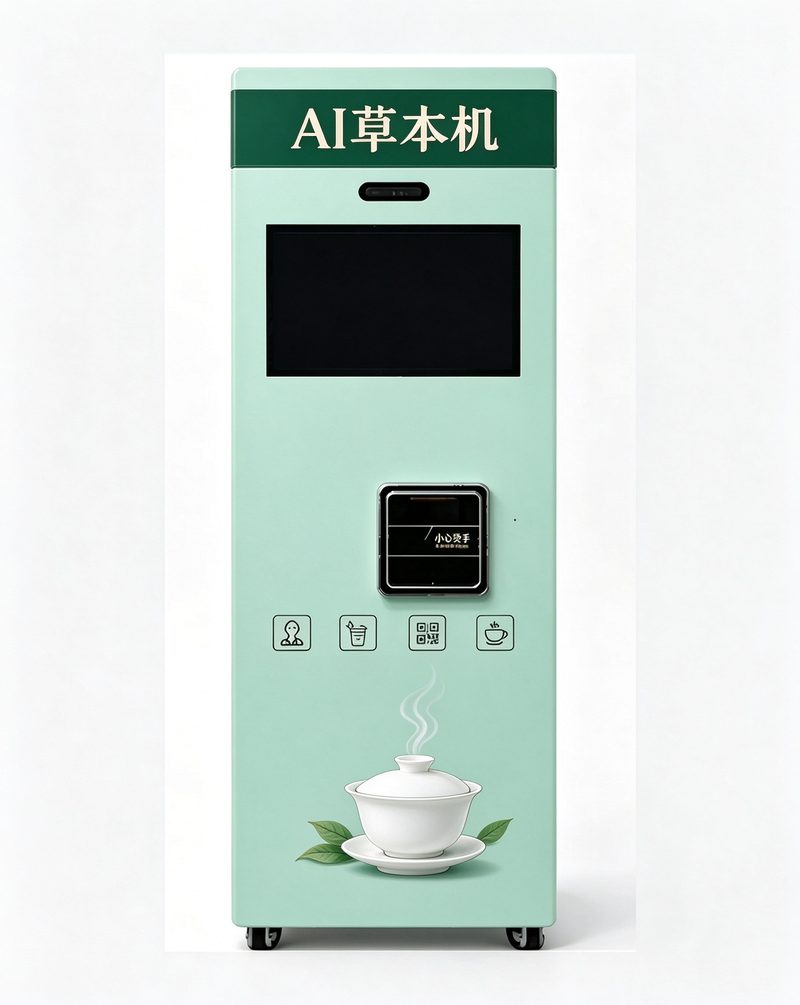
Cleaning Cadence by Part
| Part | Cadence | Tool |
|---|---|---|
| Cup area and nozzle | Every visit | Food-safe wipe |
| Touch panel | Every visit | Microfibre cloth |
| Drip tray, drawer | Weekly | Wash and dry |
| Lines and interior | Per calendar | Deep clean kit |
The Corner Before and After
Six months ago a night-school corridor was dead floor space - a bin, a poster, and the occasional sigh from a warehouse clerk racing a timer who wanted a chrysanthemum herbal tea and had nowhere to get it.
Now there is a commercial herbal drink dispenser against that wall. The routine is unremarkable, which is the compliment: taps the screen twice, picks the same drink as always, and is walking away before the cup is full.
The site host walks past without looking up - the highest compliment a placement gets.
Cleaning Between Visits
Visible cleanliness sells cups invisibly. A fingerprint-free pickup area and a drip tray that never overflows tell everyone passing that the commercial herbal drink dispenser is cared for, before a single button is pressed.
The opposite also compounds. One sticky afternoon, photographed and shared, costs more trust than a month of spotless mornings earns back.
Daily Routine in Ten Minutes
The routine around a commercial herbal drink dispenser is short by design: a glance at the dashboard, a quick wipe of the cup table, and a stock note if the level looks off.
- Check sales and stock on the dashboard before leaving the depot
- Wipe cup area and touch panel during each visit
- Log any failed vend so patterns show up early
Choosing the First Site
The first site teaches the operator the business, so it should be chosen for learning speed rather than for size: close enough to visit weekly, forgiving enough to survive mistakes, busy enough to produce data.
A site twenty minutes away with modest traffic beats a landmark site two hours away, because the first one can be watched. Watching is what turns a placement into a method.
Hygiene Records That Hold Up
Write the schedule as a checklist with initials and dates, and leave a copy at the site. Sites with a signed sheet get visited on time; sites with a verbal promise get visited on memory.
The sheet also answers the venue manager's first question — who touched this machine and when — before it is asked. That answer, given calmly, keeps placements renewed year after year.
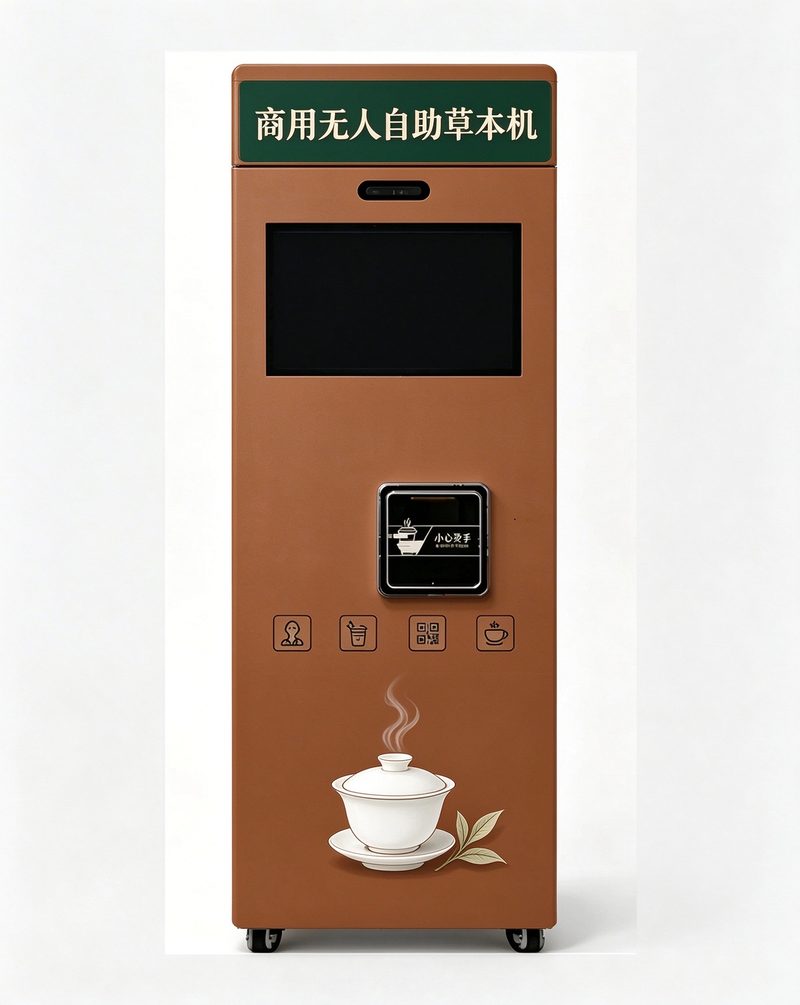
Hygiene Points Inspectors Look For
Visible cleanliness sells the next cup as much as the last one: a smudged panel or a stained tray reads as neglect long before it becomes a fault.
What the Screen Says About Privacy
A screen that asks for a phone number before pouring a drink tells customers what the machine is really for. Most will tap past it; some will remember it.
Collect only what a loyalty scheme needs to function, say in one line what it is used for, and make the skip button as prominent as the accept button. That is the whole of the policy most sites need.
The Hour Nobody Staffs
By ten at night the back corner of a convenience store has emptied out, and the commercial herbal drink dispenser is the only lit thing in the corridor. The site closes at six; the traffic does not.
A night porter on his round is the customer now - the one who cannot buy a chrysanthemum herbal tea anywhere else at this hour, and who will remember that tomorrow.
Anyone pricing a placement on daytime footfall alone is pricing half a site. The sale lands in the ledger before the door swings shut.
Compliance and Site Etiquette
Quiet hours, tidy frontage and clear contact details keep hosts happy; none of it is complicated, all of it is noticed.
Keep the machine's paperwork - model, power, hygiene sheet - on file for venue audits.
The Twenty-Minute Site Visit
A useful routine visit fits in twenty minutes: two to count stock, three to wipe, five to watch the machine work without intervening, and the rest to talk to whoever is standing nearby.
The five minutes of watching is the part operators skip. It is also the only way to see the queue form, the card fail, or the customer walk away at the price screen.
Stock Counts and the Shrinkage Nobody Names
Sales data and capsule consumption drift apart, and the gap has three causes: a mis-scan, a wasted capsule during a fault, and theft that nobody wants to write down.
Counting one line every visit - always the same line - turns the drift into a number within a quarter. Counting everything occasionally produces a bigger number that explains nothing.
Training the Person Who Will Run the Route
The machine ships with documentation; the route ships with habits. The operator who lasts is the one trained on three things before the first van leaves: reading the dashboard without hope or fear, walking the cleaning sheet in the same order every time, and logging anomalies the same day they appear.
Everything else can be learned on the road. What cannot be retrofitted is the discipline of writing things down - because a fleet that runs on memory runs until the memory gets sick, takes a holiday, or quits.
The training day costs a few hours; the habits it installs are the difference between a route that scales and a route that quietly caps the business at whichever number the founder can personally supervise.
The Quiet Cost of a Long Route
Route time is the cost that never appears on an invoice. A site forty minutes away from its nearest neighbour does not cost more to install; it costs more every single visit for as long as it lives.
Clustering is therefore a purchasing decision, not a scheduling one. Two sites on the same street are worth more than three spread across a city, even when the three look better on a map of pins.
The test is simple: if a site cannot be reached inside the same morning as another site, price it as if it were alone - because on the bad days, it will be.
Reading a Competitor from the Street
A cabinet visible from the pavement tells you most of what you need: how full the cup chute is, whether the screen is on, whether the price card is current, whether anyone wipes the tray. Ten minutes of looking beats a market report.
Visit twice, at different hours. A machine that looks abandoned at nine in the morning and busy at six in the evening is not failing; it is placed for a shift pattern you had not considered.
What you cannot see is the contract, and that is where the real difference lies. Assume the visible machine is the best-case version of a business you would have to run on worse terms.
What the Site Sells at 23:40
By ten at night a hotel lobby beside the lift bank has emptied out, and the commercial herbal drink dispenser is the only lit thing in the corridor. The site closes at six; the traffic does not.
A forklift driver with gloves tucked in his belt is the customer now - the one who cannot buy a chrysanthemum herbal tea anywhere else at this hour, and who will remember that tomorrow.
Anyone pricing a placement on daytime footfall alone is pricing half a site. By the time the queue reforms, the machine is already serving the next regular.
A Placement, Three Months In
Three months into a placement at a wholesale market office row, the pattern has settled: early-morning trade, and the first two hours outsell the afternoon. The menu has been trimmed twice - the dashboard ranked the lines, the bottom three went, and nobody wrote in to mourn them.
No single number makes the case; the shape does. Cups per week climb through the ramp, plateau where the site's rhythm settles, and the menu mix flattens the seasonal dips. When the host asks what it would take to add a second unit, the answer is a copy of the first one's ledger.
What a Working Site Looks Like
Three months into a placement at a logistics warehouse rest area, the pattern has settled: shift-change traffic, and the morning peak carries the day. The menu has been trimmed twice - the dashboard ranked the lines, the bottom three went, and nobody wrote in to mourn them.
The first month argued with the second and lost. What looked like a slow start was a queue forming in the wrong half hour - once the route moved the restock earlier, the same site sold the same cups with half the empty rows.
The Ledger Tells the Story
Three months into a placement at a hotel corridor by the lifts, the pattern has settled: late-evening demand, and nights outperform the average once the tour groups check in. The menu has been trimmed twice - the dashboard ranked the lines, the bottom three went, and nobody wrote in to mourn them.
What the site taught was patience with a shape. Weeks one to three looked like a verdict; weeks four to twelve were the actual answer, and the answer was better than the verdict.
The Shift Between Shifts
By ten at night a community clinic corridor by the pharmacy window has emptied out, and the commercial herbal drink dispenser is the only lit thing in the corridor. The site closes at six; the traffic does not.
A gym regular towel over the shoulder is the customer now - the one who cannot buy a chrysanthemum herbal tea anywhere else at this hour, and who will remember that tomorrow.
Anyone pricing a placement on daytime footfall alone is pricing half a site. The dashboard records it as one line; the day's curve bends up almost imperceptibly.
Straight Answers to the Hard Questions
"Sounds like a headache to restock."
The restock route runs every two to three weeks per machine on normal demand, sized by the dashboard rather than by guesswork. One van, one morning, ten sites.
"What about hygiene inspections?"
A capsule system keeps the wet parts few and the routine short; the cleaning sheet and the service log are exactly what an inspector asks to see.
"We tried a vending machine years ago and it was a disaster."
The difference is the telemetry. Stock, faults and sales report themselves now, so a machine that quietly fails gets noticed the same hour - not the following month.
"Will people trust a drink made by a box?"
They trust the cup more than the counter when the cup is consistent. Capsule brewing means the tenth cup matches the first, and the cleaning sheet posted on the glass does more for confidence than any slogan.
Seven Days, One Van, Seven Notes
- Monday - Dashboard review first: two sites ran hot over the weekend, so their rows go to the front of the van.
- Tuesday - Route day proper. A payment terminal at the second stop needed a restart; the log records the minute it happened.
- Wednesday - Midweek is the quiet read: office sites cool off, clinic and gym sites pick up the slack.
- Thursday - Ledger exported and matched against capsule consumption; one gap investigated.
- Friday - Peak-site visit before the evening rush; contact card replaced at one unit.
- Saturday - Weekend shift: fewer sites, more cleaning. Two drip trays, one filter, and a machine that looks new again.
- Sunday - Rest day, which is also a system: the alerts keep watch and the ledger keeps counting.
Twelve Months, Two Columns
| Month | What the traffic does | What the operator does |
|---|---|---|
| Jan | Budget season: the annual consumables figure gets signed this month. | New-year footfall is slow to wake; keep the hot lines deep and the route tight. |
| Feb | Short month, long queues on the 14th; order the dessert-adjacent capsules early. | Valentine week bends the coffee and milk-tea lines upward for ten days. |
| Mar | Exam season starts on campuses; the library site stops being a quiet placement. | Spring footfall returns with the weather; fruit lines start their climb. |
| Apr | Rain weeks teach you which sites have indoor dwell; note them for the record. | A good month to trial one new capsule line per machine. |
| May | Warm evenings extend the outdoor sites; chilled options earn their drawer space. | Holiday Mondays distort the weekly curve; compare like with like before judging a site. |
| Jun | Half-year service check: seals, nozzles, payment terminals. | The first genuinely hot week tells you whether the chilled lines were sized right. |
| Jul | Holiday travel lifts transit and hotel sites for roughly three weeks. | Office sites go quiet and tourist corridors take over; move the route, not the menu. |
| Aug | Capsule storage gets hot in August; check the stockroom before the shelf life does. | Use the lull for operator training and contract renewals. |
| Sep | Order winter capsule volumes early - the ramp catches late buyers. | Back-to-routine week is the second new year; footfall snaps back fast. |
| Oct | Autumn fairs and exhibitions fill the trade-hall sites. | The first cold snap is worth a route note: it usually front-loads the month by a week. |
| Nov | Year-end host meetings: renewals, shares, next-year placements. | Darkness at five changes the traffic shape; the evening hour gains, the lunch hour thins. |
| Dec | The last week is dead in offices and frantic in transit; stock for one and rest for the other. | Festive peaks everywhere except the empty offices; plan the route around both. |
Notes I Keep Rewriting
If I could send one paragraph back to my first order, it would be this - the restock cadence is not a purchase, it is a schedule, and the schedule is written in the ledger whether you look at it or not.
I used to think the machine was the business. Four hundred route stops later, the honest version: the machine is the storefront, and the business is the site walkthrough around it.
The machine never argues. It just records what you did about the ledger discipline, and hands the record back at the end of the quarter.
How It Stacks Up
| The old way | What it costs | Where it fails | What the machine changes |
|---|---|---|---|
| Staffed counter | Wages every month, plus training and turnover | Open only as long as someone stands there | A commercial herbal drink dispenser sells the hours the counter never could |
| Traditional coin vending | Coin floats, collection trips, notes that jam | Problems surface as complaints, weeks late | Payment and faults report themselves the same hour |
| Corner cafe | A lease, a build-out, a barista roster | Menu changes mean reprinting and retraining | The menu changes when the capsule order does |
| Model line | Core drinks | Best-fit venues | Service rhythm |
|---|---|---|---|
| Coffee machine | Espresso, americano, latte | Corporate floors, hotel corridors | Restock every 2-3 weeks |
| Milk tea machine | Milk tea and tea lines | High streets, campuses, food courts | Restock every 2-3 weeks |
| Juice machine | Fruit lines, chilled options | Gyms, cinemas, family venues | Restock every 2-3 weeks |
| Herbal tea machine | Herbal and traditional teas | Hospitals, tea houses, late shifts | Restock every 2-3 weeks |
A Checklist Worth Printing
- Agree the refund rule before the first complaint, not after
- Export the ledger monthly and match it to consumption
- Record the host's renewal date where the route can see it
- Confirm the delivery lift's depth before the van leaves
- Test the payment terminal on the site's own network
- Keep one seal and nozzle kit per ten machines
- Put the fault codes in plain words on the inside door
- Walk the cleaning sheet on every visit, not from memory
- Verify the capsule order lead time in weeks, not promises
- Set the filter calendar by measured water hardness
- Agree in writing who pays for power and consumables
- Confirm footprint and power before signing the placement
The Takeaway
The plan that survives contact with a busy site is the one written with the operator, not merely for them.
Common questions
What if payment fails mid-vend?
The vend is voided, the ledger records it, and the posted refund rule handles the customer the same day.
Who cleans the machine?
The operator, on the visit sheet - cup area and panel each visit, drawer and tray weekly.
Is there a contract lock-in?
Placement terms vary by venue; trial periods with clear move-out terms are common and sensible.
Who prepares the site?
The host clears the spot and power; the operator brings levelling, testing and the first capsule load.
What happens if a flavour runs out?
The dashboard flags the line before it empties; the next route carries the buffer.
What is the usual payback window?
The planning band is 3-8 months, set mainly by site quality and the local price of a cup.
What happens during a power cut?
The machine resumes when power returns; in-flight vends are voided and refunded per the posted rule.
What spare parts should I stock?
Seals and nozzles first, a spare payment terminal, and the fuses that solve site-side faults.
Related reading
- Cleaning Standards for the Office Herbal Tea Corner
- Budgeting a Commercial Herbal Drink Dispenser Without Surprises
- Where a Smart Herbal Tea Machine Earns Its Keep
- 24/7 Herbal Tea Kiosk FAQ: What Buyers Ask First
Summary
Cleanliness sells the next cup as much as the last one; this page turns that idea into a one-page sheet. Nothing assumes a large fleet.
Ask for the placement shortlist template before choosing sites.