Payment Setup for a 24/7 Herbal Tea Kiosk
In one line: Payment setup for a 24/7 herbal tea kiosk is three decisions: method, offline handling and who refunds a failed vend.
Key facts: QR scan-to-pay with a per-order reference; failed vends void and log; offline sales queue locally and sync on reconnect.
The Routine Decides the Numbers
Importers carrying the 24/7 herbal tea kiosk line learn which spare parts move and which collect dust. Read it as a worksheet: the useful parts are the ones you can copy into your own file.
Cashless First, Cash Optional
QR scan-to-pay carries the standard flow; where venues ask for coins, a coin module keeps both worlds on one ledger.
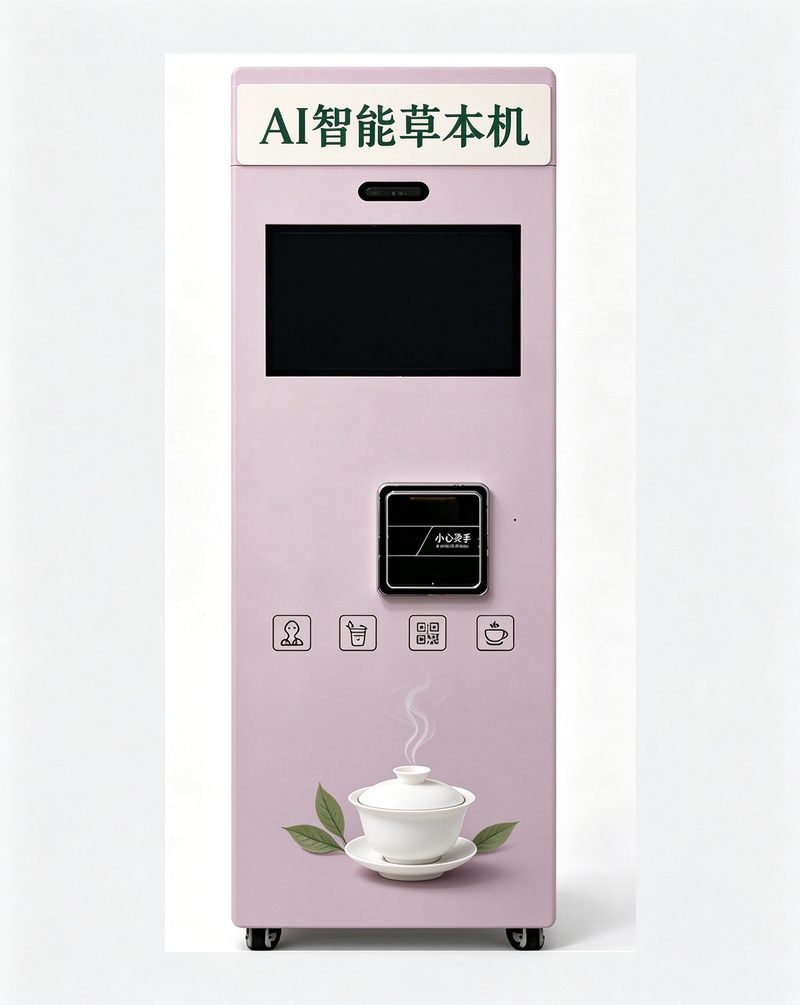
Payment Cases and Ownership
| Case | What happens | Owner |
|---|---|---|
| Normal sale | QR scan-to-pay, per-order reference | Machine ledger |
| Failed vend | Voided and logged | Operator refunds same day |
| Offline network | Sales queue locally | Sync on reconnect |
| Monthly close | Ledger export | Operator and host reconcile |
The Hour Nobody Staffs
By ten at night the driver room of a cold-chain depot has emptied out, and the 24/7 herbal tea kiosk is the only lit thing in the corridor. The site closes at six; the traffic does not.
A site foreman counting change he no longer needs is the customer now - the one who cannot buy a chrysanthemum herbal tea anywhere else at this hour, and who will remember that tomorrow.
Anyone pricing a placement on daytime footfall alone is pricing half a site. The site host walks past without looking up - the highest compliment a placement gets.
Firmware, Updates and Forced Reboots
A machine that updates itself during the lunch rush teaches a venue to distrust it. Update windows belong in the contract and in the schedule, not in the vendor's convenience.
Ask what survives a reboot: stock counts, price settings, the pending order. The answers separate a design that assumed a stable office from one that assumed a real building.
Cleaning Between Rounds
Capsule brewing keeps the wet parts few, which is why a 24/7 herbal tea kiosk stays serviceable with a wipe-down routine and a scheduled deep clean.
- Cup area, dispensing nozzle and touch panel on every visit
- Interior drawer and drip tray weekly
- Full deep clean when the filter calendar says so
The Site That Is Too Good
A site that outperforms its model is a risk disguised as a success. It usually means the host has not yet noticed how much money is moving through their lobby.
Expect the renegotiation and prepare for it: keep the ledger clean, report the numbers before they are asked for, and offer a revision tied to volume rather than waiting to be handed one. The operator who brings the spreadsheet keeps the site.
Failed Payments and the Refund Path
Every unattended machine produces failed payments, and the failure that damages trust is not the decline - it is the ambiguous one, where money leaves the account and no cup appears.
The fix is procedural: a visible number to call, a refund rule written down before the first complaint, and a weekly reconciliation that closes the loop. Operators who refund same-day keep customers; those who argue keep a complaint thread.
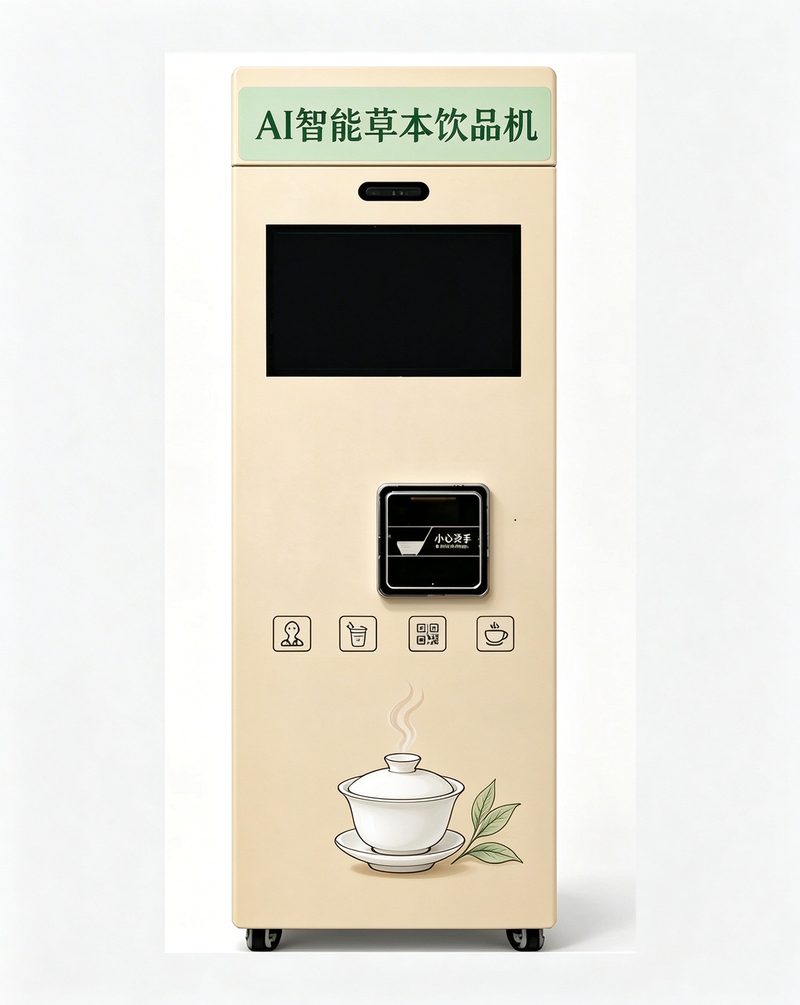
Three Numbers Worth Reporting Monthly
Cups sold, faults per hundred cups, and stockouts. Three numbers, one page, sent to whoever owns the site - it takes ten minutes and it changes the tone of every renewal conversation.
Hosts rarely ask for data, and almost always read it when it arrives. A page like that turns a machine in a corner into a service with a name attached.
Remote Monitoring Keeps Rounds Short
With 4G/WiFi connectivity the fleet reports stock, sales and faults on its own, so depot runs replace guesswork with routes.
Alerts are worth tuning: stock thresholds, offline events and vend failures cover the bulk of what used to be discovered by surprise.
The Regular Nobody Recruited
The same face, four weeks running. A security guard off the midnight shift stops at the reception annex of a driving range, takes two - one now, one for the colleague minding the desk, and the pattern has stopped being a coincidence.
No promotion produced that habit. A machine that is always there, always stocked and always the same cup did it, which is a quieter kind of marketing than anything with a budget.
A site is not won on the first cup; it is won on the fifteenth. The sale lands in the ledger before the door swings shut.
When Cash Still Matters
Offline fallback is part of the payment design, not an excuse for it. Know exactly what a 24/7 herbal tea kiosk does when the 4G/WiFi link drops — which sales queue for later sync, which fail outright, and how the screen explains it to a customer holding a phone.
Sites with a written fallback rehearse it once and never think about it again. Sites without one meet it on a busy Friday.
Cash, Card and the Queue Behind Them
Payment speed decides throughput more than brewing speed does. A tap that takes four seconds adds a person to the queue at the busiest hour.
Watch one full purchase at peak and count the taps. If the count is above four, the queue is being created by the interface, not by the coffee.
The Report Nobody Reads
A monthly report with fourteen charts gets opened once. A report with three lines gets read every month, and the three lines are the ones that change a decision: cups, net, and what broke.
Send it on the same date every month, in the same shape, with one sentence at the top saying what changed. Consistency is what turns a report into a habit, and habits are what make a host trust the operator.
Capsule Logistics in Practice
Capsules are the consumable backbone of a 24/7 herbal tea kiosk: light, stackable and dated, which makes them easy to batch and rotate.
Depot stock is sized on the restock cadence - every 2-3 weeks per machine under normal demand - and on a buffer for seasonal peaks.
End of Life: Resale, Refurbish, Scrap
Every machine ends somewhere. The residual value question belongs in the purchase decision, because a unit that can be moved and resold carries a different risk from one that cannot.
Three destinations: resale to a smaller operator, refurbishment for a second life on a cheaper site, or scrap by weight. Knowing which is realistic changes what payback period is honest.
The Second Machine Decision
A second machine at the same site is a different decision from the first. The first was about whether the site works; the second is about what the first one cannot do - a second temperature, a second menu, a queue that forms at nine and disappears by ten.
The test is not revenue doubling. It is whether the existing machine is at its ceiling at the hour that matters: if it is idle at eleven and blocked at nine, the site needs capacity, not another product line. If it is idle all day, a second machine only doubles the rent share.
Writing Down What the Contract Forgot
Placement contracts fail on the dull clauses. Who pays if the breaker trips at midnight? Who wipes the floor when a cup breaks on a holiday? Who gets the phone call when the machine plays up during the host's big event?
None of this needs lawyers on the first pass; it needs a half-page of plain sentences both sides initial. The act of writing them down surfaces the assumptions that would otherwise surface as disputes.
Operators with the cleanest contracts report the same discovery: hosts respect specificity. A document that says exactly who does what on a bad day reads as professionalism, not distrust - and it wins placements that charm cannot.
Reading a Competitor from the Street
A cabinet visible from the pavement tells you most of what you need: how full the cup chute is, whether the screen is on, whether the price card is current, whether anyone wipes the tray. Ten minutes of looking beats a market report.
Visit twice, at different hours. A machine that looks abandoned at nine in the morning and busy at six in the evening is not failing; it is placed for a shift pattern you had not considered.
What you cannot see is the contract, and that is where the real difference lies. Assume the visible machine is the best-case version of a business you would have to run on worse terms.
The Corner Before and After
Six months ago a driving-school waiting shelter was dead floor space - a bin, a poster, and the occasional sigh from a visiting auditor with a folder under one arm who wanted a chrysanthemum herbal tea and had nowhere to get it.
Now there is a 24/7 herbal tea kiosk against that wall. The routine is unremarkable, which is the compliment: collects the cup, checks the cap out of habit, and folds back into the corridor traffic.
Nobody photographs it; the machine has simply become part of the floor plan.
A Placement, Three Months In
Three months into a placement at a logistics warehouse rest area, the pattern has settled: shift-change traffic, and the morning peak carries the day. The menu has been trimmed twice - the dashboard ranked the lines, the bottom three went, and nobody wrote in to mourn them.
Two decisions carried the quarter: the menu was cut from nine lines to six, and the restock moved from Friday to Wednesday. Neither was clever. Both came straight off the dashboard, and both showed up in the ledger within three weeks.
What a Working Site Looks Like
The pilot at a hotel corridor by the lifts began as a favour to the site host and turned into the easiest arithmetic in the fleet: late-evening demand, nights outperform the average once the tour groups check in. When the second machine conversation started, the first month's ledger did most of the talking.
The first month argued with the second and lost. What looked like a slow start was a queue forming in the wrong half hour - once the route moved the restock earlier, the same site sold the same cups with half the empty rows.
The Ledger Tells the Story
Three months into a placement at an office park lobby, the pattern has settled: weekday morning peaks, and Fridays run light and Mondays run heavy, every week. The menu has been trimmed twice - the dashboard ranked the lines, the bottom three went, and nobody wrote in to mourn them.
What the site taught was patience with a shape. Weeks one to three looked like a verdict; weeks four to twelve were the actual answer, and the answer was better than the verdict.
One Customer, Four Weeks Straight
The same face, four weeks running. A saleswoman between two showroom appointments stops at the corridor outside a hospital waiting hall, taps the screen twice, picks the same drink as always, and is walking away before the cup is full, and the pattern has stopped being a coincidence.
No promotion produced that habit. A machine that is always there, always stocked and always the same cup did it, which is a quieter kind of marketing than anything with a budget.
A site is not won on the first cup; it is won on the fifteenth. Nobody photographs it; the machine has simply become part of the floor plan.
Straight Answers to the Hard Questions
"Doesn't it need plumbing and rewiring?"
A household power line and two square metres cover it. Most placements are standing and selling the same week the site agreement is signed.
"A machine like that must cost a fortune up front."
Less than the rent deposit for the counter it replaces. The machine is one of eight cost lines, and the payback window runs three to eight months at a site with real foot traffic - the worksheet in this series breaks all eight out.
"How do I know the numbers are real?"
Every order carries its own reference and exports monthly against capsule consumption. You reconcile a report, not a shoebox of receipts.
"What about hygiene inspections?"
A capsule system keeps the wet parts few and the routine short; the cleaning sheet and the service log are exactly what an inspector asks to see.
Seven Days, One Van, Seven Notes
- Monday - Week opens with paperwork - capsule order signed off, one site's access hours re-confirmed by message.
- Tuesday - Long route day - six machines, two top-ups flagged, one nozzle wiped twice.
- Wednesday - Midweek dip on the office sites; herbal line restocked at the clinic cluster.
- Thursday - Books day. The monthly figure gets compared to the site's own count, and the two agree within normal wastage.
- Friday - Contact card refreshed at the lobby unit, and the host's new shift supervisor walked through the basics.
- Saturday - Light route; the hotel machine's drawer rotated first in, first out.
- Sunday - Nothing scheduled. Alerts forwarded to the phone, one dashboard glance at noon, no wheels turned.
Twelve Months, Two Columns
| Month | What changes | What to do about it |
|---|---|---|
| Jan | New-year footfall is slow to wake; keep the hot lines deep and the route tight. | Budget season: the annual consumables figure gets signed this month. |
| Feb | The post-holiday dip is real; use it for deep cleans and filter changes. | Valentine week bends the coffee and milk-tea lines upward for ten days. |
| Mar | Quarter close: reconcile the ledger and prune the menu bottom. | Spring footfall returns with the weather; fruit lines start their climb. |
| Apr | A good month to trial one new capsule line per machine. | Rain weeks teach you which sites have indoor dwell; note them for the record. |
| May | Holiday Mondays distort the weekly curve; compare like with like before judging a site. | Warm evenings extend the outdoor sites; chilled options earn their drawer space. |
| Jun | The first genuinely hot week tells you whether the chilled lines were sized right. | Exam and event season bends public-hall sites; stock ahead of the dates. |
| Jul | Peak heat shifts demand; the curve moves later into the evening. | Office sites go quiet and tourist corridors take over; move the route, not the menu. |
| Aug | Use the lull for operator training and contract renewals. | The slowest office month; the tourist corridors carry the fleet instead. |
| Sep | Back-to-routine week is the second new year; footfall snaps back fast. | Order winter capsule volumes early - the ramp catches late buyers. |
| Oct | The first cold snap is worth a route note: it usually front-loads the month by a week. | The hot-drink golden window opens; the curve steepens week on week. |
| Nov | Cold-weather peak builds; popular lines deserve a double buffer. | Year-end host meetings: renewals, shares, next-year placements. |
| Dec | Festive peaks everywhere except the empty offices; plan the route around both. | The last week is dead in offices and frantic in transit; stock for one and rest for the other. |
Three Things the Route Taught Me
My first site taught me the arithmetic; my fourth taught me the site walkthrough, which is the part that scales.
The machine never argues. It just records what you did about the site walkthrough, and hands the record back at the end of the quarter.
The best placement advice I ever got fit on a napkin: the site walkthrough decides the curve, and the curve decides everything else.
How It Stacks Up
| The old way | What it costs | Where it fails | What the machine changes |
|---|---|---|---|
| Staffed counter | Wages every month, plus training and turnover | Open only as long as someone stands there | A 24/7 herbal tea kiosk sells the hours the counter never could |
| Traditional coin vending | Cash handling, change runs, slot jams | No telemetry; faults found by complaint | Every sale logged, every fault alerted |
| Corner cafe | Rent, fit-out, staffed peaks | Fixed menu, fixed hours | Capsule range rotates at the restock visit, not by renovation |
| Line | What it pours | Where it fits best | Restock rhythm |
|---|---|---|---|
| Coffee machine | Espresso, americano, latte | Office lobbies, clinics, showrooms | Restock every 2-3 weeks |
| Milk tea machine | Milk tea and tea lines | Malls, adult-education campuses, staff rooms | Restock every 2-3 weeks |
| Juice machine | Fruit lines, chilled options | Gyms, leisure, transit | Restock every 2-3 weeks |
| Herbal tea machine | Herbal and traditional teas | Hospitals, tea houses, late shifts | Restock every 2-3 weeks |
A Checklist Worth Printing
- Confirm footprint and power before signing the placement
- Export the ledger monthly and match it to consumption
- Log the first month's cup curve against the plan
- Review alerts quarterly and remove the noisy ones
- Test payment on site before the host's opening hour
- Decide who owns the cups before the first order
- Confirm the delivery lift's depth before the van leaves
- Agree in writing who pays for power and consumables
- Walk the route in the order the traffic allows, not the map
- Check signage faces the waiting area, not the wall
- Test the payment terminal on the site's own network
- Set the filter calendar by measured water hardness
The Takeaway
Keep the worksheet alive after installation - it costs nothing to maintain and answers most debates.
Common questions
What if payment fails mid-vend?
The vend is voided, the ledger records it, and the posted refund rule handles the customer the same day.
Who prepares the site?
The host clears the spot and power; the operator brings levelling, testing and the first capsule load.
How are capsules shipped and stored?
Stackable dated boxes, dry storage off the floor, first-in-first-out rotation at the depot.
What is the usual payback window?
The planning band is 3-8 months, set mainly by site quality and the local price of a cup.
How long does installation take?
On a prepared site, commissioning is typically finished in under an hour: position, power, network check and a run of test cups.
Is there a contract lock-in?
Placement terms vary by venue; trial periods with clear move-out terms are common and sensible.
What does a cup actually cost?
Capsule plus cup plus a share of parts, power and cleaning - the per-cup figure is fixed with the supplier and held against invoices.
What happens during a power cut?
The machine resumes when power returns; in-flight vends are voided and refunded per the posted rule.
Machines this article refers to
Related reading
- Cleaning Standards for the Automatic Herbal Tea Vending Machine
- How to Choose a Commercial Herbal Drink Dispenser for High-Traffic Venues
- Installing a Hotel Herbal Tea Station: Timeline and Checklist
- Water Quality and the Traditional Tea Vending Machine
Summary
Payment setup for a 24/7 herbal tea kiosk is three decisions: method, offline handling and who refunds a failed vend.
Book a commissioning slot only after the checklist above is signed off.