Settlement and Refunds on a Self-Service Fruit Drink Machine
In one line: Every sale on a self-service fruit drink machine carries its own reference, so settlement is a report - if the payment and refund rules were written down first.
Key facts: Reconciliation runs on the machine ledger, not memory - a monthly export settles every dispute before it starts.
Three Threads Run Through Every Purchase
The self-service fruit drink machine decision looks technical from outside and organisational from inside. Each section answers a question that tends to arrive at a specific point in the buying process.
Cashless First, Cash Optional
QR scan-to-pay carries the standard flow; where venues ask for coins, a coin module keeps both worlds on one ledger.
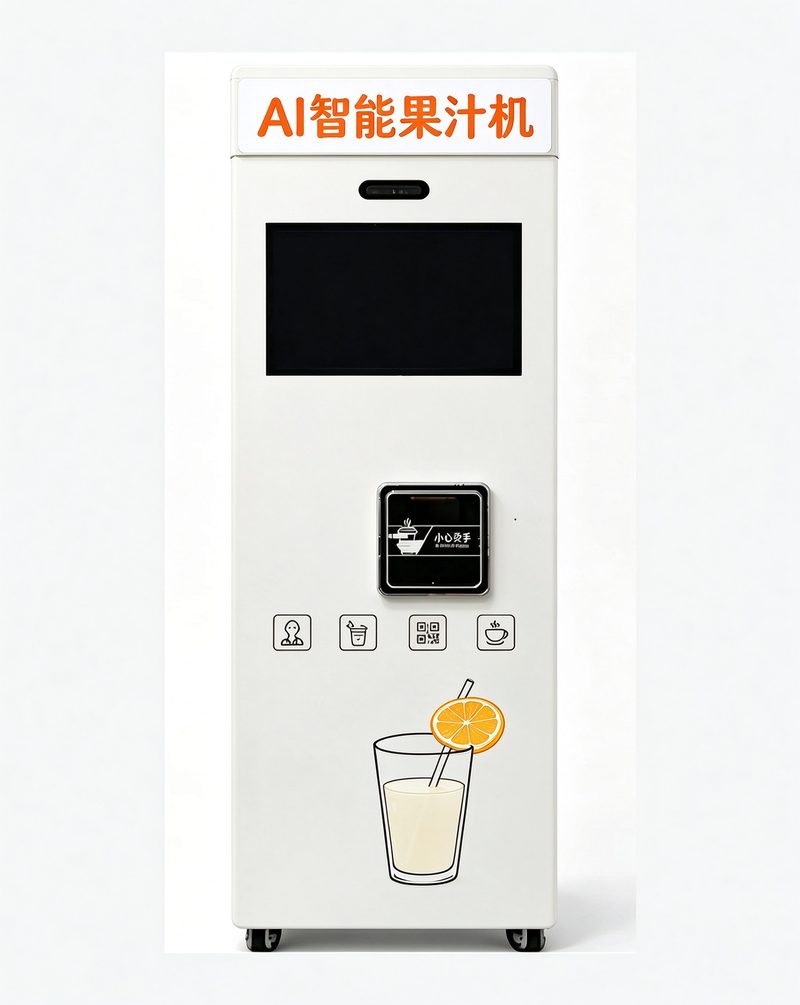
Payment Cases and Ownership
| Case | What happens | Owner |
|---|---|---|
| Normal sale | QR scan-to-pay, per-order reference | Machine ledger |
| Failed vend | Voided and logged | Operator refunds same day |
| Offline network | Sales queue locally | Sync on reconnect |
| Monthly close | Ledger export | Operator and host reconcile |
One Minute at the Machine
Just before the mid-shift whistle, a night-school corridor. A warehouse clerk racing a timer walks up to the self-service fruit drink machine and scans, hesitates over the menu for a second, then picks the new flavour the dashboard has been quietly promoting. The cup arrives capped, an orange juice still warm enough to notice on the walk back.
It is the fourth cup this corner has sold since the hour began.
Multiply that minute by the hours the site is actually awake, and the placement argument writes itself: the machine is not competing with the cafe down the street - it is serving the traffic that never walks there.
Hiring for the Route
Route work rewards a specific temperament: someone who notices a full bin, a leaning cup stack and a screen with a fingerprint on it without being told to look. It is not a skill that shows up on a CV.
Hire on a trial morning with two sites and watch what gets cleaned without prompting. The person who wipes the shelf before restocking it will save more money over a year than the one who restocks fastest.
Handling a Complaint in Front of Others
A complaint voiced at the machine is a performance with an audience, and the audience decides how much damage it does. Answering quietly and fixing it on the spot ends most of them.
The rule worth writing down: never argue about the money at the machine. Refund, then reconcile later. The queue remembers the argument far longer than the operator remembers the five euros.
Refund Path for Failed Vends
Failed vends are rare but loud. A posted contact and a same-day refund rule turn a complaint into a footnote.
Being Recognised as Staff
In a shared building, the person refilling a cabinet is read as either staff or stranger within about ten seconds, and the difference decides whether anyone reports a fault to them.
A lanyard, a name on the contact card, and a habit of greeting the front desk cost almost nothing. They turn three separate visits into a relationship the site can use.
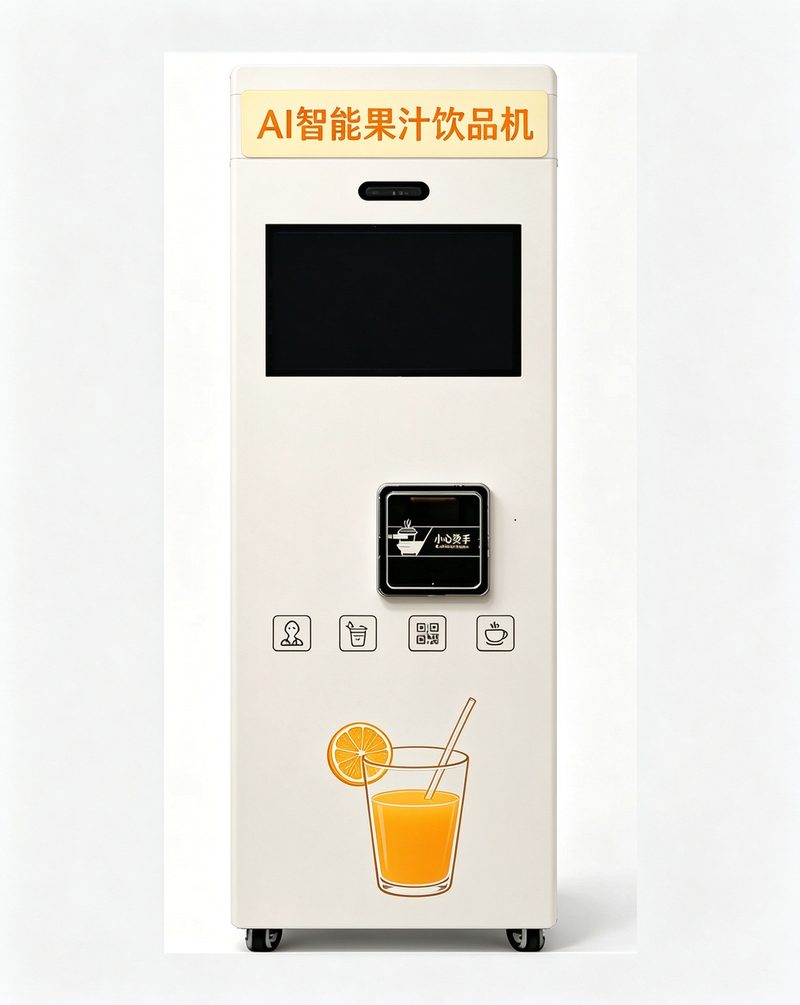
End of Life: Resale, Refurbish, Scrap
Every machine ends somewhere. The residual value question belongs in the purchase decision, because a unit that can be moved and resold carries a different risk from one that cannot.
Three destinations: resale to a smaller operator, refurbishment for a second life on a cheaper site, or scrap by weight. Knowing which is realistic changes what payback period is honest.
When the Site Restocks Itself
Handing restocking to the host's own staff trades route cost for control. It works when the host already runs a shift routine and fails when restocking becomes somebody's fourth job.
If you try it, keep the par levels in your system, not theirs, and audit monthly against the ledger. A site that restocks itself still needs a number that says whether it is being done.
The Regular Nobody Recruited
The same face, four weeks running. A wholesaler tallying receipts on a crate stops at a community clinic corridor by the pharmacy window, scans, hesitates over the menu for a second, then picks the new flavour the dashboard has been quietly promoting, and the pattern has stopped being a coincidence.
No promotion produced that habit. A machine that is always there, always stocked and always the same cup did it, which is a quieter kind of marketing than anything with a budget.
A site is not won on the first cup; it is won on the fifteenth. Nobody photographs it; the machine has simply become part of the floor plan.
Payment Flows in Practice
Settlement clarity starts with one rule: every refund has a reason code. Machine faults, double scans, and change disputes each get their own code, and the codes tell you which self-service fruit drink machine, which site, and which week needs attention.
Un-coded refunds look small daily and large quarterly. The code list is the cheapest audit tool on the market.
Accessibility Around a Standing Cabinet
A cabinet on a 2 square metres footprint still occupies a corridor. Leave the turning space, keep the screen at a reachable height, and make sure the pickup slot can be used from a seated position - three details that decide whether part of the audience can buy at all.
Ask the host about floor load and door widths before delivery, not after. The site that fits the tape measure on day one never becomes the expensive story later.
Two Prices, One Machine
Subsidised pricing for staff and full pricing for visitors is common and quietly complicated: it needs two payment paths, two sets of reporting and a rule for who counts as which.
Decide the rule before the hardware. A machine configured for one price and operated at two produces a ledger nobody can reconcile, and the host will notice before the operator does.
When Cash Still Matters
Offline fallback is part of the payment design, not an excuse for it. Know exactly what a self-service fruit drink machine does when the 4G/WiFi link drops — which sales queue for later sync, which fail outright, and how the screen explains it to a customer holding a phone.
Sites with a written fallback rehearse it once and never think about it again. Sites without one meet it on a busy Friday.
What the Screen Says About Privacy
A screen that asks for a phone number before pouring a drink tells customers what the machine is really for. Most will tap past it; some will remember it.
Collect only what a loyalty scheme needs to function, say in one line what it is used for, and make the skip button as prominent as the accept button. That is the whole of the policy most sites need.
Small Habits, Compounding Results
Every site teaches one lesson per month, whether or not anyone writes it down. The one-page site card is where lessons go to survive staff changes and holiday seasons.
A fleet with written memory improves yearly. A fleet with verbal memory starts each January from scratch.
When the Site Changes Hands
Hosts move on: a building changes manager, a canteen changes operator, a clinic changes owner. The machine stays, and the relationship that supported it resets to zero.
The operators who survive that reset keep three things current: a named contact with a phone number, a one-page summary of what the machine has done for the site, and a copy of the placement terms in the machine folder.
That page is worth more than any brochure. It converts a new manager's suspicion into a short conversation about numbers - and it usually takes fifteen minutes to write.
The Month the Machine Broke Twice
Two failures in one month is a pattern, not bad luck. The useful response is to write the timeline: what failed, what was replaced, how long the site waited, and what the site did while it waited.
The second failure usually shares a cause with the first - a power fault that damaged a board, a water filter that was never changed, a cup chute that jams in humidity. Replacing the part without the cause buys a third failure.
What the venue remembers is not the fault but the gap. A machine back within four hours reads as reliable; the same fault with a two-day wait reads as a supplier problem regardless of the cause.
The Minute That Pays the Rent
The tail of the lunch rush, the morning queue inside a produce wholesale gate. A delivery rider helmet in hand walks up to the self-service fruit drink machine and holds the cup with both hands and says nothing, which is its own review. The cup arrives capped, an orange juice still warm enough to notice on the walk back.
By the time the queue reforms, the machine is already serving the next regular.
Multiply that minute by the hours the site is actually awake, and the placement argument writes itself: the machine is not competing with the cafe down the street - it is serving the traffic that never walks there.
A Placement, Three Months In
The pilot at a wholesale market office row began as a favour to the site host and turned into the easiest arithmetic in the fleet: early-morning trade, the first two hours outsell the afternoon. When the second machine conversation started, the first month's ledger did most of the talking.
The ledger and the walkthrough told different stories for a month. The ledger said demand; the walkthrough said a queue at the wrong hour. The walkthrough was right, and the fix cost nothing.
What a Working Site Looks Like
The pilot at a gym entrance corridor began as a favour to the site host and turned into the easiest arithmetic in the fleet: class-timetable surges, the evening class change is the golden window. When the second machine conversation started, the first month's ledger did most of the talking.
Two decisions carried the quarter: the menu was cut from nine lines to six, and the restock moved from Friday to Wednesday. Neither was clever. Both came straight off the dashboard, and both showed up in the ledger within three weeks.
The Ledger Tells the Story
The pilot at a coach station waiting row began as a favour to the site host and turned into the easiest arithmetic in the fleet: departures-board waves, each delayed departure buys another round of cups. When the second machine conversation started, the first month's ledger did most of the talking.
Half the value came from what was removed: two slow lines, one noisy alert, and a promotion that discounted the only product everybody bought at full price anyway.
One Customer, Four Weeks Straight
The same face, four weeks running. A teacher marking papers between classes stops at the night queue area of a long-distance coach station, holds the cup with both hands and says nothing, which is its own review, and the pattern has stopped being a coincidence.
No promotion produced that habit. A machine that is always there, always stocked and always the same cup did it, which is a quieter kind of marketing than anything with a budget.
A site is not won on the first cup; it is won on the fifteenth. The sale lands in the ledger before the door swings shut.
Straight Answers to the Hard Questions
"How do I know the numbers are real?"
Every order carries its own reference and exports monthly against capsule consumption. You reconcile a report, not a shoebox of receipts.
"The shop next door already sells drinks."
A shop sells drinks when someone is behind the counter. The machine sells at seven in the morning, at eleven at night, and every minute the shutters are down - it is a different business, not a rival.
"A machine like that must cost a fortune up front."
Less than the rent deposit for the counter it replaces. The machine is one of eight cost lines, and the payback window runs three to eight months at a site with real foot traffic - the worksheet in this series breaks all eight out.
"Can it really run unattended all day?"
That is the design brief: uptime, alerts and a route. The machine does the shift work; you do the arithmetic.
The Week's Route, Written Down
- Monday - Route planned from the weekend's dashboard; the week's capsule order confirmed.
- Tuesday - Long route day - six machines, two top-ups flagged, one nozzle wiped twice.
- Wednesday - Halfway check on capsule depth; one line is running ahead of plan and earns a second row next visit.
- Thursday - Ledger exported and matched against capsule consumption; one gap investigated.
- Friday - The Friday visit happens before four, because after four the site is a queue and a machine that needs nothing.
- Saturday - Half-day route. The transit site runs hot, the office sites sleep, and the van gets its filters swapped.
- Sunday - Nothing scheduled. Alerts forwarded to the phone, one dashboard glance at noon, no wheels turned.
Twelve Months, Two Columns
| Month | Traffic pattern | Route decision |
|---|---|---|
| Jan | The quietest fortnight of the year - good for audits, bad for optimism. | New-year footfall is slow to wake; keep the hot lines deep and the route tight. |
| Feb | Short month, long queues on the 14th; order the dessert-adjacent capsules early. | Valentine week bends the coffee and milk-tea lines upward for ten days. |
| Mar | Exam season starts on campuses; the library site stops being a quiet placement. | Quarter close: reconcile the ledger and prune the menu bottom. |
| Apr | The first warm spell moves demand later in the day; watch the four o clock hour. | A good month to trial one new capsule line per machine. |
| May | Mid-year route review: cut the weakest ten percent if the ledger says so. | Warm evenings extend the outdoor sites; chilled options earn their drawer space. |
| Jun | Exam and event season bends public-hall sites; stock ahead of the dates. | The first genuinely hot week tells you whether the chilled lines were sized right. |
| Jul | Peak heat shifts demand; the curve moves later into the evening. | Office sites go quiet and tourist corridors take over; move the route, not the menu. |
| Aug | Use the lull for operator training and contract renewals. | The slowest office month; the tourist corridors carry the fleet instead. |
| Sep | Campus sites refill; the coffee line at eight in the morning comes back overnight. | Back-to-routine week is the second new year; footfall snaps back fast. |
| Oct | Autumn fairs and exhibitions fill the trade-hall sites. | The hot-drink golden window opens; the curve steepens week on week. |
| Nov | Darkness at five changes the traffic shape; the evening hour gains, the lunch hour thins. | Year-end host meetings: renewals, shares, next-year placements. |
| Dec | Festive peaks everywhere except the empty offices; plan the route around both. | The last week is dead in offices and frantic in transit; stock for one and rest for the other. |
From the Operator's Notebook
Every operator I respect has the same boring habit: they write the week down. the route order is where the writing pays for itself.
There is a version of this business that runs on charm, and it works until the charming person takes a holiday. the alert settings is the version that survives the holiday.
My first site taught me the arithmetic; my fourth taught me the cleaning sheet, which is the part that scales.
How It Stacks Up
| The old way | What it costs | Where it fails | What the machine changes |
|---|---|---|---|
| Staffed counter | Wages every month, plus training and turnover | Open only as long as someone stands there | A self-service fruit drink machine sells the hours the counter never could |
| Traditional coin vending | Cash handling, change runs, slot jams | No telemetry; faults found by complaint | Every sale logged, every fault alerted |
| Corner cafe | Rent, fit-out, staffed peaks | Fixed menu, fixed hours | Capsule range rotates at the restock visit, not by renovation |
| Model line | Core drinks | Best-fit venues | Service rhythm |
|---|---|---|---|
| Coffee machine | Espresso, americano, latte | Office lobbies, clinics, showrooms | Restock every 2-3 weeks |
| Milk tea machine | Milk tea and tea lines | Malls, adult-education campuses, staff rooms | Restock every 2-3 weeks |
| Juice machine | Fruit lines, chilled options | Sports halls, stations, parks | Restock every 2-3 weeks |
| Herbal tea machine | Herbal and traditional teas | Clinics, wellness floors, night sites | Restock every 2-3 weeks |
A Checklist Worth Printing
- Test payment on site before the host's opening hour
- Set the filter calendar by measured water hardness
- Keep a laminated contact card inside the cabinet door
- Walk the route in the order the traffic allows, not the map
- Confirm footprint and power before signing the placement
- Check the pickup slot height against the host's accessibility notes
- Confirm the delivery lift's depth before the van leaves
- Ask what else shares the socket the machine will use
- Agree the refund rule before the first complaint, not after
- Check signage faces the waiting area, not the wall
- Fix the price list at launch and review it quarterly
- Price one cycle of capsules before promising a payback figure
The Takeaway
The plan that survives contact with a busy site is the one written with the operator, not merely for them.
Common questions
Is there a contract lock-in?
Placement terms vary by venue; trial periods with clear move-out terms are common and sensible.
When does the second machine make sense?
When the first one's ledger shows a stable curve and the restock route has spare capacity.
What is the usual payback window?
The planning band is 3-8 months, set mainly by site quality and the local price of a cup.
What if payment fails mid-vend?
The vend is voided, the ledger records it, and the posted refund rule handles the customer the same day.
How are capsules shipped and stored?
Stackable dated boxes, dry storage off the floor, first-in-first-out rotation at the depot.
What happens during a power cut?
The machine resumes when power returns; in-flight vends are voided and refunded per the posted rule.
Who cleans the machine?
The operator, on the visit sheet - cup area and panel each visit, drawer and tray weekly.
How long does installation take?
On a prepared site, commissioning is typically finished in under an hour: position, power, network check and a run of test cups.
Related machines
Related reading
- Office Juice Station Hygiene: A Sheet That Gets Used
- The Weekly Routine Around An Unattended Juice Corner
- Installing An Office Juice Station: Timeline and Checklist
- Budgeting a Commercial Juice Vending Machine Without Surprises
Summary
Every sale on a self-service fruit drink machine carries its own reference, so settlement is a report - if the payment and refund rules were written down first.
Send the site's foot-traffic notes and the capsule shortlist will follow.