Settlement and Refunds on a Capsule Juice Machine
In one line: Every sale on a capsule juice machine carries its own reference, so settlement is a report - if the payment and refund rules were written down first.
Key facts: Reconciliation runs on the machine ledger, not memory - a monthly export settles every dispute before it starts.
The Routine Decides the Numbers
Every capsule juice machine question eventually becomes a question about who is responsible at 7 a.m. Practical detail comes first; the summary only appears once the detail is on the table.
Cashless First, Cash Optional
QR scan-to-pay carries the standard flow; where venues ask for coins, a coin module keeps both worlds on one ledger.
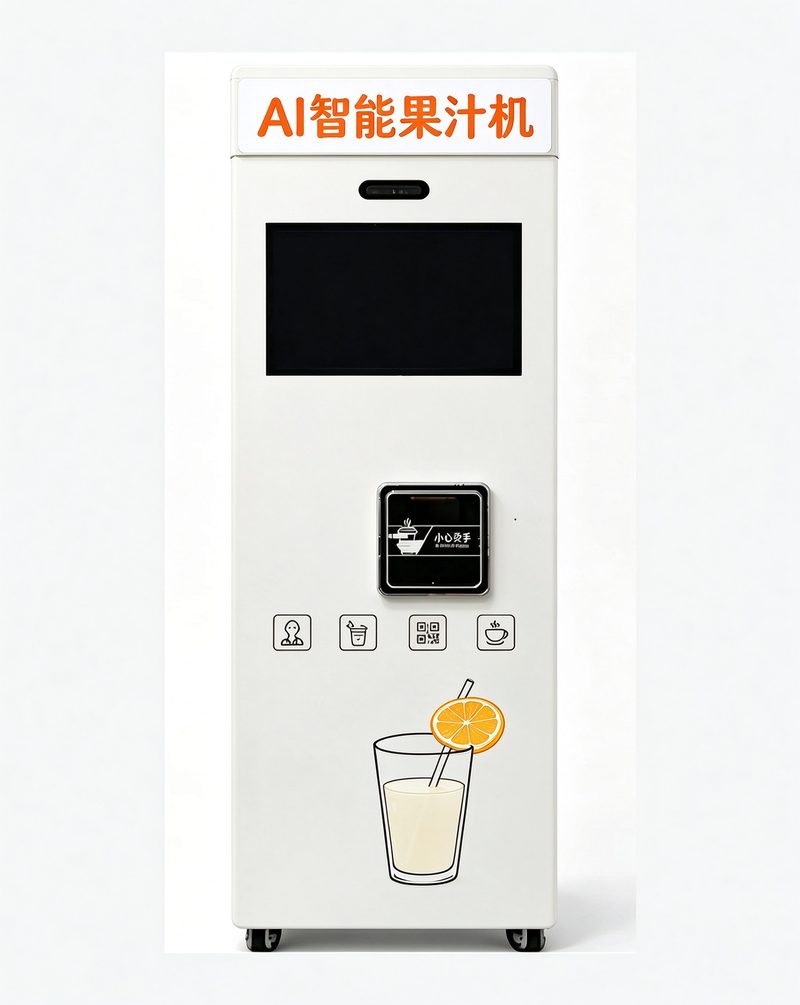
Payment Cases and Ownership
| Case | What happens | Owner |
|---|---|---|
| Normal sale | QR scan-to-pay, per-order reference | Machine ledger |
| Failed vend | Voided and logged | Operator refunds same day |
| Offline network | Sales queue locally | Sync on reconnect |
| Monthly close | Ledger export | Operator and host reconcile |
The Vend That Did Not Happen
The same face, four weeks running. A warehouse clerk racing a timer stops at the night queue area of a long-distance coach station, waits the forty seconds scrolling a phone, pockets the receipt without looking at it, and the pattern has stopped being a coincidence.
No promotion produced that habit. A machine that is always there, always stocked and always the same cup did it, which is a quieter kind of marketing than anything with a budget.
A site is not won on the first cup; it is won on the fifteenth. The sale lands in the ledger before the door swings shut.
Choosing the First Site
The first site teaches the operator the business, so it should be chosen for learning speed rather than for size: close enough to visit weekly, forgiving enough to survive mistakes, busy enough to produce data.
A site twenty minutes away with modest traffic beats a landmark site two hours away, because the first one can be watched. Watching is what turns a placement into a method.
A Machine for a Mixed-Language Site
Sites with shift workers, international staff or mixed-age footfall need three things on screen: price, choice and what to do when it goes wrong. Everything else is optional and often in the way.
Use pictures for the menu and words only for the exception. A customer who cannot read the interface will still press a picture of a coffee, but will not read a paragraph explaining a fault code.
When Cash Still Matters
Offline fallback is part of the payment design, not an excuse for it. Know exactly what a capsule juice machine does when the 4G/WiFi link drops — which sales queue for later sync, which fail outright, and how the screen explains it to a customer holding a phone.
Sites with a written fallback rehearse it once and never think about it again. Sites without one meet it on a busy Friday.
When the Building Gains a Second Host
A new tenant, a new canteen operator, a new facility contract - the building can change hands around a machine that never moved. The relationship that supported the placement resets, and nobody tells the operator.
Ask the host for a named contact every six months and keep the answer in the site file. The cost of one email is small; the cost of finding out in month twenty that your contact left in month eight is a placement that quietly ended.
The Price Change Nobody Announced
Raising a price by a small amount costs less than the two weeks of complaints that follow a badly explained one. The change is never the problem; the silence is.
Announce it where the customer already looks - the screen, the site notice, the host's own channel - and give a date. A price that moves without a sentence attached reads as an error, and errors get argued about at the counter.
Knowing When to Walk Away
The most expensive sites are the ones that should have been declined: access that cannot be reached at the hour the site needs, a share that leaves nothing, or a host who has already decided the machine is a nuisance.
Write down the three conditions that make a site unacceptable before touring, and apply them without negotiation in the first month. Saying no early is cheaper than exiting in year two, and it protects the routes that do work.
One Minute at the Machine
11 pm at a 24-hour stop, the second-floor rest deck of a furniture expo. A mother waiting out a clinic queue walks up to the capsule juice machine and scans, hesitates over the menu for a second, then picks the new flavour the dashboard has been quietly promoting. The cup arrives capped, an orange juice still warm enough to notice on the walk back.
The sale lands in the ledger before the door swings shut.
Multiply that minute by the hours the site is actually awake, and the placement argument writes itself: the machine is not competing with the cafe down the street - it is serving the traffic that never walks there.
Remote Monitoring Keeps Rounds Short
With 4G/WiFi connectivity the fleet reports stock, sales and faults on its own, so depot runs replace guesswork with routes.
Alerts are worth tuning: stock thresholds, offline events and vend failures cover the bulk of what used to be discovered by surprise.
When Your Own Staff Turns Over
Route staff leave, and they take unwritten knowledge with them: which door sticks, which host wants a call first, which site's numbers are seasonal. A route that lives in one person's head is a single point of failure.
The fix is boring and works: one page per site with access notes, contact names and anything unusual, updated when something surprises you. Ten minutes a week buys a route that can be handed to anybody.
Payment Flows in Practice
Settlement clarity starts with one rule: every refund has a reason code. Machine faults, double scans, and change disputes each get their own code, and the codes tell you which capsule juice machine, which site, and which week needs attention.
Un-coded refunds look small daily and large quarterly. The code list is the cheapest audit tool on the market.
What Procurement Asks That Operations Cannot Answer
A procurement team asks about liability, insurance, invoicing terms and the legal entity on the contract. An operator answers questions about cups and queues. The gap between those two conversations is where deals stall for weeks.
Bring one page to the first meeting: entity name, invoice type, payment terms, insurance position, and who signs. None of it is technical, and all of it is what the buyer needs before they can even schedule the real conversation.
What a Trial Actually Measures
A trial is not a small version of the business. It measures whether the site's traffic shows up on the days nobody is watching, and whether the host's team leaves the machine alone.
Decide before the trial starts what result would end it: a cup floor, an uptime floor, and a complaint ceiling. A trial without exit criteria becomes a permanent arrangement by default.
Loading Bays and Delivery Windows
The delivery is where a placement's real constraints appear: a bay booked for fifteen minutes, a lift that will not take a pallet, a corridor that narrows at the fire door.
Walk the route with a trolley before the first order, not on the day. Every operator has a story about a machine that arrived and could not enter the building it was bought for.
The Economics of One Extra Machine
Adding a second unit to a site is not double the business. It is the same traffic split across two positions, plus the customers who never queued before, minus the fixed cost of another cabinet, another restock stop and another thing that can break.
The honest test is a queue measurement: if the morning peak regularly produces more than a few minutes of waiting, a second unit adds sales. If not, it adds cost and halves the utilisation of both.
There is a third case worth naming: two units in two positions in the same building, which is not one site with two machines but two sites sharing a route. That is usually the better version of the investment, and it is decided by the walkthrough rather than the spreadsheet.
Reading a Renewal Before It Arrives
Renewals are decided months before the meeting. A host who has had no contact for a year, no report and no fault resolved quickly arrives at the renewal with one question: what is this for?
The operators who renew well send something quarterly: a two-line summary of cups served, one improvement made, and one thing they would like to change. That is not marketing; it is the evidence the host needs to defend the arrangement internally.
Where a renewal does go wrong, it is usually about the share rather than the machine. A host under budget pressure will ask for a better rate, and the answer is much easier when the machine has a documented record of what it does for the site.
From the Service Route
The operator's van stops at a community clinic corridor by the pharmacy window on a route that will cover six more machines before noon. The dashboard has already ranked the visit: stock fine, no faults, one line running low.
While the drawers are topped, a saleswoman between two showroom appointments wander up; the sale happens between two tasks, waits the forty seconds scrolling a phone, pockets the receipt without looking at it.
This is what unattended means in practice - not absence, but attention aimed exactly where the data says. The dashboard records it as one line; the day's curve bends up almost imperceptibly.
A Placement, Three Months In
The pilot at a wholesale market office row began as a favour to the site host and turned into the easiest arithmetic in the fleet: early-morning trade, the first two hours outsell the afternoon. When the second machine conversation started, the first month's ledger did most of the talking.
The ledger and the walkthrough told different stories for a month. The ledger said demand; the walkthrough said a queue at the wrong hour. The walkthrough was right, and the fix cost nothing.
What a Working Site Looks Like
Three months into a placement at an office park lobby, the pattern has settled: weekday morning peaks, and Fridays run light and Mondays run heavy, every week. The menu has been trimmed twice - the dashboard ranked the lines, the bottom three went, and nobody wrote in to mourn them.
The ledger and the walkthrough told different stories for a month. The ledger said demand; the walkthrough said a queue at the wrong hour. The walkthrough was right, and the fix cost nothing.
The Ledger Tells the Story
Three months into a placement at a wholesale market office row, the pattern has settled: early-morning trade, and the first two hours outsell the afternoon. The menu has been trimmed twice - the dashboard ranked the lines, the bottom three went, and nobody wrote in to mourn them.
What made the site work was unglamorous: a cabinet in sight of a window, a restock on the day the building was quiet, and a host who knew exactly who to call.
Two Floors Down, Another Machine
The same face, four weeks running. An elderly regular who remembers coin machines stops at a warehouse office mezzanine, waits the forty seconds scrolling a phone, pockets the receipt without looking at it, and the pattern has stopped being a coincidence.
No promotion produced that habit. A machine that is always there, always stocked and always the same cup did it, which is a quieter kind of marketing than anything with a budget.
A site is not won on the first cup; it is won on the fifteenth. The sale lands in the ledger before the door swings shut.
Straight Answers to the Hard Questions
"What about hygiene inspections?"
A capsule system keeps the wet parts few and the routine short; the cleaning sheet and the service log are exactly what an inspector asks to see.
"We tried a vending machine years ago and it was a disaster."
The difference is the telemetry. Stock, faults and sales report themselves now, so a machine that quietly fails gets noticed the same hour - not the following month.
"How do I know the numbers are real?"
Every order carries its own reference and exports monthly against capsule consumption. You reconcile a report, not a shoebox of receipts.
"Sounds like a headache to restock."
The restock route runs every two to three weeks per machine on normal demand, sized by the dashboard rather than by guesswork. One van, one morning, ten sites.
A Week on the Route, Logged
- Monday - Route planned from the weekend's dashboard; the week's capsule order confirmed.
- Tuesday - The long run: four sites before ten, two after lunch, one drawer rotated while the kettle boiled.
- Wednesday - Halfway check on capsule depth; one line is running ahead of plan and earns a second row next visit.
- Thursday - Books day. The monthly figure gets compared to the site's own count, and the two agree within normal wastage.
- Friday - Contact card refreshed at the lobby unit, and the host's new shift supervisor walked through the basics.
- Saturday - Weekend shift: fewer sites, more cleaning. Two drip trays, one filter, and a machine that looks new again.
- Sunday - Nothing scheduled. Alerts forwarded to the phone, one dashboard glance at noon, no wheels turned.
Twelve Months, Two Columns
| Month | Traffic pattern | Route decision |
|---|---|---|
| Jan | Budget season: the annual consumables figure gets signed this month. | New-year footfall is slow to wake; keep the hot lines deep and the route tight. |
| Feb | Short month, long queues on the 14th; order the dessert-adjacent capsules early. | Valentine week bends the coffee and milk-tea lines upward for ten days. |
| Mar | Spring footfall returns with the weather; fruit lines start their climb. | Quarter close: reconcile the ledger and prune the menu bottom. |
| Apr | Rain weeks teach you which sites have indoor dwell; note them for the record. | A good month to trial one new capsule line per machine. |
| May | Holiday Mondays distort the weekly curve; compare like with like before judging a site. | Warm evenings extend the outdoor sites; chilled options earn their drawer space. |
| Jun | Exam and event season bends public-hall sites; stock ahead of the dates. | Half-year service check: seals, nozzles, payment terminals. |
| Jul | Office sites go quiet and tourist corridors take over; move the route, not the menu. | Peak heat shifts demand; the curve moves later into the evening. |
| Aug | Use the lull for operator training and contract renewals. | Capsule storage gets hot in August; check the stockroom before the shelf life does. |
| Sep | Campus sites refill; the coffee line at eight in the morning comes back overnight. | Order winter capsule volumes early - the ramp catches late buyers. |
| Oct | The hot-drink golden window opens; the curve steepens week on week. | The first cold snap is worth a route note: it usually front-loads the month by a week. |
| Nov | Cold-weather peak builds; popular lines deserve a double buffer. | Year-end host meetings: renewals, shares, next-year placements. |
| Dec | Close the ledger, thank the hosts, and let the dashboard write the next order. | Festive peaks everywhere except the empty offices; plan the route around both. |
Three Things the Route Taught Me
Nobody warns you that the hard part is not buying the machine. It is the restock cadence, done the same way in month nine as in month one.
The machine never argues. It just records what you did about the cleaning sheet, and hands the record back at the end of the quarter.
My first site taught me the arithmetic; my fourth taught me the alert settings, which is the part that scales.
How It Stacks Up
| The old way | What it costs | Where it fails | What the machine changes |
|---|---|---|---|
| Staffed counter | Wages every month, plus training and turnover | Open only as long as someone stands there | A capsule juice machine sells the hours the counter never could |
| Traditional coin vending | Cash handling, change runs, slot jams | No telemetry; faults found by complaint | Every sale logged, every fault alerted |
| Corner cafe | A lease, a build-out, a barista roster | Menu changes mean reprinting and retraining | The menu changes when the capsule order does |
| Line | What it pours | Where it fits best | Restock rhythm |
|---|---|---|---|
| Coffee machine | Espresso, americano, latte | Corporate floors, hotel corridors | Restock every 2-3 weeks |
| Milk tea machine | Milk tea and tea lines | Malls, adult-education campuses, staff rooms | Restock every 2-3 weeks |
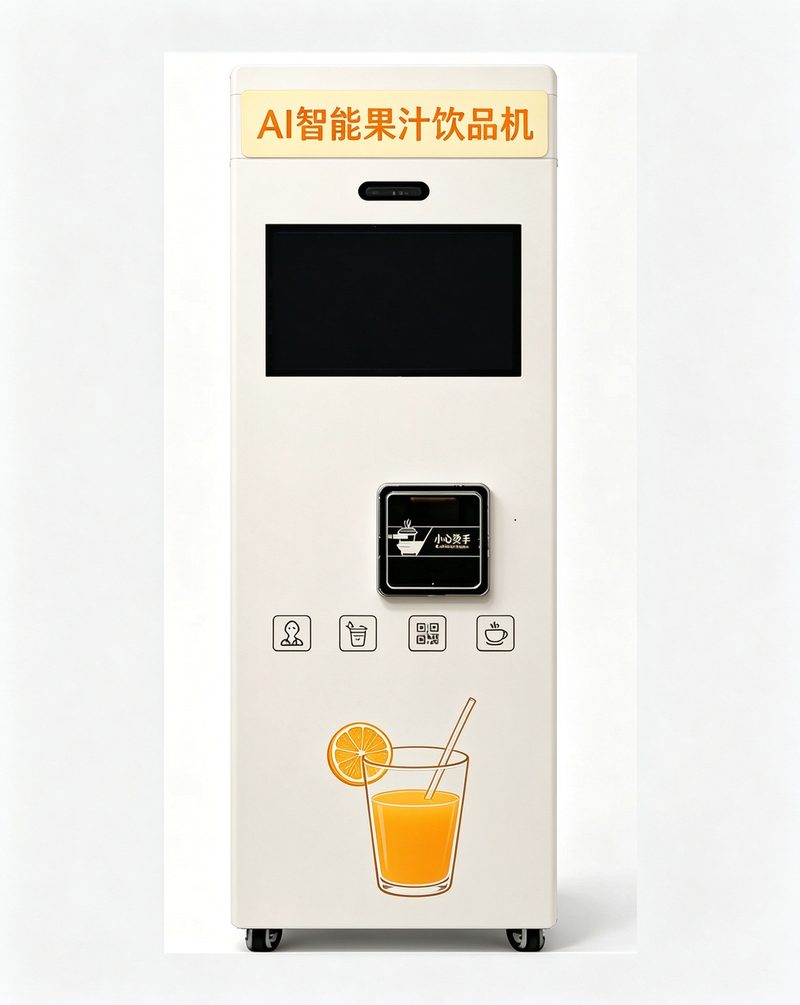
| Juice machine | Fruit lines, chilled options | Sports halls, stations, parks | Restock every 2-3 weeks |
| Herbal tea machine | Herbal and traditional teas | Hospitals, tea houses, late shifts | Restock every 2-3 weeks |
A Checklist Worth Printing
- Set a two-week buffer at the depot, not at the site
- Ask the host where hot drinks are usually bought nearby
- Test payment on site before the host's opening hour
- Agree in writing who pays for power and consumables
- Compare the monthly ledger to the site's own count once a quarter
- Photograph the installation for the machine folder
- Check signage faces the waiting area, not the wall
- Confirm footprint and power before signing the placement
- Put the fault codes in plain words on the inside door
- Agree the refund rule before the first complaint, not after
- Set the filter calendar by measured water hardness
- Record the host's renewal date where the route can see it
The Takeaway
Keep the worksheet alive after installation - it costs nothing to maintain and answers most debates.
Common questions
How often do filters change?
By litres, not by date: the interval is set from measured hardness and logged on the sheet.
What happens during a power cut?
The machine resumes when power returns; in-flight vends are voided and refunded per the posted rule.
What spare parts should I stock?
Seals and nozzles first, a spare payment terminal, and the fuses that solve site-side faults.
Can the menu change without a technician?
Yes - capsule menus change at the restock visit; nothing on the machine needs touching.
Rent or revenue share?
Flat rent suits steady sites, share suits unproven ones; hybrids split the difference.
Is there a contract lock-in?
Placement terms vary by venue; trial periods with clear move-out terms are common and sensible.
What is the usual payback window?
The planning band is 3-8 months, set mainly by site quality and the local price of a cup.
What if payment fails mid-vend?
The vend is voided, the ledger records it, and the posted refund rule handles the customer the same day.
Machines this article refers to
Related reading
- After-Sales Planning for the 24/7 Juice Kiosk
- Seasonal Menu Planning for a Gym Juice Vending Machine
- Capsule Supply Chains for the Unmanned Juice Machine
- Self-Service Fruit Drink Machine Buying Guide: Specs That Actually Matter
Summary
Every sale on a capsule juice machine carries its own reference, so settlement is a report - if the payment and refund rules were written down first.
Book a commissioning slot only after the checklist above is signed off.