Budgeting a Coin-Operated Coffee Machine Without Surprises
In one line: A coin-operated coffee machine has eight cost lines, not one sticker; modelled over twelve months they show where the payback window of 3-8 months really sits.
Key facts: Consumables scale directly with cups; with restock windows of every 2-3 weeks, the per-cup figure decides the whole year.
From Quote to First Cup
Anyone comparing the coin-operated coffee machine for the first time meets the same vocabulary in a different order. Nothing here assumes a large fleet - a single unit deserves the same rigour.
The Cost Lines Behind the Sticker
The sticker is one line of eight. Machine, placement, consumables, parts, power and connectivity, site fee, cleaning time and downtime make up the rest.
Written down separately, the lines show which lever actually moves the payback window of 3-8 months.
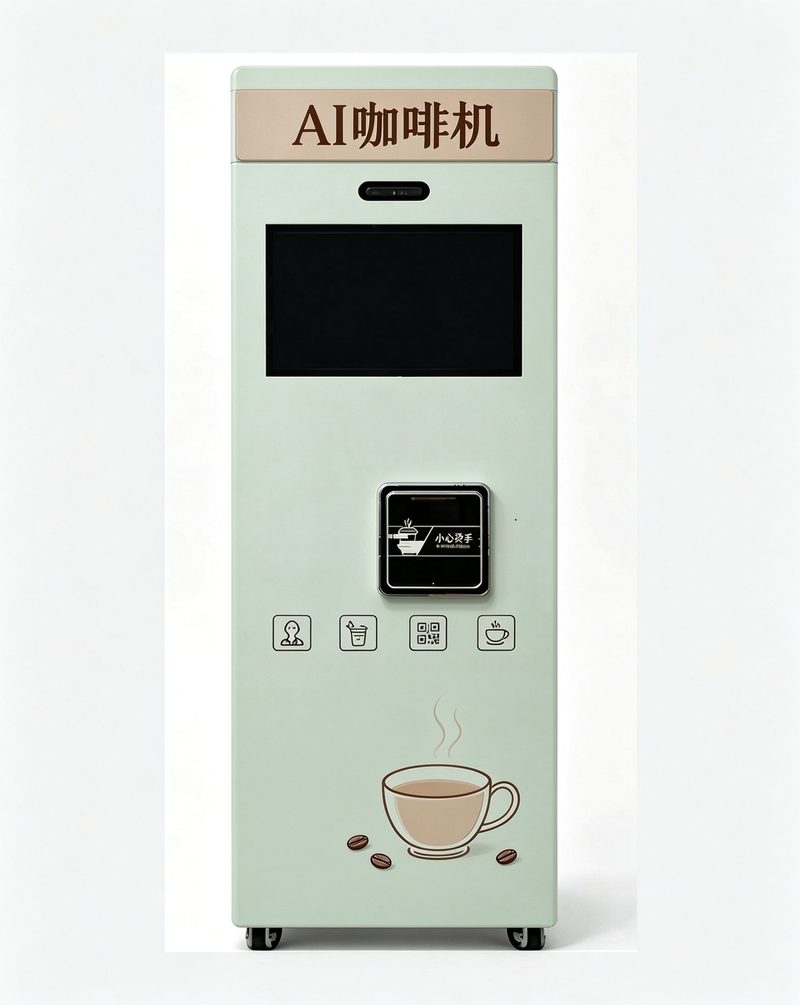
The Eight Cost Lines at a Glance
| Cost line | When it hits | How it scales |
|---|---|---|
| Machine (configured) | Before delivery | Fixed by the order |
| Placement and delivery | At installation | Per site |
| Consumables | Monthly | Directly with cup volume |
| Spare parts kit | One-time plus top-ups | With fleet size |
| Power and connectivity | Monthly | Flat per machine |
| Site fee or share | Monthly | With the venue agreement |
| Cleaning time | Weekly | With visit frequency |
| Downtime | Irregular | With service terms |
The Month the Building Emptied
The same face, four weeks running. A warehouse clerk racing a timer stops at a bus terminal mezzanine near the ticket gates, scans, hesitates over the menu for a second, then picks the new flavour the dashboard has been quietly promoting, and the pattern has stopped being a coincidence.
No promotion produced that habit. A machine that is always there, always stocked and always the same cup did it, which is a quieter kind of marketing than anything with a budget.
A site is not won on the first cup; it is won on the fifteenth. Nobody photographs it; the machine has simply become part of the floor plan.
The Lines Around the Sticker
The sticker is the smallest number on the page. Around it sit installation, the first capsule order, a spare parts kit, and the payment terminal's monthly fee — four lines that together often rival the machine itself within the first quarter.
Model them on day one, not when the invoice arrives. A coin-operated coffee machine whose true first-year cost is visible upfront is also a machine whose 3-8 months payback claim can actually be checked line by line.
What a Host Asks After Three Months
At the first renewal conversation the host asks three things: how many cups, how many complaints, and whether anyone has asked about the machine. The third question is the one that decides renewal.
Bring the numbers, but bring the quotes too. One sentence from a tenant about the queue being gone is worth more than a page of revenue.
What Gets Wiped, and When
The cleaning that matters is not the deep clean; it is the ninety seconds between customers - a wiped tray, a cleared cup chute, a lid bin emptied before it looks full. A cabinet cleaned once a week reads as dirty by Thursday.
Write the routine on the inside of the door in four lines, and stock the cloth where the person standing there can reach it. Cleaning routines fail for lack of a cloth far more often than for lack of willingness.
Depreciation by Site Class
Depreciation deserves its own line and its own honesty. A coin-operated coffee machine worked hard in a transit hub ages faster than the same cabinet in a library corner, so set the write-down by site class, not by model number.
When the residual value is estimated at replacement rather than sentiment, upgrades stop feeling like losses. The budget conversation becomes calendar work: which site class refreshes in which quarter.
Lessons From the First Quarter
A quiet machine is a trusted machine. Lights that work, a screen that answers, a pickup area wiped between rounds — these say more about the operation than any panel sticker.
Trust compounds quietly, in renewal conversations and in the passers-by who finally stop. It is the only marketing an unattended corner truly owns.
Contract Clauses Worth Reading Twice
Four clauses carry most of the risk in a placement: access hours for the restock van, who pays for power, what happens if the host changes use of the space, and how either side exits without penalty.
None of them needs a lawyer to draft, and all of them are cheaper to agree before the cabinet is bolted down. A coin-operated coffee machine that cannot be serviced inside the host's hours is a machine that will miss its every 2-3 weeks rhythm sooner or later.
Two Floors Down, Another Machine
The same face, four weeks running. A forklift driver with gloves tucked in his belt stops at the staff corridor of a regional hospital, waits the forty seconds scrolling a phone, pockets the receipt without looking at it, and the pattern has stopped being a coincidence.
No promotion produced that habit. A machine that is always there, always stocked and always the same cup did it, which is a quieter kind of marketing than anything with a budget.
A site is not won on the first cup; it is won on the fifteenth. No one needed help, which is the entire point.
Payback Windows in Practice
Site quality moves the payback window more than hardware choices do; a mid-range unit on a busy dwell point beats a premium unit in a dead corner.
Treat 3-8 months as the planning band, then let the site's own cup curve decide where inside it the truth sits.
What to Do With a Site That Complains Constantly
A site that complains about everything is usually telling you one thing badly. Somewhere in the list is a real problem - a noise, a queue, a stockout - and the rest is the frustration of not being heard.
Ask them to rank the three that matter most and fix those. A site that feels heard becomes reasonable; a site that receives a defensive email becomes a former site at renewal.
Being Recognised as Staff
In a shared building, the person refilling a cabinet is read as either staff or stranger within about ten seconds, and the difference decides whether anyone reports a fault to them.
A lanyard, a name on the contact card, and a habit of greeting the front desk cost almost nothing. They turn three separate visits into a relationship the site can use.
What the Data Tells You
The dashboard answers three questions: which drinks sell, which hours carry them, and which sites pay for a second machine.
Menu changes should come from those three answers, not from instinct alone.
Price per Cup, Not per Machine
Price per cup is the metric that survives contact with reality. Divide everything — capsules, cups, power, rent share, terminal fees, your own restock time — by cups sold, and compare it to what the venue charges.
Margins that look thin per cup turn healthy per week once volume is honest. Margins that look rich per cup usually hide a restock route nobody has priced. The ledger settles these arguments; intuition rarely does.
A Simple TCO Worksheet
- List all eight cost lines with today's figures
- Model the cup curve across one full seasonal cycle
- Fix the per-cup consumable figure with the supplier
- Average kit and filter spend across twelve months
- Compare machines on the same assumptions
When to Add the Second Machine
The second machine is justified by two curves crossing: the first unit's sales plateau at a level the site can sustain, and the restock route still has slack. When both hold for a quarter, the second placement is arithmetic, not courage.
The failure mode is doubling on a high - one good month is weather, not climate. The reliable trigger is a plateau: the site has told you its size, the menu has told you its ceiling, and the ledger has shown you the margin survived the plateau.
Fleets that grow this way inherit an accidental gift: every habit - cadence, cleaning, reconciliation - was built to be copied before it was needed twice.
When the Site Changes Hands
Hosts move on: a building changes manager, a canteen changes operator, a clinic changes owner. The machine stays, and the relationship that supported it resets to zero.
The operators who survive that reset keep three things current: a named contact with a phone number, a one-page summary of what the machine has done for the site, and a copy of the placement terms in the machine folder.
That page is worth more than any brochure. It converts a new manager's suspicion into a short conversation about numbers - and it usually takes fifteen minutes to write.
The Hour Nobody Staffs
By ten at night the morning queue inside a produce wholesale gate has emptied out, and the coin-operated coffee machine is the only lit thing in the corridor. The site closes at six; the traffic does not.
A saleswoman between two showroom appointments is the customer now - the one who cannot buy a flat white anywhere else at this hour, and who will remember that tomorrow.
Anyone pricing a placement on daytime footfall alone is pricing half a site. The sale lands in the ledger before the door swings shut.
A Placement, Three Months In
Three months into a placement at a hotel corridor by the lifts, the pattern has settled: late-evening demand, and nights outperform the average once the tour groups check in. The menu has been trimmed twice - the dashboard ranked the lines, the bottom three went, and nobody wrote in to mourn them.
What made the site work was unglamorous: a cabinet in sight of a window, a restock on the day the building was quiet, and a host who knew exactly who to call.
What a Working Site Looks Like
The pilot at a logistics warehouse rest area began as a favour to the site host and turned into the easiest arithmetic in the fleet: shift-change traffic, the morning peak carries the day. When the second machine conversation started, the first month's ledger did most of the talking.
The quarter's lesson was about the restock hour, not the menu. Moving the visit ninety minutes earlier recovered the morning peak, and the peak turned out to be most of the site.
The Ledger Tells the Story
The pilot at a coach station waiting row began as a favour to the site host and turned into the easiest arithmetic in the fleet: departures-board waves, each delayed departure buys another round of cups. When the second machine conversation started, the first month's ledger did most of the talking.
What the site taught was patience with a shape. Weeks one to three looked like a verdict; weeks four to twelve were the actual answer, and the answer was better than the verdict.
The Regular Nobody Recruited
The same face, four weeks running. An intern rehearsing a presentation stops at a trade hall rest nook between exhibition aisles, waits the forty seconds scrolling a phone, pockets the receipt without looking at it, and the pattern has stopped being a coincidence.
No promotion produced that habit. A machine that is always there, always stocked and always the same cup did it, which is a quieter kind of marketing than anything with a budget.
A site is not won on the first cup; it is won on the fifteenth. Nobody photographs it; the machine has simply become part of the floor plan.
Straight Answers to the Hard Questions
"How do I know the numbers are real?"
Every order carries its own reference and exports monthly against capsule consumption. You reconcile a report, not a shoebox of receipts.
"A machine like that must cost a fortune up front."
Less than the rent deposit for the counter it replaces. The machine is one of eight cost lines, and the payback window runs three to eight months at a site with real foot traffic - the worksheet in this series breaks all eight out.
"The shop next door already sells drinks."
A shop sells drinks when someone is behind the counter. The machine sells at seven in the morning, at eleven at night, and every minute the shutters are down - it is a different business, not a rival.
"We tried a vending machine years ago and it was a disaster."
The difference is the telemetry. Stock, faults and sales report themselves now, so a machine that quietly fails gets noticed the same hour - not the following month.
A Week on the Route, Logged
- Monday - Week opens with paperwork - capsule order signed off, one site's access hours re-confirmed by message.
- Tuesday - Route day proper. A payment terminal at the second stop needed a restart; the log records the minute it happened.
- Wednesday - Midweek dip on the office sites; herbal line restocked at the clinic cluster.
- Thursday - Reconciliation morning - cups sold against capsules issued, and the one discrepancy traced to a demo cup.
- Friday - The Friday visit happens before four, because after four the site is a queue and a machine that needs nothing.
- Saturday - Weekend shift: fewer sites, more cleaning. Two drip trays, one filter, and a machine that looks new again.
- Sunday - Rest day, which is also a system: the alerts keep watch and the ledger keeps counting.
Twelve Months, Two Columns
| Month | Traffic pattern | Route decision |
|---|---|---|
| Jan | The quietest fortnight of the year - good for audits, bad for optimism. | Budget season: the annual consumables figure gets signed this month. |
| Feb | Valentine week bends the coffee and milk-tea lines upward for ten days. | Short month, long queues on the 14th; order the dessert-adjacent capsules early. |
| Mar | Exam season starts on campuses; the library site stops being a quiet placement. | Quarter close: reconcile the ledger and prune the menu bottom. |
| Apr | Rain weeks teach you which sites have indoor dwell; note them for the record. | The first warm spell moves demand later in the day; watch the four o clock hour. |
| May | Warm evenings extend the outdoor sites; chilled options earn their drawer space. | Mid-year route review: cut the weakest ten percent if the ledger says so. |
| Jun | Half-year service check: seals, nozzles, payment terminals. | Exam and event season bends public-hall sites; stock ahead of the dates. |
| Jul | Peak heat shifts demand; the curve moves later into the evening. | Office sites go quiet and tourist corridors take over; move the route, not the menu. |
| Aug | Capsule storage gets hot in August; check the stockroom before the shelf life does. | The slowest office month; the tourist corridors carry the fleet instead. |
| Sep | Order winter capsule volumes early - the ramp catches late buyers. | Back-to-routine week is the second new year; footfall snaps back fast. |
| Oct | The first cold snap is worth a route note: it usually front-loads the month by a week. | Autumn fairs and exhibitions fill the trade-hall sites. |
| Nov | Cold-weather peak builds; popular lines deserve a double buffer. | Darkness at five changes the traffic shape; the evening hour gains, the lunch hour thins. |
| Dec | The last week is dead in offices and frantic in transit; stock for one and rest for the other. | Festive peaks everywhere except the empty offices; plan the route around both. |
Three Things the Route Taught Me
Every operator I respect has the same boring habit: they write the week down. the restock cadence is where the writing pays for itself.
The best placement advice I ever got fit on a napkin: the alert settings decides the curve, and the curve decides everything else.
If I could send one paragraph back to my first order, it would be this - the restock cadence is not a purchase, it is a schedule, and the schedule is written in the ledger whether you look at it or not.
How It Stacks Up
| The old way | What it costs | Where it fails | What the machine changes |
|---|---|---|---|
| Staffed counter | Wages every month, plus training and turnover | Open only as long as someone stands there | A coin-operated coffee machine sells the hours the counter never could |
| Traditional coin vending | Cash handling, change runs, slot jams | No telemetry; faults found by complaint | Every sale logged, every fault alerted |
| Corner cafe | Rent, fit-out, staffed peaks | Fixed menu, fixed hours | Capsule range rotates at the restock visit, not by renovation |
| Model line | Core drinks | Best-fit venues | Service rhythm |
|---|---|---|---|
| Coffee machine | Espresso, americano, latte | Office lobbies, clinics, showrooms | Restock every 2-3 weeks |
| Milk tea machine | Milk tea and tea lines | Retail floors, schools, factory canteens | Restock every 2-3 weeks |
| Juice machine | Fruit lines, chilled options | Sports halls, stations, parks | Restock every 2-3 weeks |
| Herbal tea machine | Herbal and traditional teas | Wellness centres, community halls | Restock every 2-3 weeks |
A Checklist Worth Printing
- Ask the host where hot drinks are usually bought nearby
- Note the site's quiet hours before scheduling a service visit
- Log the first repair with date, part and cause
- Confirm the delivery lift's depth before the van leaves
- Keep a laminated contact card inside the cabinet door
- Test payment on site before the host's opening hour
- Post the contact and refund rule at the machine
- Decide who owns the cups before the first order
- Keep one seal and nozzle kit per ten machines
- Walk the route in the order the traffic allows, not the map
- Price one cycle of capsules before promising a payback figure
- Note the host's shift pattern so restocks miss the rush
The Takeaway
Run the sheet, place the first unit, and let the first month of data argue for the second.
Common questions
What happens if a flavour runs out?
The dashboard flags the line before it empties; the next route carries the buffer.
What spare parts should I stock?
Seals and nozzles first, a spare payment terminal, and the fuses that solve site-side faults.
What happens during a power cut?
The machine resumes when power returns; in-flight vends are voided and refunded per the posted rule.
Rent or revenue share?
Flat rent suits steady sites, share suits unproven ones; hybrids split the difference.
Is there a contract lock-in?
Placement terms vary by venue; trial periods with clear move-out terms are common and sensible.
Who cleans the machine?
The operator, on the visit sheet - cup area and panel each visit, drawer and tray weekly.
How often does someone need to visit?
On normal demand, the restock route lands every 2-3 weeks per machine, with dashboard alerts filling the gaps.
What does a cup actually cost?
Capsule plus cup plus a share of parts, power and cleaning - the per-cup figure is fixed with the supplier and held against invoices.
The machines behind this article
Related reading
- Shelf Life and Rotation for Automatic Coffee Vending Machine Stock
- Hotel Pantry Coffee Machine Pricing: From Sticker to Settlement
- Site Agreements for an Unattended Coffee Corner
- How to Choose a Self-Service Espresso Machine for High-Traffic Venues
Summary
A coin-operated coffee machine has eight cost lines, not one sticker; modelled over twelve months they show where the payback window of 3-8 months really sits.
Request the spec sheet and the TCO worksheet together - they read as one document.