Remote Monitoring for a Commercial Herbal Drink Dispenser Fleet
In one line: Monitoring turns a solo operator into a fleet manager; this page picks the three alerts that carry the load. Applies to a single unit as much as a fleet.
Key facts: Stock alerts, offline flags and vend-failure counts - three signals run a twenty-site fleet from one phone.
What Separates a Busy Unit from a Quiet One
The commercial herbal drink dispenser project starts with a site and ends with a rhythm nobody wrote down at the start. If a line looks obvious, it is probably the one that gets skipped and then paid for twice.
What to Watch on the Dashboard
- Stock levels per capsule line
- Fault codes and offline events
- Hourly sales against the site's curve
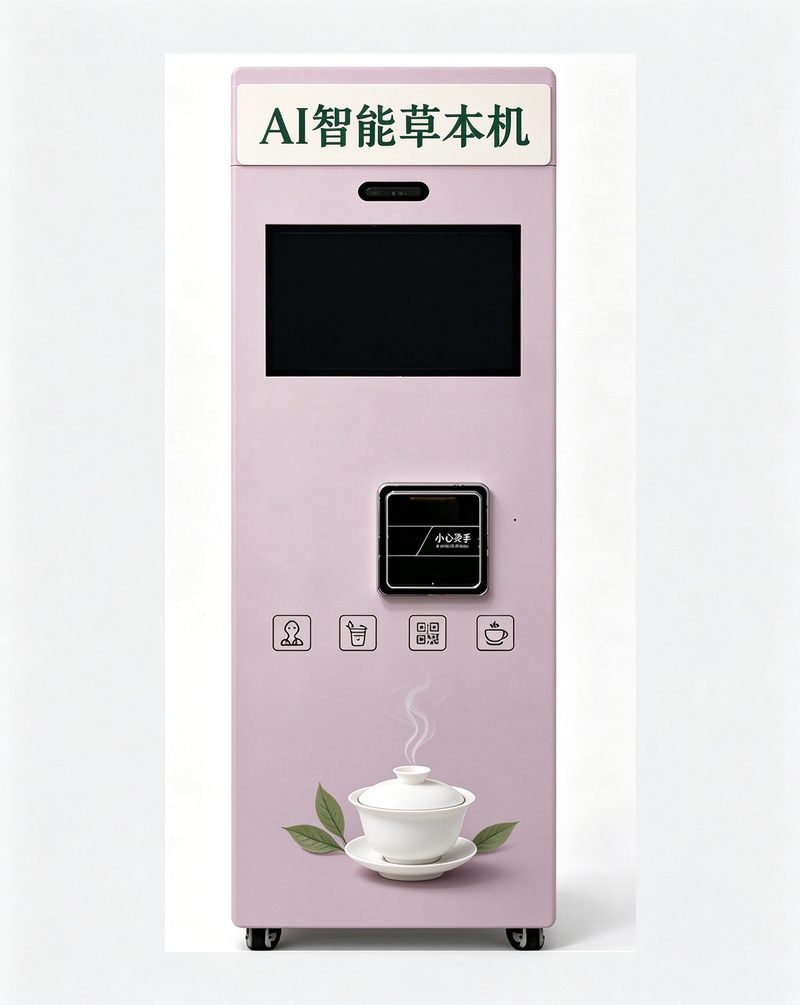
Alerts, Triggers, First Actions
| Alert | Trigger | First action |
|---|---|---|
| Stock low | Below threshold | Add line to next route |
| Machine offline | Over an hour | Power and SIM check by phone |
| Vend failures | Repeated | Walk the host through the slot |
| Sales drop | Against the curve | Visit before the host notices |
The Vend That Did Not Happen
The same face, four weeks running. A first-time visitor following the signs stops at a bus terminal mezzanine near the ticket gates, scans, hesitates over the menu for a second, then picks the new flavour the dashboard has been quietly promoting, and the pattern has stopped being a coincidence.
No promotion produced that habit. A machine that is always there, always stocked and always the same cup did it, which is a quieter kind of marketing than anything with a budget.
A site is not won on the first cup; it is won on the fifteenth. The restock note writes itself: the popular line is down one row.
The Receipt Nobody Takes
Digital receipts exist mostly for the operator, not the customer. What the customer wants is proof of purchase when the cup does not arrive - and that is a number on a screen, not an email.
Keep a short transaction code on the machine and on the app, so a refund conversation starts with a reference rather than with a description. Sites that do this settle disputes in a minute; sites that do not escalate them.
A Complaint Is a Signal, Not a Verdict
The first complaint about a site usually describes a real defect in a clumsy way. The customer says the coffee tastes burnt; the actual problem is a heater cycling two degrees high.
Treat the complaint as a pointer and check the machine data before defending the product. Operators who answer the data find the fault; operators who answer the words find an argument.
Signage That Does Real Work
Most machine signage answers a question nobody asked. A sign saying the machine exists is decoration; a sign saying how to pay, what to do if it fails, and when it is restocked does actual work.
Test it by watching a first-time customer for thirty seconds. If they hesitate, the sign failed; if they press and leave, it worked. Two lines on a card beat a printed banner on the wall.
The Price of a Cup at 3am
Night demand is small, price-insensitive and loyal in a way daytime demand is not. A customer at three in the morning is not comparing prices; they are deciding whether this building has anything at all.
That justifies keeping a night menu narrow and a price slightly higher, provided the machine is genuinely available. The risk is not the price; it is advertising availability and then being out of cups.
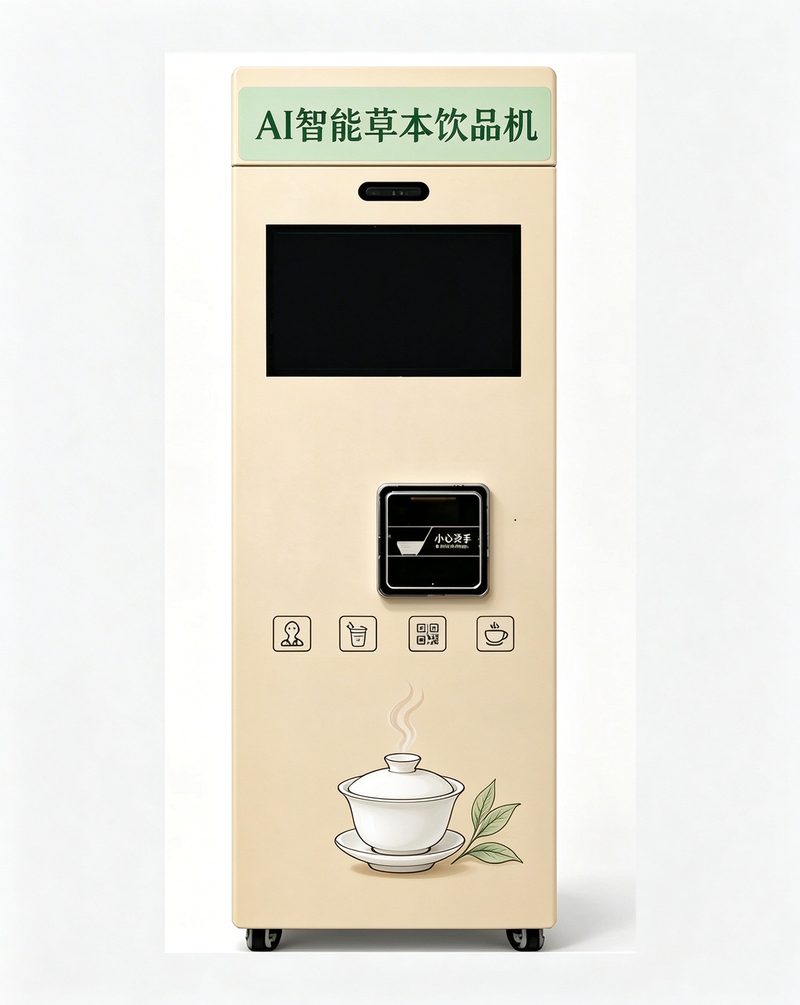
Alerts You Answer and Alerts You Mute
Watch the fleet in route order, not in alphabetical order. The screen that mirrors today's driving plan turns monitoring into ten focused minutes instead of an open-ended scroll.
The 4G/WiFi link makes the data free; the route discipline makes it useful. The pair together is how one operator keeps thirty sites without living in a spreadsheet.
Contract Clauses Worth Reading Twice
Four clauses carry most of the risk in a placement: access hours for the restock van, who pays for power, what happens if the host changes use of the space, and how either side exits without penalty.
None of them needs a lawyer to draft, and all of them are cheaper to agree before the cabinet is bolted down. A commercial herbal drink dispenser that cannot be serviced inside the host's hours is a machine that will miss its every 2-3 weeks rhythm sooner or later.
What a Failed Cup Leaves Behind
The same face, four weeks running. A visiting auditor with a folder under one arm stops at the corridor outside a hospital waiting hall, waits the forty seconds scrolling a phone, pockets the receipt without looking at it, and the pattern has stopped being a coincidence.
No promotion produced that habit. A machine that is always there, always stocked and always the same cup did it, which is a quieter kind of marketing than anything with a budget.
A site is not won on the first cup; it is won on the fifteenth. By the time the queue reforms, the machine is already serving the next regular.
Structural or Seasonal
A bad month is either seasonal or structural, and the two demand opposite responses. Seasonal means the site will recover on its own; structural means it will not, and waiting costs a quarter.
The tell is the shape of the week rather than the size of the month: a seasonal dip keeps its weekday rhythm and shrinks evenly, while a structural one loses the peak first. Compare the same weekday across three months before concluding anything.
Three Numbers Worth Reporting Monthly
Cups sold, faults per hundred cups, and stockouts. Three numbers, one page, sent to whoever owns the site - it takes ten minutes and it changes the tone of every renewal conversation.
Hosts rarely ask for data, and almost always read it when it arrives. A page like that turns a machine in a corner into a service with a name attached.
The Dashboard Number That Lies
Every dashboard has one number that is technically true and practically misleading: revenue before refunds, cups including test pours, uptime that counts a machine that cannot vend.
Pick the definitions once, write them down, and use the same ones in every conversation with a host. A number that changes meaning between meetings destroys trust faster than a bad month does.
The Price Change Nobody Announced
Raising a price by a small amount costs less than the two weeks of complaints that follow a badly explained one. The change is never the problem; the silence is.
Announce it where the customer already looks - the screen, the site notice, the host's own channel - and give a date. A price that moves without a sentence attached reads as an error, and errors get argued about at the counter.
Being Recognised as Staff
In a shared building, the person refilling a cabinet is read as either staff or stranger within about ten seconds, and the difference decides whether anyone reports a fault to them.
A lanyard, a name on the contact card, and a habit of greeting the front desk cost almost nothing. They turn three separate visits into a relationship the site can use.
The Season the Site Forgets
Every site has a month it forgets: the week between holidays, the exam period, the shutdown for maintenance. Consumption drops and nobody tells the operator, so the next restock arrives into an empty building.
Ask the host for their calendar once a year and put the dates in the system. Two minutes of typing prevents a delivery that sits untouched for a fortnight and a stock rotation problem in the drawer.
Reading a Competitor from the Street
A cabinet visible from the pavement tells you most of what you need: how full the cup chute is, whether the screen is on, whether the price card is current, whether anyone wipes the tray. Ten minutes of looking beats a market report.
Visit twice, at different hours. A machine that looks abandoned at nine in the morning and busy at six in the evening is not failing; it is placed for a shift pattern you had not considered.
What you cannot see is the contract, and that is where the real difference lies. Assume the visible machine is the best-case version of a business you would have to run on worse terms.
Seasonality Without Panic
Every drinks business has a tide, and the tide is not a threat - it is a schedule. Winter widens the hot window; summer shifts demand toward fruit and chilled lines; the weeks around local festivals bend everything at once.
The capsule format turns seasonal planning into a restock decision: the menu changes on the van's schedule, not a technician's. The operators who win the shoulder seasons are the ones who read last year's curve and ordered two weeks early.
The panic version - cutting the menu mid-dip, slashing prices, hoarding the wrong stock - costs more than the dip did. The calm version costs a calendar note.
A Cup in the Middle of a Workday
The tail of the lunch rush at a chess-and-cards room lobby. The queue at the coffee counter downstairs is eight deep; the commercial herbal drink dispenser has three cups' worth of waiting in it, and no queue.
A site foreman counting change he no longer needs taps the screen twice, picks the same drink as always, and is walking away before the cup is full, then goes back upstairs with the cup still in hand - a two-minute errand that a staffed counter would have turned into ten.
Speed is not a luxury feature here; it is the placement's whole economics. By the time the queue reforms, the machine is already serving the next regular.
A Placement, Three Months In
Three months into a placement at a wholesale market office row, the pattern has settled: early-morning trade, and the first two hours outsell the afternoon. The menu has been trimmed twice - the dashboard ranked the lines, the bottom three went, and nobody wrote in to mourn them.
Nothing dramatic happened, which is the result worth reporting. The machine stayed stocked, the sheet got signed, the ledger matched the capsule invoices, and the host stopped mentioning it - the highest form of approval a placement gets.
What a Working Site Looks Like
Three months into a placement at a community clinic hallway, the pattern has settled: appointment-schedule traffic, and the queue before lunch is the whole story. The menu has been trimmed twice - the dashboard ranked the lines, the bottom three went, and nobody wrote in to mourn them.
The quarter's lesson was about the restock hour, not the menu. Moving the visit ninety minutes earlier recovered the morning peak, and the peak turned out to be most of the site.
The Ledger Tells the Story
Three months into a placement at a hotel corridor by the lifts, the pattern has settled: late-evening demand, and nights outperform the average once the tour groups check in. The menu has been trimmed twice - the dashboard ranked the lines, the bottom three went, and nobody wrote in to mourn them.
Half the value came from what was removed: two slow lines, one noisy alert, and a promotion that discounted the only product everybody bought at full price anyway.
The Person Who Quietly Runs It
The same face, four weeks running. A visiting auditor with a folder under one arm stops at an exhibition centre loading corridor, collects the cup, checks the cap out of habit, and folds back into the corridor traffic, and the pattern has stopped being a coincidence.
No promotion produced that habit. A machine that is always there, always stocked and always the same cup did it, which is a quieter kind of marketing than anything with a budget.
A site is not won on the first cup; it is won on the fifteenth. Nobody photographs it; the machine has simply become part of the floor plan.
Straight Answers to the Hard Questions
"What if it gets vandalised or someone walks off with the cash?"
There is no cash box to walk off with - every sale is a logged QR payment, and the cabinet is bolted steel with an alarm on the door. Insurance conversations get easier when the till is a database.
"A machine like that must cost a fortune up front."
Less than the rent deposit for the counter it replaces. The machine is one of eight cost lines, and the payback window runs three to eight months at a site with real foot traffic - the worksheet in this series breaks all eight out.
"How do I know the numbers are real?"
Every order carries its own reference and exports monthly against capsule consumption. You reconcile a report, not a shoebox of receipts.
"The shop next door already sells drinks."
A shop sells drinks when someone is behind the counter. The machine sells at seven in the morning, at eleven at night, and every minute the shutters are down - it is a different business, not a rival.
A Week on the Route, Logged
- Monday - Route planned from the weekend's dashboard; the week's capsule order confirmed.
- Tuesday - Route day proper. A payment terminal at the second stop needed a restart; the log records the minute it happened.
- Wednesday - Halfway check on capsule depth; one line is running ahead of plan and earns a second row next visit.
- Thursday - Ledger exported and matched against capsule consumption; one gap investigated.
- Friday - The Friday visit happens before four, because after four the site is a queue and a machine that needs nothing.
- Saturday - Light route; the hotel machine's drawer rotated first in, first out.
- Sunday - Nothing scheduled. Alerts forwarded to the phone, one dashboard glance at noon, no wheels turned.
Twelve Months, Two Columns
| Month | What the traffic does | What the operator does |
|---|---|---|
| Jan | Budget season: the annual consumables figure gets signed this month. | New-year footfall is slow to wake; keep the hot lines deep and the route tight. |
| Feb | Short month, long queues on the 14th; order the dessert-adjacent capsules early. | The post-holiday dip is real; use it for deep cleans and filter changes. |
| Mar | Quarter close: reconcile the ledger and prune the menu bottom. | Exam season starts on campuses; the library site stops being a quiet placement. |
| Apr | Rain weeks teach you which sites have indoor dwell; note them for the record. | The first warm spell moves demand later in the day; watch the four o clock hour. |
| May | Holiday Mondays distort the weekly curve; compare like with like before judging a site. | Warm evenings extend the outdoor sites; chilled options earn their drawer space. |
| Jun | The first genuinely hot week tells you whether the chilled lines were sized right. | Half-year service check: seals, nozzles, payment terminals. |
| Jul | Office sites go quiet and tourist corridors take over; move the route, not the menu. | Holiday travel lifts transit and hotel sites for roughly three weeks. |
| Aug | The slowest office month; the tourist corridors carry the fleet instead. | Use the lull for operator training and contract renewals. |
| Sep | Campus sites refill; the coffee line at eight in the morning comes back overnight. | Order winter capsule volumes early - the ramp catches late buyers. |
| Oct | The hot-drink golden window opens; the curve steepens week on week. | The first cold snap is worth a route note: it usually front-loads the month by a week. |
| Nov | Darkness at five changes the traffic shape; the evening hour gains, the lunch hour thins. | Year-end host meetings: renewals, shares, next-year placements. |
| Dec | The last week is dead in offices and frantic in transit; stock for one and rest for the other. | Close the ledger, thank the hosts, and let the dashboard write the next order. |
Notes I Keep Rewriting
I used to think the machine was the business. Four hundred route stops later, the honest version: the machine is the storefront, and the business is the first-month readings around it.
My first site taught me the arithmetic; my fourth taught me the host conversation, which is the part that scales.
The best placement advice I ever got fit on a napkin: the site walkthrough decides the curve, and the curve decides everything else.
How It Stacks Up
| The old way | What it costs | Where it fails | What the machine changes |
|---|---|---|---|
| Staffed counter | Wages every month, plus training and turnover | Open only as long as someone stands there | A commercial herbal drink dispenser sells the hours the counter never could |
| Traditional coin vending | Coin floats, collection trips, notes that jam | Problems surface as complaints, weeks late | Payment and faults report themselves the same hour |
| Corner cafe | A lease, a build-out, a barista roster | Menu changes mean reprinting and retraining | The menu changes when the capsule order does |
| Model line | Core drinks | Best-fit venues | Service rhythm |
|---|---|---|---|
| Coffee machine | Espresso, americano, latte | Corporate floors, hotel corridors | Restock every 2-3 weeks |
| Milk tea machine | Milk tea and tea lines | Malls, adult-education campuses, staff rooms | Restock every 2-3 weeks |
| Juice machine | Fruit lines, chilled options | Gyms, leisure, transit | Restock every 2-3 weeks |
| Herbal tea machine | Herbal and traditional teas | Wellness centres, community halls | Restock every 2-3 weeks |
A Checklist Worth Printing
- Note the host's shift pattern so restocks miss the rush
- Review alerts quarterly and remove the noisy ones
- Agree in writing who pays for power and consumables
- Walk the route in the order the traffic allows, not the map
- Keep one experimental line per machine and review it monthly
- Log the first month's cup curve against the plan
- Verify the capsule order lead time in weeks, not promises
- Record the host's renewal date where the route can see it
- Post the contact and refund rule at the machine
- Fix the price list at launch and review it quarterly
- Compare the monthly ledger to the site's own count once a quarter
- Confirm who empties the bin beside the cabinet
The Takeaway
Run the sheet, place the first unit, and let the first month of data argue for the second.
Common questions
What happens during a power cut?
The machine resumes when power returns; in-flight vends are voided and refunded per the posted rule.
What if payment fails mid-vend?
The vend is voided, the ledger records it, and the posted refund rule handles the customer the same day.
Who cleans the machine?
The operator, on the visit sheet - cup area and panel each visit, drawer and tray weekly.
How often does someone need to visit?
On normal demand, the restock route lands every 2-3 weeks per machine, with dashboard alerts filling the gaps.
Rent or revenue share?
Flat rent suits steady sites, share suits unproven ones; hybrids split the difference.
What spare parts should I stock?
Seals and nozzles first, a spare payment terminal, and the fuses that solve site-side faults.
Is there a contract lock-in?
Placement terms vary by venue; trial periods with clear move-out terms are common and sensible.
Can I run twenty sites alone?
Up to a point - routes planned from live data are what make small fleets workable with one service person.
Machines this article refers to
Related reading
- A Buyer's Checklist for the Unmanned Herbal Tea Machine
- Keeping a Commercial Herbal Drink Dispenser in Service
- Chinese Herbal Tea Vending Machine Pricing: From Sticker to Settlement
- A Buyer's Checklist for the Smart Herbal Tea Machine
Summary
Monitoring turns a solo operator into a fleet manager; this page picks the three alerts that carry the load. Applies to a single unit as much as a fleet.
Ask for the placement shortlist template before choosing sites.