Site Agreements for a Commercial Juice Vending Machine
In one line: A friendly handshake and a written contract are not opposites; this page supplies the writing part for commercial juice vending machine placements.
Key facts: Exit terms matter more than entry terms; a clean removal clause is what keeps hosts saying yes.
What Separates a Busy Unit from a Quiet One
The commercial juice vending machine placed well and stocked badly will still disappoint the site. The notes that follow come from ordinary deployments and ordinary complaints.
Three Ways to Split Revenue
- Flat rent - simple, the site keeps the upside
- Revenue share - both sides ride the same curve
- Hybrid - a small base plus a share, common in malls
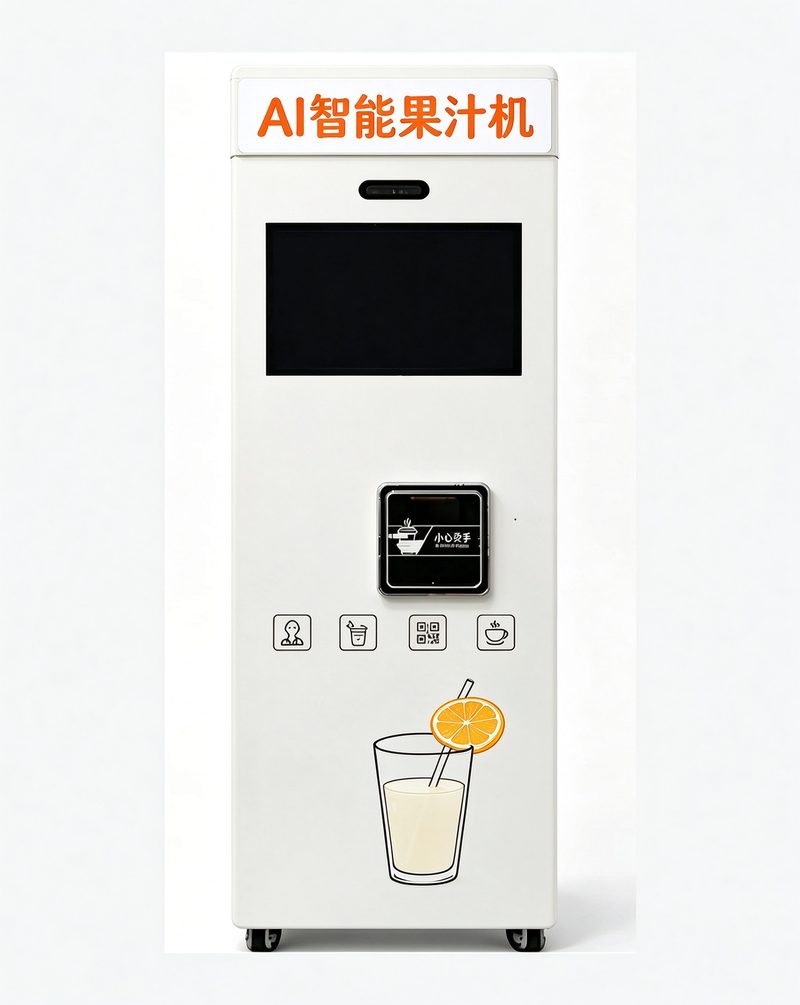
Placement Models Compared
| Model | Fits | Watch for |
|---|---|---|
| Flat rent | Steady, proven sites | Rent eats slow months |
| Revenue share | Unproven placements | Honest metering |
| Hybrid | Malls, high-rent corners | Base plus share clarity |
From the Service Route
The operator's van stops at the rest area of a logistics warehouse on a route that will cover six more machines before noon. The dashboard has already ranked the visit: stock fine, no faults, one line running low.
While the drawers are topped, a visiting auditor with a folder under one arm wanders up; the sale happens between two tasks, collects the cup, checks the cap out of habit, and folds back into the corridor traffic.
This is what unattended means in practice - not absence, but attention aimed exactly where the data says. The site host walks past without looking up - the highest compliment a placement gets.
Spare Parts and the First Repair
The first repair decides the relationship. Keep a small kit on the van - nozzle, seal set, payment module, fuse - and note which part failed, on which machine, at which hour.
A repair closed the same day is remembered as service. A repair that waits for a shipment becomes a story the host tells other hosts, and that story travels faster than any brochure.
Insurance and Liability in Plain Terms
Ask three questions before signing: whose policy covers the cabinet against damage, whose covers a customer who spills a hot drink, and what the host's own insurer requires in writing. Most answers arrive within a week if asked early.
Because a commercial juice vending machine holds no cash, the theft conversation is shorter than it once was - the till is a database. The liability conversation stays, and it is settled by one page rather than by goodwill.
Renewals Based on Numbers
Review each placement quarterly against its first-month numbers, together with the venue. Machines that drift down get a fix plan; machines that drift up get a renewal conversation early.
The joint review turns the contract from a filed document into a working relationship — and working relationships survive the corridor redesign or the management change that kills unwritten ones.
Notes From the Field
Unattended retail rewards the person who shows up on a schedule. Machines do not need watching; they need intervals — cleaning intervals, restock intervals, ledger intervals — kept boringly on time.
The operators who last are rarely the loudest. They are the ones whose Wednesday route looks the same in week forty as it did in week one.
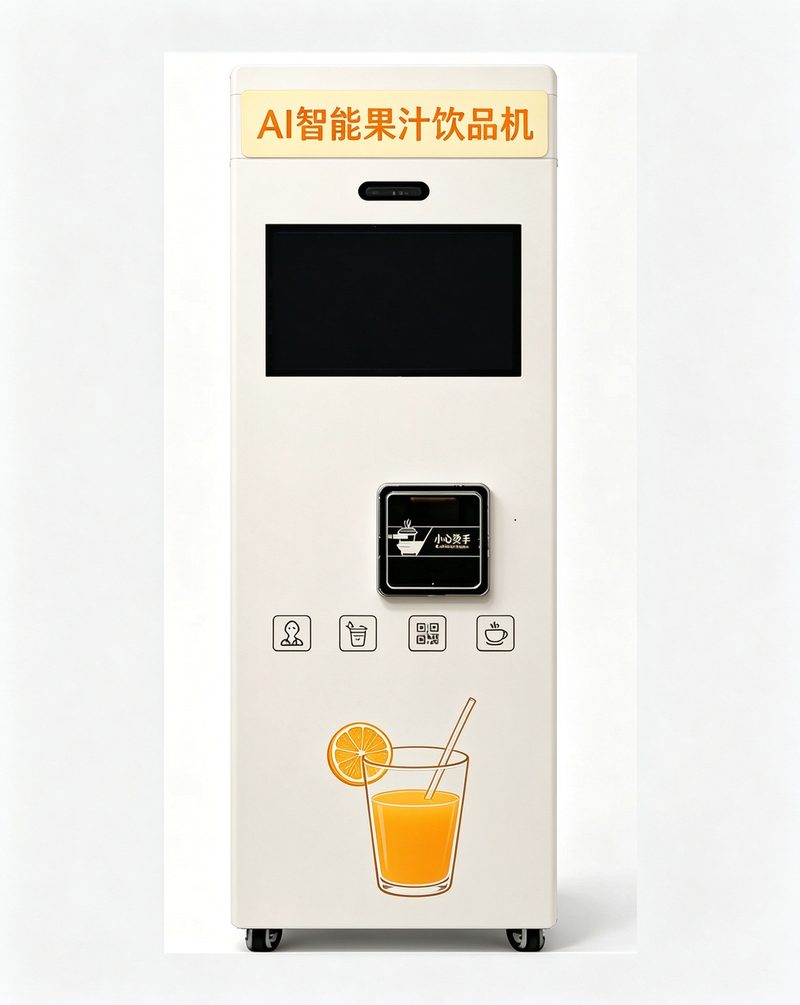
Accessibility Around a Standing Cabinet
A cabinet on a 2 square metres footprint still occupies a corridor. Leave the turning space, keep the screen at a reachable height, and make sure the pickup slot can be used from a seated position - three details that decide whether part of the audience can buy at all.
Ask the host about floor load and door widths before delivery, not after. The site that fits the tape measure on day one never becomes the expensive story later.
Route Math: How Many Sites per Morning
A route is arithmetic with traffic in it. Six to eight sites per morning is the working range for a single van when stops cluster, and the number falls fast once two sites sit on opposite sides of a city.
Cluster first, then count. Operators who plan by geography rather than by urgency serve more machines with the same hours and keep every 2-3 weeks windows honest across the whole fleet.
The Corner Before and After
Six months ago the waiting bench of a vehicle inspection lane was dead floor space - a bin, a poster, and the occasional sigh from an elderly regular who remembers coin machines who wanted an orange juice and had nowhere to get it.
Now there is a commercial juice vending machine against that wall. The routine is unremarkable, which is the compliment: takes two - one now, one for the colleague minding the desk.
The site host walks past without looking up - the highest compliment a placement gets.
Compliance and Site Etiquette
Quiet hours, tidy frontage and clear contact details keep hosts happy; none of it is complicated, all of it is noticed.
Keep the machine's paperwork - model, power, hygiene sheet - on file for venue audits.
Rent, Revenue Share or Hybrid
Flat rent suits a proven site where the operator wants predictability. Revenue share suits an unproven one where the host believes in the traffic. Hybrid splits the difference and is the most common answer in high-rent corners.
Whichever model, insist on honest metering and a written method for counting. The disputes that end placements are almost never about the percentage; they are about whose number is real.
Contract Clauses That Matter
Revenue share conversations go smoother when the venue sees the machine's arithmetic: cups per week at honest footfall, capsule cost, and the share on offer. Numbers first, enthusiasm second.
A commercial juice vending machine proposal with a worked example on one page closes faster than a folder of brochures, and it sets the renewal baseline at the same time.
Contract Clauses That Save Headaches
Power, access hours, quiet hours and move-out terms belong in writing even when the handshake is friendly.
Reading the Ledger Monthly
The busiest week of the year is chosen by the venue, not by the operator. Exam seasons, holidays, and weather move traffic; the restock calendar should move with them rather than argue.
One flexible day per week in the route absorbs most of what a calendar can throw at a fleet.
Remote Diagnostics and What They Miss
A 4G/WiFi module reports stock, faults and sales, and it does that well. What it cannot report is a sticky drip tray, a cup stack placed out of reach, or a host who has quietly unplugged the machine to charge a floor polisher.
So the dashboard ranks visits; it does not replace them. The useful habit is a short physical check on the same trip, because the last metre of diagnosis is still done by hand.
Fees, Access and Exit Terms
Put the boring clauses in writing and in order: who reports faults, response time, cleaning schedule visibility, utility responsibility, and what happens to sales data when either side walks away.
Contracts that answer the quiet questions early never get read in anger later. Every clause written on day one is an argument that never happens in year two.
Negotiating with a Site Host
Site hosts rarely object to the machine; they object to uncertainty. Power draw, floor load, water, cleaning duty, noise - five answers on one page close most conversations before they open.
The second question is always about money, and the honest framing helps: flat rent suits a site with proven traffic, revenue share suits one still being tested, and a small base plus a share splits the difference without either side betting the year.
Whatever the model, two clauses carry the value: access hours that fit the restock route, and a move-out term that lets both sides leave without a lawsuit. Everything else is negotiable furniture.
The Capsule Order That Sets the Year
The first capsule order is a forecast disguised as a purchase. Order too little and the first stockout teaches customers to walk on; order too much and the shelf life decides the loss for you.
The working rule is one full cycle at the site plus a buffer held at the depot, with the mix weighted toward the two lines the site is most likely to repeat. Everything else is a trial row.
Review it at the end of month one with the ledger open. The curve, not the sales rep, should decide the second order - and by month three the order almost writes itself.
When the Site Changes Hands
Hosts move on: a building changes manager, a canteen changes operator, a clinic changes owner. The machine stays, and the relationship that supported it resets to zero.
The operators who survive that reset keep three things current: a named contact with a phone number, a one-page summary of what the machine has done for the site, and a copy of the placement terms in the machine folder.
That page is worth more than any brochure. It converts a new manager's suspicion into a short conversation about numbers - and it usually takes fifteen minutes to write.
The Regular Nobody Recruited
The same face, four weeks running. A forklift driver with gloves tucked in his belt stops at an office park lobby by the mail shelves, taps the screen twice, picks the same drink as always, and is walking away before the cup is full, and the pattern has stopped being a coincidence.
No promotion produced that habit. A machine that is always there, always stocked and always the same cup did it, which is a quieter kind of marketing than anything with a budget.
A site is not won on the first cup; it is won on the fifteenth. By the time the queue reforms, the machine is already serving the next regular.
A Placement, Three Months In
Three months into a placement at a furniture mall staff corridor, the pattern has settled: staff and contractor flow, and the steady base load comes from the fit-out crews. The menu has been trimmed twice - the dashboard ranked the lines, the bottom three went, and nobody wrote in to mourn them.
Nothing dramatic happened, which is the result worth reporting. The machine stayed stocked, the sheet got signed, the ledger matched the capsule invoices, and the host stopped mentioning it - the highest form of approval a placement gets.
What a Working Site Looks Like
The pilot at an office park lobby began as a favour to the site host and turned into the easiest arithmetic in the fleet: weekday morning peaks, Fridays run light and Mondays run heavy, every week. When the second machine conversation started, the first month's ledger did most of the talking.
What the site taught was patience with a shape. Weeks one to three looked like a verdict; weeks four to twelve were the actual answer, and the answer was better than the verdict.
The Ledger Tells the Story
Three months into a placement at a community clinic hallway, the pattern has settled: appointment-schedule traffic, and the queue before lunch is the whole story. The menu has been trimmed twice - the dashboard ranked the lines, the bottom three went, and nobody wrote in to mourn them.
What the site taught was patience with a shape. Weeks one to three looked like a verdict; weeks four to twelve were the actual answer, and the answer was better than the verdict.
What the Dead Floor Space Became
Six months ago the second-floor rest deck of a furniture expo was dead floor space - a bin, a poster, and the occasional sigh from a site foreman counting change he no longer needs who wanted an orange juice and had nowhere to get it.
Now there is a commercial juice vending machine against that wall. The routine is unremarkable, which is the compliment: holds the cup with both hands and says nothing, which is its own review.
The restock note writes itself: the popular line is down one row.
Straight Answers to the Hard Questions
"Sounds like a headache to restock."
The restock route runs every two to three weeks per machine on normal demand, sized by the dashboard rather than by guesswork. One van, one morning, ten sites.
"We tried a vending machine years ago and it was a disaster."
The difference is the telemetry. Stock, faults and sales report themselves now, so a machine that quietly fails gets noticed the same hour - not the following month.
"A machine like that must cost a fortune up front."
Less than the rent deposit for the counter it replaces. The machine is one of eight cost lines, and the payback window runs three to eight months at a site with real foot traffic - the worksheet in this series breaks all eight out.
"Will people trust a drink made by a box?"
They trust the cup more than the counter when the cup is consistent. Capsule brewing means the tenth cup matches the first, and the cleaning sheet posted on the glass does more for confidence than any slogan.
The Week's Route, Written Down
- Monday - Week opens with paperwork - capsule order signed off, one site's access hours re-confirmed by message.
- Tuesday - Long route day - six machines, two top-ups flagged, one nozzle wiped twice.
- Wednesday - Midweek is the quiet read: office sites cool off, clinic and gym sites pick up the slack.
- Thursday - Ledger exported and matched against capsule consumption; one gap investigated.
- Friday - The Friday visit happens before four, because after four the site is a queue and a machine that needs nothing.
- Saturday - Half-day route. The transit site runs hot, the office sites sleep, and the van gets its filters swapped.
- Sunday - Rest day, which is also a system: the alerts keep watch and the ledger keeps counting.
Twelve Months, Two Columns
| Month | What the traffic does | What the operator does |
|---|---|---|
| Jan | New-year footfall is slow to wake; keep the hot lines deep and the route tight. | Budget season: the annual consumables figure gets signed this month. |
| Feb | The post-holiday dip is real; use it for deep cleans and filter changes. | Short month, long queues on the 14th; order the dessert-adjacent capsules early. |
| Mar | Exam season starts on campuses; the library site stops being a quiet placement. | Quarter close: reconcile the ledger and prune the menu bottom. |
| Apr | The first warm spell moves demand later in the day; watch the four o clock hour. | Rain weeks teach you which sites have indoor dwell; note them for the record. |
| May | Warm evenings extend the outdoor sites; chilled options earn their drawer space. | Mid-year route review: cut the weakest ten percent if the ledger says so. |
| Jun | Half-year service check: seals, nozzles, payment terminals. | The first genuinely hot week tells you whether the chilled lines were sized right. |
| Jul | Holiday travel lifts transit and hotel sites for roughly three weeks. | Office sites go quiet and tourist corridors take over; move the route, not the menu. |
| Aug | Use the lull for operator training and contract renewals. | Capsule storage gets hot in August; check the stockroom before the shelf life does. |
| Sep | Back-to-routine week is the second new year; footfall snaps back fast. | Campus sites refill; the coffee line at eight in the morning comes back overnight. |
| Oct | The hot-drink golden window opens; the curve steepens week on week. | The first cold snap is worth a route note: it usually front-loads the month by a week. |
| Nov | Year-end host meetings: renewals, shares, next-year placements. | Cold-weather peak builds; popular lines deserve a double buffer. |
| Dec | The last week is dead in offices and frantic in transit; stock for one and rest for the other. | Festive peaks everywhere except the empty offices; plan the route around both. |
From the Operator's Notebook
My first site taught me the arithmetic; my fourth taught me the cleaning sheet, which is the part that scales.
There is a version of this business that runs on charm, and it works until the charming person takes a holiday. the capsule rotation is the version that survives the holiday.
I used to think the machine was the business. Four hundred route stops later, the honest version: the machine is the storefront, and the business is the first-month readings around it.
How It Stacks Up
| The old way | What it costs | Where it fails | What the machine changes |
|---|---|---|---|
| Staffed counter | A rota to fill, holidays to cover, overtime at the edges | Shuts when the last person leaves | A commercial juice vending machine covers the closed hours without a rota |
| Traditional coin vending | Coin floats, collection trips, notes that jam | Problems surface as complaints, weeks late | Payment and faults report themselves the same hour |
| Corner cafe | Rent, fit-out, staffed peaks | Fixed menu, fixed hours | Capsule range rotates at the restock visit, not by renovation |
| Line | What it pours | Where it fits best | Restock rhythm |
|---|---|---|---|
| Coffee machine | Espresso, americano, latte | Offices, hotels, waiting areas | Restock every 2-3 weeks |
| Milk tea machine | Milk tea and tea lines | Malls, adult-education campuses, staff rooms | Restock every 2-3 weeks |
| Juice machine | Fruit lines, chilled options | Gyms, cinemas, family venues | Restock every 2-3 weeks |
| Herbal tea machine | Herbal and traditional teas | Hospitals, tea houses, late shifts | Restock every 2-3 weeks |
A Checklist Worth Printing
- Agree restock cadence and access hours in writing
- Price one cycle of capsules before promising a payback figure
- Walk the cleaning sheet on every visit, not from memory
- Review alerts quarterly and remove the noisy ones
- Test the payment terminal on the site's own network
- Agree the refund rule before the first complaint, not after
- Check the pickup slot height against the host's accessibility notes
- Set a two-week buffer at the depot, not at the site
- Confirm who empties the bin beside the cabinet
- Photograph the installation for the machine folder
- Keep one experimental line per machine and review it monthly
- Note the site's quiet hours before scheduling a service visit
The Takeaway
Keep the worksheet alive after installation - it costs nothing to maintain and answers most debates.
Common questions
Can I run twenty sites alone?
Up to a point - routes planned from live data are what make small fleets workable with one service person.
Who prepares the site?
The host clears the spot and power; the operator brings levelling, testing and the first capsule load.
Does the machine need a water line?
Many units run without plumbing; confirm the water arrangement for the specific model during placement prep.
Rent or revenue share?
Flat rent suits steady sites, share suits unproven ones; hybrids split the difference.
Can the menu change without a technician?
Yes - capsule menus change at the restock visit; nothing on the machine needs touching.
Is there a contract lock-in?
Placement terms vary by venue; trial periods with clear move-out terms are common and sensible.
What if payment fails mid-vend?
The vend is voided, the ledger records it, and the posted refund rule handles the customer the same day.
What happens during a power cut?
The machine resumes when power returns; in-flight vends are voided and refunded per the posted rule.
Related reading
- A Buyer's Checklist for the Commercial Juice Vending Machine
- Negotiating the Spot for An Unmanned Juice Machine
- Placement Playbook for the Unattended Juice Corner
- After-Sales Planning for the Self-Service Fruit Drink Machine
Summary
A friendly handshake and a written contract are not opposites; this page supplies the writing part for commercial juice vending machine placements.
Book a commissioning slot only after the checklist above is signed off.