Site Agreements for a Capsule Juice Machine
In one line: A friendly handshake and a written contract are not opposites; this page supplies the writing part for capsule juice machine placements.
Key facts: Exit terms matter more than entry terms; a clean removal clause is what keeps hosts saying yes.
What Separates a Busy Unit from a Quiet One
Operators who run the capsule juice machine learn quickly which numbers move first when the site changes. Treat the checklist items as questions to answer in writing, not as advice to agree with.
Three Ways to Split Revenue
- Flat rent - simple, the site keeps the upside
- Revenue share - both sides ride the same curve
- Hybrid - a small base plus a share, common in malls
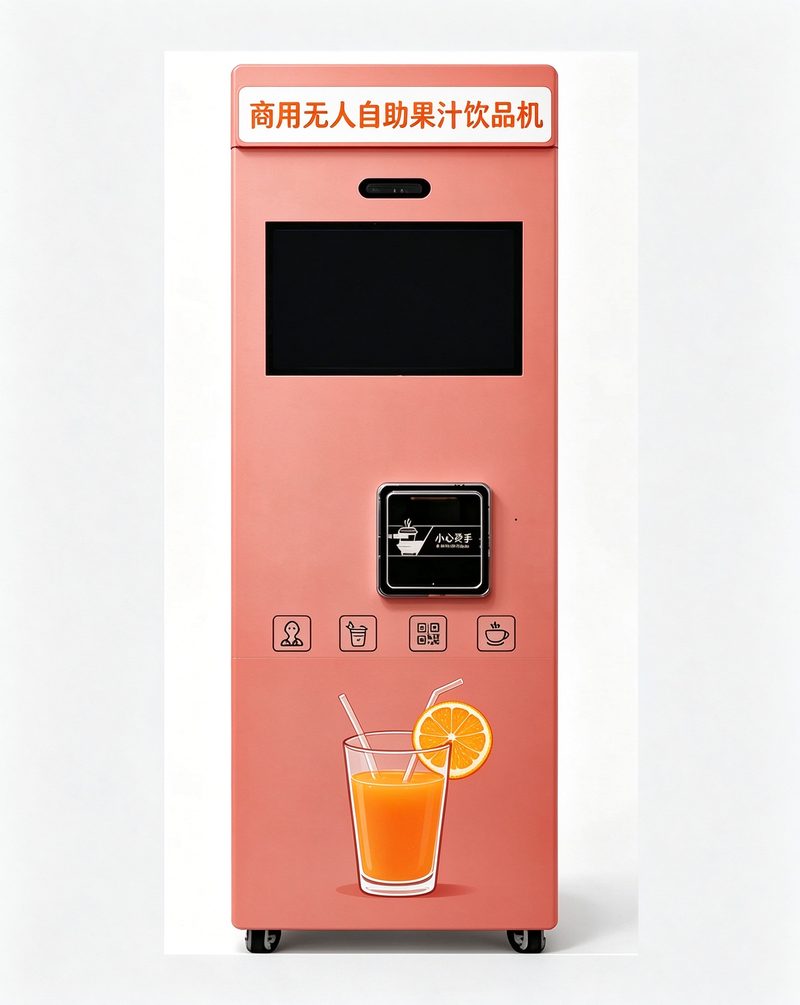
Placement Models Compared
| Model | Fits | Watch for |
|---|---|---|
| Flat rent | Steady, proven sites | Rent eats slow months |
| Revenue share | Unproven placements | Honest metering |
| Hybrid | Malls, high-rent corners | Base plus share clarity |
From the Service Route
The operator's van stops at the tea area of a light-industrial plant on a route that will cover six more machines before noon. The dashboard has already ranked the visit: stock fine, no faults, one line running low.
While the drawers are topped, a gym regular towel over the shoulder wanders up; the sale happens between two tasks, takes two - one now, one for the colleague minding the desk.
This is what unattended means in practice - not absence, but attention aimed exactly where the data says. The site host walks past without looking up - the highest compliment a placement gets.
The Repair That Was a Training Problem
Half the service calls that look mechanical are somebody pressing the wrong thing. The machine reports a fault, the operator drives out, and the fix is a restart plus a sentence of instruction that was never given.
Before dispatching a technician, read the last ten minutes of the event log. If the same code appears after the same action three times, the fault is in the routine, not in the hardware - and the cheapest repair is a laminated card taped inside the door.
Structural or Seasonal
A bad month is either seasonal or structural, and the two demand opposite responses. Seasonal means the site will recover on its own; structural means it will not, and waiting costs a quarter.
The tell is the shape of the week rather than the size of the month: a seasonal dip keeps its weekday rhythm and shrinks evenly, while a structural one loses the peak first. Compare the same weekday across three months before concluding anything.
Reading a Slow Month
A slow month has four usual causes: holidays, weather, a fault nobody reported, or a host who changed something. Only one of them is about the machine.
Check the fault log first, then the venue calendar, then the menu. Blaming the location before checking the log is how operators talk themselves out of a good site.
The Three Days After a Breakdown
A breakdown costs the repair plus three days of habit. The first day the regulars wait, the second they try the place next door, and by the third some of them have decided they prefer it.
That is why the useful metric is time to first cup after a fault, not mean time between faults. A machine that fails twice a year and recovers in an hour is cheaper than one that fails once and is out for a week.
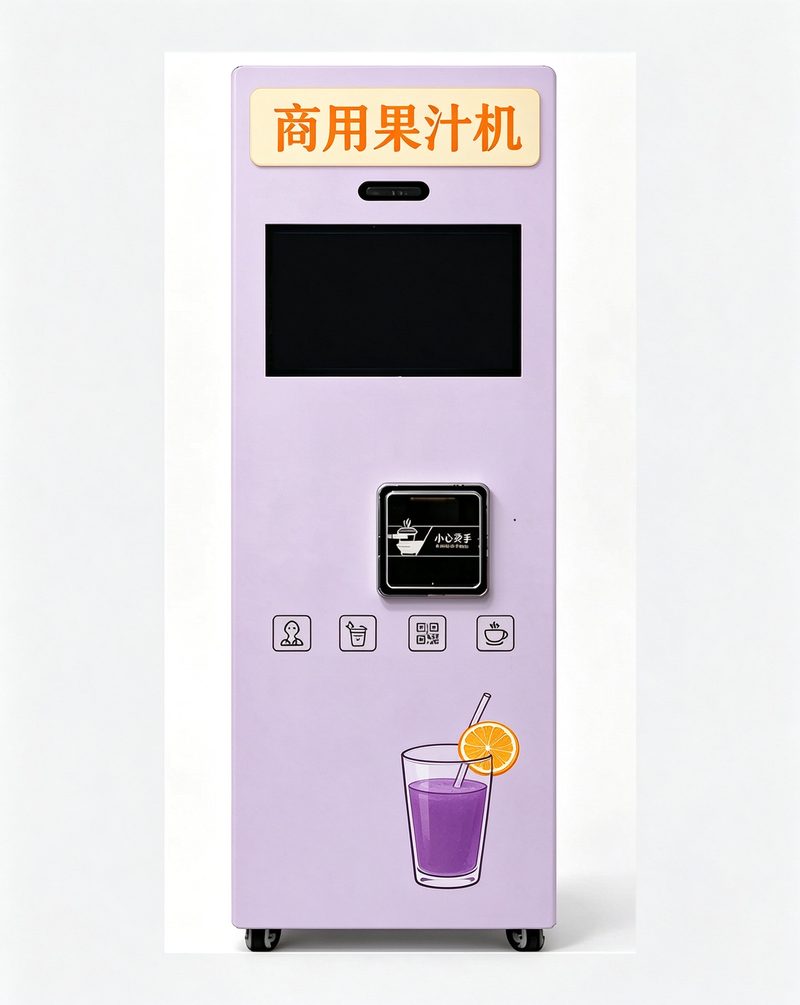
Contract Clauses That Matter
Revenue share conversations go smoother when the venue sees the machine's arithmetic: cups per week at honest footfall, capsule cost, and the share on offer. Numbers first, enthusiasm second.
A capsule juice machine proposal with a worked example on one page closes faster than a folder of brochures, and it sets the renewal baseline at the same time.
A Menu for the Morning Only
Some sites sell ninety percent of their cups before eleven. Running a full-day menu there means stocking lines that expire before they sell, and paying for shelf space that never trades.
A morning menu is not a smaller menu; it is a different one - faster to vend, simpler to restock, and honest about the fact that the site closes at two. Review it when the building's pattern changes, not on a calendar.
The Hour Nobody Staffs
By ten at night the tea area of a light-industrial plant has emptied out, and the capsule juice machine is the only lit thing in the corridor. The site closes at six; the traffic does not.
A teacher marking papers between classes is the customer now - the one who cannot buy an orange juice anywhere else at this hour, and who will remember that tomorrow.
Anyone pricing a placement on daytime footfall alone is pricing half a site. The site host walks past without looking up - the highest compliment a placement gets.
Where the Queue Stands
A machine beside a till queue is invisible until the queue clears; a machine twenty metres from the queue is a separate decision. Placement relative to an existing line of people decides more than the machine's own visibility.
Stand where a customer stands at the busiest hour and look for the machine. If you have to move, it is in the wrong place - and moving it before installation is free.
Lessons From the First Quarter
A quiet machine is a trusted machine. Lights that work, a screen that answers, a pickup area wiped between rounds — these say more about the operation than any panel sticker.
Trust compounds quietly, in renewal conversations and in the passers-by who finally stop. It is the only marketing an unattended corner truly owns.
Training the Site Contact, Not Just the Operator
The person who works beside the machine every day is the first responder, whether or not anyone planned it that way. Ten minutes with them - where the cups live, what the screen means when it flashes, which number to call - converts a stalled machine into a two-minute fix.
Give the site one page, laminated, taped inside the cabinet door. Sites that have it report fewer avoidable calls; sites without it call about the same three things for a year.
The Cup That Does Not Fit
Cup dimensions look like a detail until a stack sits too tight in the chute or a lid will not seat. Machines are built around a nominal size, and the tolerance is smaller than most buyers assume.
Test the actual cup you intend to buy, not the one in the brochure, and test a full stack rather than a single cup. A mismatch discovered on installation day is a week of lost sales and an argument about whose specification was wrong.
The Two-Minute Morning Check
Most faults announce themselves before they stop the machine: a slow vend, a faint noise, a cup chute that sits slightly high. A two-minute check at opening catches a share of them while they are still cheap.
Keep it to four items and put them on a card: cup stack height, water or capsule level, a test vend, and a wipe of the outlet. Four items get done; a twelve-item checklist gets signed without being read.
What Buyers Compare Before They Call
Buyers compare four things before they ever pick up the phone: footprint against the space they have, drink range against their audience, service terms against their own staff, and the all-in first-year number against their budget.
Answer those four on one page and the first call becomes a conversation about a site, not an interrogation about a brochure. A capsule juice machine that states 3-8 months payback without the assumptions behind it invites exactly the questions nobody wants.
The Case for Fewer, Better Sites
A fleet of ten average sites costs more to serve than a fleet of six good ones: the same van hours, the same capsule handling, half the revenue concentration, twice the host relationships to babysit.
The walkthrough exists to say no. A site that fails two of the placement checks - dwell time, visibility, access hours - will fail them forever, politely, while consuming the same service capacity as a winner.
Pruning is not retreat. Every weak site traded up to a better corner raises the fleet's average, simplifies the route, and frees the operator's attention for the placements that compound.
The Consumables Ledger
Capsules, cups, lids, cleaning supplies - the consumables line is where tidy operators and messy ones part company, because it is the one line that scales perfectly with sales and therefore audits itself.
The discipline is simple: fix the per-cup figure with the supplier, record deliveries against machine consumption monthly, and investigate any gap wider than normal wastage. The gap is rarely theft; it is usually unlogged demos, damaged goods, or a site pouring two lines nobody priced.
A clean consumables ledger also arms the next negotiation - volume committed in writing is the cheapest discount a supplier will ever give.
The Corner Before and After
Six months ago the tea area of a light-industrial plant was dead floor space - a bin, a poster, and the occasional sigh from a warehouse clerk racing a timer who wanted an orange juice and had nowhere to get it.
Now there is a capsule juice machine against that wall. The routine is unremarkable, which is the compliment: scans, hesitates over the menu for a second, then picks the new flavour the dashboard has been quietly promoting.
The dashboard records it as one line; the day's curve bends up almost imperceptibly.
A Placement, Three Months In
The pilot at a wholesale market office row began as a favour to the site host and turned into the easiest arithmetic in the fleet: early-morning trade, the first two hours outsell the afternoon. When the second machine conversation started, the first month's ledger did most of the talking.
Half the value came from what was removed: two slow lines, one noisy alert, and a promotion that discounted the only product everybody bought at full price anyway.
What a Working Site Looks Like
The pilot at a wholesale market office row began as a favour to the site host and turned into the easiest arithmetic in the fleet: early-morning trade, the first two hours outsell the afternoon. When the second machine conversation started, the first month's ledger did most of the talking.
The first month argued with the second and lost. What looked like a slow start was a queue forming in the wrong half hour - once the route moved the restock earlier, the same site sold the same cups with half the empty rows.
The Ledger Tells the Story
The pilot at a hotel corridor by the lifts began as a favour to the site host and turned into the easiest arithmetic in the fleet: late-evening demand, nights outperform the average once the tour groups check in. When the second machine conversation started, the first month's ledger did most of the talking.
No single number makes the case; the shape does. Cups per week climb through the ramp, plateau where the site's rhythm settles, and the menu mix flattens the seasonal dips. When the host asks what it would take to add a second unit, the answer is a copy of the first one's ledger.
A Cup in the Middle of a Workday
The first cold night of the season at the morning queue inside a produce wholesale gate. The queue at the coffee counter downstairs is eight deep; the capsule juice machine has three cups' worth of waiting in it, and no queue.
A delivery rider helmet in hand holds the cup with both hands and says nothing, which is its own review, then goes back upstairs with the cup still in hand - a two-minute errand that a staffed counter would have turned into ten.
Speed is not a luxury feature here; it is the placement's whole economics. The restock note writes itself: the popular line is down one row.
Straight Answers to the Hard Questions
"Doesn't it need plumbing and rewiring?"
A household power line and two square metres cover it. Most placements are standing and selling the same week the site agreement is signed.
"We tried a vending machine years ago and it was a disaster."
The difference is the telemetry. Stock, faults and sales report themselves now, so a machine that quietly fails gets noticed the same hour - not the following month.
"A machine like that must cost a fortune up front."
Less than the rent deposit for the counter it replaces. The machine is one of eight cost lines, and the payback window runs three to eight months at a site with real foot traffic - the worksheet in this series breaks all eight out.
"Sounds like a headache to restock."
The restock route runs every two to three weeks per machine on normal demand, sized by the dashboard rather than by guesswork. One van, one morning, ten sites.
A Week on the Route, Logged
- Monday - Route planned from the weekend's dashboard; the week's capsule order confirmed.
- Tuesday - The long run: four sites before ten, two after lunch, one drawer rotated while the kettle boiled.
- Wednesday - Midweek dip on the office sites; herbal line restocked at the clinic cluster.
- Thursday - Ledger exported and matched against capsule consumption; one gap investigated.
- Friday - The Friday visit happens before four, because after four the site is a queue and a machine that needs nothing.
- Saturday - Weekend shift: fewer sites, more cleaning. Two drip trays, one filter, and a machine that looks new again.
- Sunday - Nothing scheduled. Alerts forwarded to the phone, one dashboard glance at noon, no wheels turned.
Twelve Months, Two Columns
| Month | Traffic pattern | Route decision |
|---|---|---|
| Jan | The quietest fortnight of the year - good for audits, bad for optimism. | Budget season: the annual consumables figure gets signed this month. |
| Feb | The post-holiday dip is real; use it for deep cleans and filter changes. | Valentine week bends the coffee and milk-tea lines upward for ten days. |
| Mar | Spring footfall returns with the weather; fruit lines start their climb. | Exam season starts on campuses; the library site stops being a quiet placement. |
| Apr | A good month to trial one new capsule line per machine. | The first warm spell moves demand later in the day; watch the four o clock hour. |
| May | Warm evenings extend the outdoor sites; chilled options earn their drawer space. | Mid-year route review: cut the weakest ten percent if the ledger says so. |
| Jun | The first genuinely hot week tells you whether the chilled lines were sized right. | Half-year service check: seals, nozzles, payment terminals. |
| Jul | Peak heat shifts demand; the curve moves later into the evening. | Office sites go quiet and tourist corridors take over; move the route, not the menu. |
| Aug | The slowest office month; the tourist corridors carry the fleet instead. | Use the lull for operator training and contract renewals. |
| Sep | Order winter capsule volumes early - the ramp catches late buyers. | Campus sites refill; the coffee line at eight in the morning comes back overnight. |
| Oct | The hot-drink golden window opens; the curve steepens week on week. | Autumn fairs and exhibitions fill the trade-hall sites. |
| Nov | Cold-weather peak builds; popular lines deserve a double buffer. | Darkness at five changes the traffic shape; the evening hour gains, the lunch hour thins. |
| Dec | Close the ledger, thank the hosts, and let the dashboard write the next order. | Festive peaks everywhere except the empty offices; plan the route around both. |
From the Operator's Notebook
My first site taught me the arithmetic; my fourth taught me the host conversation, which is the part that scales.
If I could send one paragraph back to my first order, it would be this - the cleaning sheet is not a purchase, it is a schedule, and the schedule is written in the ledger whether you look at it or not.
The dashboard is honest, the host is honest, and both are approximate. the restock cadence is what turns two approximations into a decision.
How It Stacks Up
| The old way | What it costs | Where it fails | What the machine changes |
|---|---|---|---|
| Staffed counter | A rota to fill, holidays to cover, overtime at the edges | Shuts when the last person leaves | A capsule juice machine covers the closed hours without a rota |
| Traditional coin vending | Cash handling, change runs, slot jams | No telemetry; faults found by complaint | Every sale logged, every fault alerted |
| Corner cafe | A lease, a build-out, a barista roster | Menu changes mean reprinting and retraining | The menu changes when the capsule order does |
| Model line | Core drinks | Best-fit venues | Service rhythm |
|---|---|---|---|
| Coffee machine | Espresso, americano, latte | Office lobbies, clinics, showrooms | Restock every 2-3 weeks |
| Milk tea machine | Milk tea and tea lines | Retail floors, schools, factory canteens | Restock every 2-3 weeks |
| Juice machine | Fruit lines, chilled options | Gyms, cinemas, family venues | Restock every 2-3 weeks |
| Herbal tea machine | Herbal and traditional teas | Clinics, wellness floors, night sites | Restock every 2-3 weeks |
A Checklist Worth Printing
- Ask the host where hot drinks are usually bought nearby
- Walk the cleaning sheet on every visit, not from memory
- Note the site's quiet hours before scheduling a service visit
- Review alerts quarterly and remove the noisy ones
- Confirm footprint and power before signing the placement
- Record the host's renewal date where the route can see it
- Photograph the installation for the machine folder
- Price one cycle of capsules before promising a payback figure
- Export the ledger monthly and match it to consumption
- Keep a laminated contact card inside the cabinet door
- Fix the price list at launch and review it quarterly
- Date capsule boxes and rotate first in, first out
The Takeaway
Keep the worksheet alive after installation - it costs nothing to maintain and answers most debates.
Common questions
Rent or revenue share?
Flat rent suits steady sites, share suits unproven ones; hybrids split the difference.
Is there a contract lock-in?
Placement terms vary by venue; trial periods with clear move-out terms are common and sensible.
What if payment fails mid-vend?
The vend is voided, the ledger records it, and the posted refund rule handles the customer the same day.
What happens if a flavour runs out?
The dashboard flags the line before it empties; the next route carries the buffer.
What is the usual payback window?
The planning band is 3-8 months, set mainly by site quality and the local price of a cup.
How long does installation take?
On a prepared site, commissioning is typically finished in under an hour: position, power, network check and a run of test cups.
What happens during a power cut?
The machine resumes when power returns; in-flight vends are voided and refunded per the posted rule.
Can I run twenty sites alone?
Up to a point - routes planned from live data are what make small fleets workable with one service person.
The machines behind this article
Related reading
- Capsule Juice Machine Payments: Offline Cases and Reconciliation
- Capsule Supply Chains for the Unmanned Juice Machine
- Unmanned Juice Machine FAQ: What Buyers Ask First
- Commissioning Day for the Hotel Juice Dispenser
Summary
A friendly handshake and a written contract are not opposites; this page supplies the writing part for capsule juice machine placements.
Ask for the placement shortlist template before choosing sites.