Site Agreements for an Unmanned Juice Machine
In one line: Three ways to split revenue, four clauses that prevent arguments, one exit path for both sides - the unmanned juice machine placement contract in a page.
Key facts: Flat rent fits proven sites, revenue share fits unproven ones, hybrid fits malls - the metering must be honest in all three.
What Separates a Busy Unit from a Quiet One
Budget holders ask about the unmanned juice machine in cost language; operators answer in shift language. Practical detail comes first; the summary only appears once the detail is on the table.
Three Ways to Split Revenue
- Flat rent - simple, the site keeps the upside
- Revenue share - both sides ride the same curve
- Hybrid - a small base plus a share, common in malls
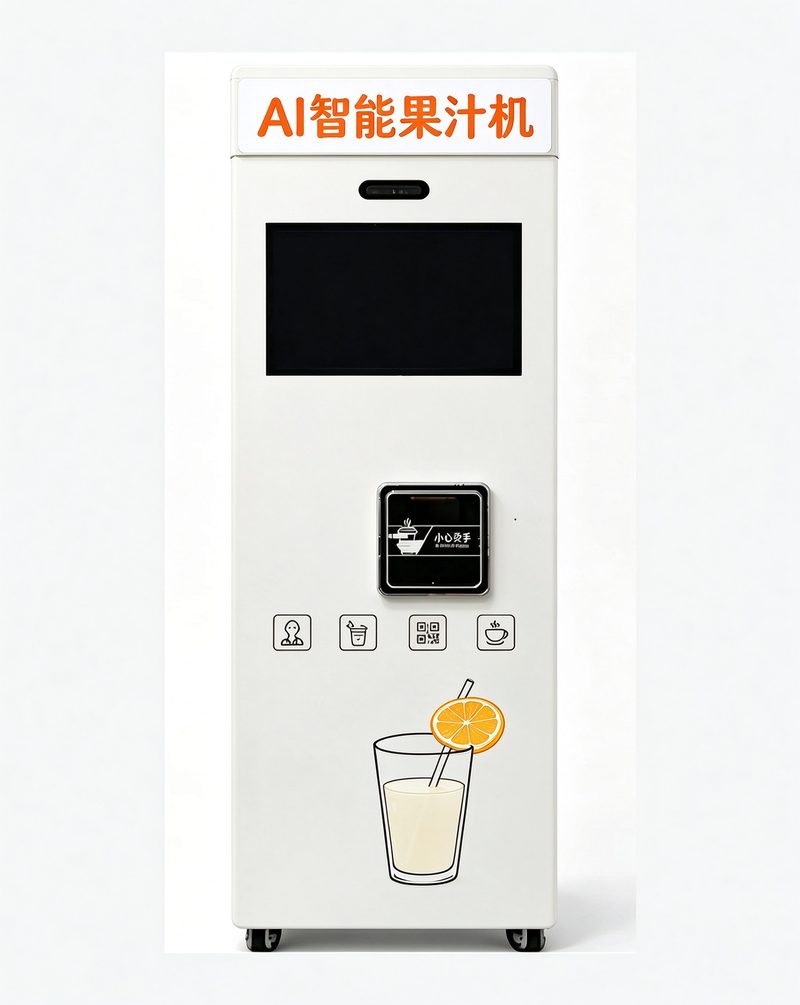
Placement Models Compared
| Model | Fits | Watch for |
|---|---|---|
| Flat rent | Steady, proven sites | Rent eats slow months |
| Revenue share | Unproven placements | Honest metering |
| Hybrid | Malls, high-rent corners | Base plus share clarity |
The Regular Nobody Recruited
The same face, four weeks running. An intern rehearsing a presentation stops at the second-floor rest deck of a furniture expo, taps the screen twice, picks the same drink as always, and is walking away before the cup is full, and the pattern has stopped being a coincidence.
No promotion produced that habit. A machine that is always there, always stocked and always the same cup did it, which is a quieter kind of marketing than anything with a budget.
A site is not won on the first cup; it is won on the fifteenth. By the time the queue reforms, the machine is already serving the next regular.
Waste, Cups and the Bins Beside the Cabinet
Cups leave the machine and land somewhere. Confirm with the host where they go and who empties that bin, because a full bin beside a cabinet is the fastest way to lose a placement that is working.
Where the site separates waste, put a second bin within arm's reach. The cost is one bin; the benefit is a host who stops mentioning the machine in meetings.
The Second Vandalism Incident
One incident is bad luck; two in the same place is information. The second tells you whether the site is exposed by location, by lighting, or by the fact that nobody is around after ten.
Before spending on cameras, change what is cheap to change: move the cabinet into sight of a window, add light, shorten the unattended hours. Hardware deters the casual attempt; placement deters the determined one.
Renewals Based on Numbers
Review each placement quarterly against its first-month numbers, together with the venue. Machines that drift down get a fix plan; machines that drift up get a renewal conversation early.
The joint review turns the contract from a filed document into a working relationship — and working relationships survive the corridor redesign or the management change that kills unwritten ones.
Contract Clauses Worth Reading Twice
Four clauses carry most of the risk in a placement: access hours for the restock van, who pays for power, what happens if the host changes use of the space, and how either side exits without penalty.
None of them needs a lawyer to draft, and all of them are cheaper to agree before the cabinet is bolted down. An unmanned juice machine that cannot be serviced inside the host's hours is a machine that will miss its every 2-3 weeks rhythm sooner or later.
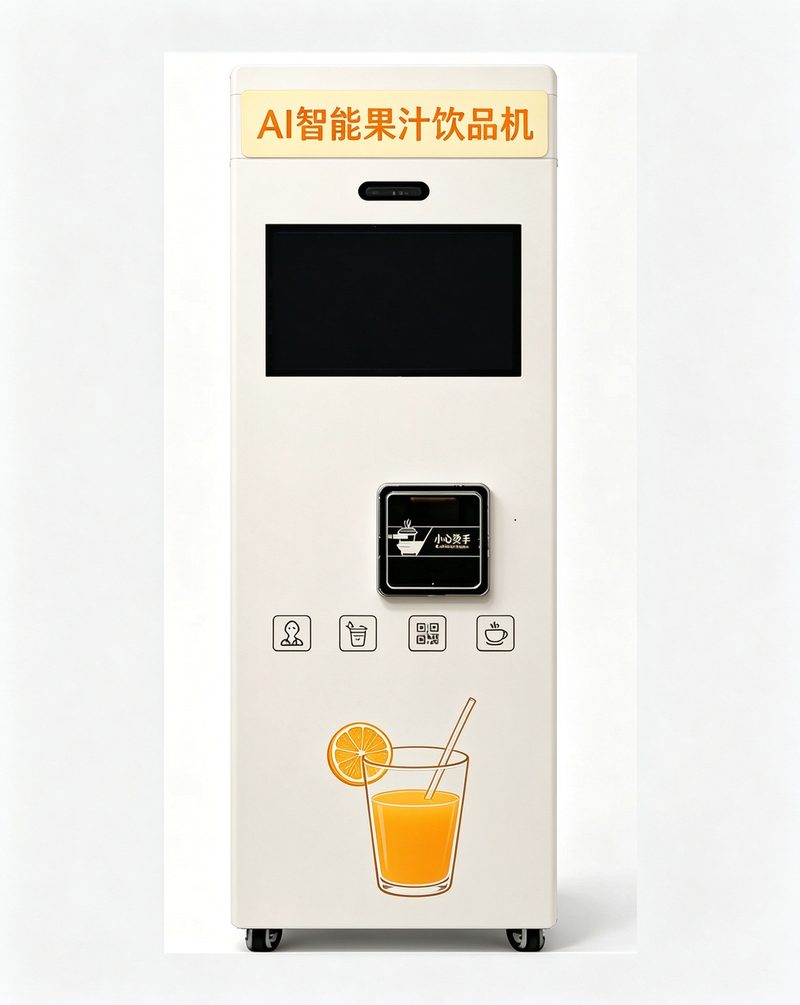
Fees, Access and Exit Terms
Put the boring clauses in writing and in order: who reports faults, response time, cleaning schedule visibility, utility responsibility, and what happens to sales data when either side walks away.
Contracts that answer the quiet questions early never get read in anger later. Every clause written on day one is an argument that never happens in year two.
The Site That Is Too Good
A site that outperforms its model is a risk disguised as a success. It usually means the host has not yet noticed how much money is moving through their lobby.
Expect the renegotiation and prepare for it: keep the ledger clean, report the numbers before they are asked for, and offer a revision tied to volume rather than waiting to be handed one. The operator who brings the spreadsheet keeps the site.
From the Service Route
The operator's van stops at a night-school corridor on a route that will cover six more machines before noon. The dashboard has already ranked the visit: stock fine, no faults, one line running low.
While the drawers are topped, a night porter on his round wanders up; the sale happens between two tasks, collects the cup, checks the cap out of habit, and folds back into the corridor traffic.
This is what unattended means in practice - not absence, but attention aimed exactly where the data says. The restock note writes itself: the popular line is down one row.
A Complaint Is a Signal, Not a Verdict
The first complaint about a site usually describes a real defect in a clumsy way. The customer says the coffee tastes burnt; the actual problem is a heater cycling two degrees high.
Treat the complaint as a pointer and check the machine data before defending the product. Operators who answer the data find the fault; operators who answer the words find an argument.
Reporting Across Sites
A report that grows with the fleet stops being read at about site twelve. The fix is not a better dashboard but a shorter one: same five lines for every site, ranked, with exceptions above them.
The lines worth keeping are cups per day, net per cup, stockouts, faults and the age of the oldest unresolved complaint. Everything else is available on request, which is where it belongs.
Contract Clauses That Save Headaches
Power, access hours, quiet hours and move-out terms belong in writing even when the handshake is friendly.
Contract Clauses That Matter
Revenue share conversations go smoother when the venue sees the machine's arithmetic: cups per week at honest footfall, capsule cost, and the share on offer. Numbers first, enthusiasm second.
An unmanned juice machine proposal with a worked example on one page closes faster than a folder of brochures, and it sets the renewal baseline at the same time.
What Gets Wiped, and When
The cleaning that matters is not the deep clean; it is the ninety seconds between customers - a wiped tray, a cleared cup chute, a lid bin emptied before it looks full. A cabinet cleaned once a week reads as dirty by Thursday.
Write the routine on the inside of the door in four lines, and stock the cloth where the person standing there can reach it. Cleaning routines fail for lack of a cloth far more often than for lack of willingness.
The Metric Nobody Reports: Cups Lost to Faults
Operators report cups sold and rarely report cups not sold. A unit that is down for six hours at peak has a cost that never appears in a sales report, and therefore never appears in a decision.
Estimate it: peak-hour cups per hour from the ledger, times hours down, times a recovery factor below one. The number is rough and it changes priorities immediately, because it is usually larger than the maintenance budget.
A Pilot Is Not a Small Site
A pilot exists to produce a decision, and a site exists to produce a margin. Confusing the two is how operators end up with six machines in six buildings and no idea which one works.
Run a pilot with an explicit question attached: does the traffic show up, does the host leave the machine alone, does the routine survive a normal week. Three questions, one month, one written answer.
A site, by contrast, is judged on the ledger: cups, net and complaints. Once the question is answered, the unmanned juice machine either becomes a site or is removed - and the decision should be made on the day the month closes, not whenever somebody gets round to it.
Documentation That Saves a Service Call
Most service calls are archaeology: what changed, when, and who noticed first. A machine folder that holds the commissioning sheet, the filter log, the cleaning history and the fault timeline turns a mystery into a diagnosis before the van door opens.
The habit costs a minute per visit and pays for itself the first time a technician asks 'has anything changed recently?' and gets an answer instead of a shrug.
It also changes the tone of warranty conversations. A documented machine gets the benefit of the doubt; an undocumented one gets a debate.
The Person Who Quietly Runs It
The same face, four weeks running. A warehouse clerk racing a timer stops at the second-floor rest deck of a furniture expo, waits the forty seconds scrolling a phone, pockets the receipt without looking at it, and the pattern has stopped being a coincidence.
No promotion produced that habit. A machine that is always there, always stocked and always the same cup did it, which is a quieter kind of marketing than anything with a budget.
A site is not won on the first cup; it is won on the fifteenth. The restock note writes itself: the popular line is down one row.
A Placement, Three Months In
Three months into a placement at a logistics warehouse rest area, the pattern has settled: shift-change traffic, and the morning peak carries the day. The menu has been trimmed twice - the dashboard ranked the lines, the bottom three went, and nobody wrote in to mourn them.
What made the site work was unglamorous: a cabinet in sight of a window, a restock on the day the building was quiet, and a host who knew exactly who to call.
What a Working Site Looks Like
Three months into a placement at an office park lobby, the pattern has settled: weekday morning peaks, and Fridays run light and Mondays run heavy, every week. The menu has been trimmed twice - the dashboard ranked the lines, the bottom three went, and nobody wrote in to mourn them.
Two decisions carried the quarter: the menu was cut from nine lines to six, and the restock moved from Friday to Wednesday. Neither was clever. Both came straight off the dashboard, and both showed up in the ledger within three weeks.
The Ledger Tells the Story
Three months into a placement at a coach station waiting row, the pattern has settled: departures-board waves, and each delayed departure buys another round of cups. The menu has been trimmed twice - the dashboard ranked the lines, the bottom three went, and nobody wrote in to mourn them.
The host's own staff ended up doing the small things - topping cups, wiping the tray - and that informal care showed up as fewer complaints than any service level agreement would have delivered.
One Customer, Four Weeks Straight
The same face, four weeks running. A warehouse clerk racing a timer stops at a driving-school waiting shelter, takes two - one now, one for the colleague minding the desk, and the pattern has stopped being a coincidence.
No promotion produced that habit. A machine that is always there, always stocked and always the same cup did it, which is a quieter kind of marketing than anything with a budget.
A site is not won on the first cup; it is won on the fifteenth. The site host walks past without looking up - the highest compliment a placement gets.
Straight Answers to the Hard Questions
"What about hygiene inspections?"
A capsule system keeps the wet parts few and the routine short; the cleaning sheet and the service log are exactly what an inspector asks to see.
"We tried a vending machine years ago and it was a disaster."
The difference is the telemetry. Stock, faults and sales report themselves now, so a machine that quietly fails gets noticed the same hour - not the following month.
"How do I know the numbers are real?"
Every order carries its own reference and exports monthly against capsule consumption. You reconcile a report, not a shoebox of receipts.
"Doesn't it need plumbing and rewiring?"
A household power line and two square metres cover it. Most placements are standing and selling the same week the site agreement is signed.
The Week's Route, Written Down
- Monday - Dashboard review first: two sites ran hot over the weekend, so their rows go to the front of the van.
- Tuesday - Long route day - six machines, two top-ups flagged, one nozzle wiped twice.
- Wednesday - Midweek is the quiet read: office sites cool off, clinic and gym sites pick up the slack.
- Thursday - Books day. The monthly figure gets compared to the site's own count, and the two agree within normal wastage.
- Friday - Peak-site visit before the evening rush; contact card replaced at one unit.
- Saturday - Half-day route. The transit site runs hot, the office sites sleep, and the van gets its filters swapped.
- Sunday - Silent day by design - alerts on, phone on, van parked.
Twelve Months, Two Columns
| Month | What the traffic does | What the operator does |
|---|---|---|
| Jan | New-year footfall is slow to wake; keep the hot lines deep and the route tight. | Budget season: the annual consumables figure gets signed this month. |
| Feb | The post-holiday dip is real; use it for deep cleans and filter changes. | Valentine week bends the coffee and milk-tea lines upward for ten days. |
| Mar | Spring footfall returns with the weather; fruit lines start their climb. | Exam season starts on campuses; the library site stops being a quiet placement. |
| Apr | Rain weeks teach you which sites have indoor dwell; note them for the record. | The first warm spell moves demand later in the day; watch the four o clock hour. |
| May | Warm evenings extend the outdoor sites; chilled options earn their drawer space. | Holiday Mondays distort the weekly curve; compare like with like before judging a site. |
| Jun | The first genuinely hot week tells you whether the chilled lines were sized right. | Half-year service check: seals, nozzles, payment terminals. |
| Jul | Office sites go quiet and tourist corridors take over; move the route, not the menu. | Peak heat shifts demand; the curve moves later into the evening. |
| Aug | The slowest office month; the tourist corridors carry the fleet instead. | Use the lull for operator training and contract renewals. |
| Sep | Campus sites refill; the coffee line at eight in the morning comes back overnight. | Back-to-routine week is the second new year; footfall snaps back fast. |
| Oct | Autumn fairs and exhibitions fill the trade-hall sites. | The hot-drink golden window opens; the curve steepens week on week. |
| Nov | Year-end host meetings: renewals, shares, next-year placements. | Darkness at five changes the traffic shape; the evening hour gains, the lunch hour thins. |
| Dec | Close the ledger, thank the hosts, and let the dashboard write the next order. | Festive peaks everywhere except the empty offices; plan the route around both. |
From the Operator's Notebook
The machine never argues. It just records what you did about the site walkthrough, and hands the record back at the end of the quarter.
There is a version of this business that runs on charm, and it works until the charming person takes a holiday. the cleaning sheet is the version that survives the holiday.
The best placement advice I ever got fit on a napkin: the capsule rotation decides the curve, and the curve decides everything else.
How It Stacks Up
| The old way | What it costs | Where it fails | What the machine changes |
|---|---|---|---|
| Staffed counter | Wages every month, plus training and turnover | Open only as long as someone stands there | A unmanned juice machine sells the hours the counter never could |
| Traditional coin vending | Coin floats, collection trips, notes that jam | Problems surface as complaints, weeks late | Payment and faults report themselves the same hour |
| Corner cafe | A lease, a build-out, a barista roster | Menu changes mean reprinting and retraining | The menu changes when the capsule order does |
| Model line | Core drinks | Best-fit venues | Service rhythm |
|---|---|---|---|
| Coffee machine | Espresso, americano, latte | Office lobbies, clinics, showrooms | Restock every 2-3 weeks |
| Milk tea machine | Milk tea and tea lines | Retail floors, schools, factory canteens | Restock every 2-3 weeks |
| Juice machine | Fruit lines, chilled options | Gyms, cinemas, family venues | Restock every 2-3 weeks |
| Herbal tea machine | Herbal and traditional teas | Clinics, wellness floors, night sites | Restock every 2-3 weeks |
A Checklist Worth Printing
- Price one cycle of capsules before promising a payback figure
- Keep a laminated contact card inside the cabinet door
- Confirm footprint and power before signing the placement
- Keep one seal and nozzle kit per ten machines
- Agree restock cadence and access hours in writing
- Note the site's quiet hours before scheduling a service visit
- Test payment on site before the host's opening hour
- Log the first month's cup curve against the plan
- Ask the host where hot drinks are usually bought nearby
- Test the payment terminal on the site's own network
- Photograph the installation for the machine folder
- Write the power draw and floor load into the site agreement
The Takeaway
The plan that survives contact with a busy site is the one written with the operator, not merely for them.
Common questions
Does the machine need a water line?
Many units run without plumbing; confirm the water arrangement for the specific model during placement prep.
What is the usual payback window?
The planning band is 3-8 months, set mainly by site quality and the local price of a cup.
Is there a contract lock-in?
Placement terms vary by venue; trial periods with clear move-out terms are common and sensible.
How often do filters change?
By litres, not by date: the interval is set from measured hardness and logged on the sheet.
What if payment fails mid-vend?
The vend is voided, the ledger records it, and the posted refund rule handles the customer the same day.
How are capsules shipped and stored?
Stackable dated boxes, dry storage off the floor, first-in-first-out rotation at the depot.
Rent or revenue share?
Flat rent suits steady sites, share suits unproven ones; hybrids split the difference.
What happens during a power cut?
The machine resumes when power returns; in-flight vends are voided and refunded per the posted rule.
Related machines
Related reading
- Running a Gym Juice Vending Machine Day to Day
- After-Sales Planning for the Self-Service Fruit Drink Machine
- Self-Service Juice Vending Machine Answers for Importers and Operators
- Installing An Office Juice Station: Timeline and Checklist
Summary
Three ways to split revenue, four clauses that prevent arguments, one exit path for both sides - the unmanned juice machine placement contract in a page.
Send the site's foot-traffic notes and the capsule shortlist will follow.