Shelf Life and Rotation for Office Coffee Station Stock
In one line: Capsules are the consumable backbone of an office coffee station - light, dated and stackable, which makes the supply chain a scheduling exercise.
Key facts: Multi-site fleets split warehousing - a depot holds the reserve so no single site waits on a shipment.
What Separates a Busy Unit from a Quiet One
The office coffee station specification matters; the commissioning checklist matters more. Everything here is written to be checked on site rather than admired in a deck.
First Order Sizing
Size the first capsule order on the restock cadence, not on enthusiasm: every 2-3 weeks per machine under normal demand, plus one buffer cycle.
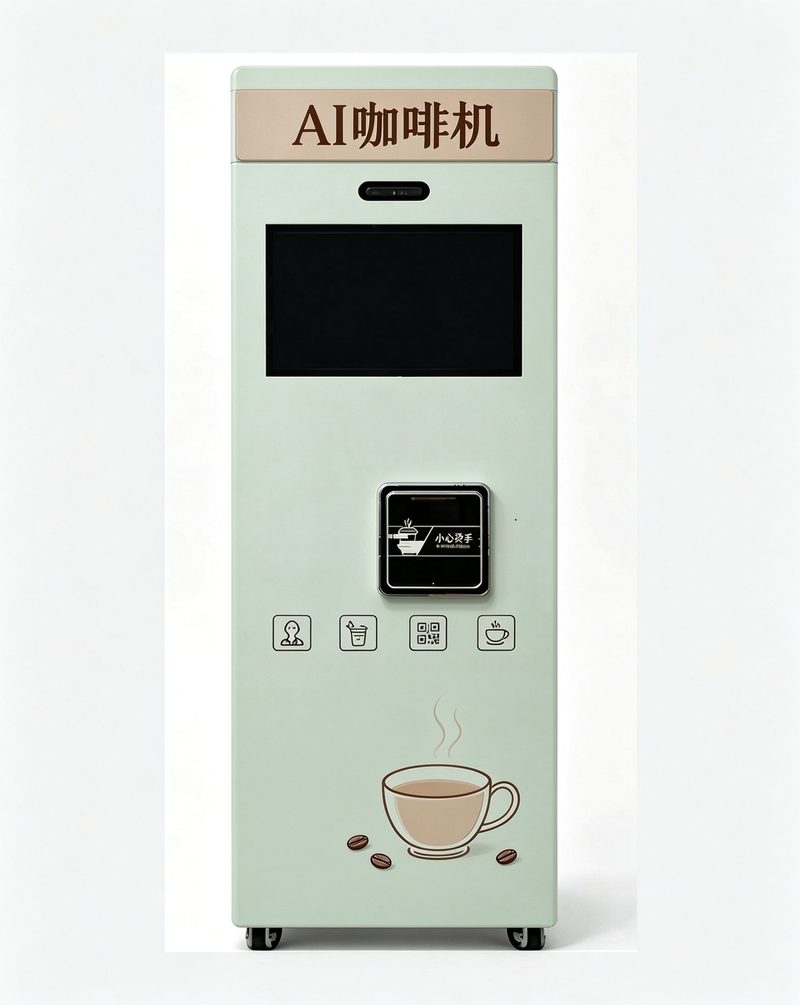
Supply Rules by Stage
| Stage | Rule | Buffer |
|---|---|---|
| First order | One full cycle plus buffer | One visit set |
| Storage | Dry, dated, off the floor | FIFO rotation |
| Peak season | Order earlier | Half a cycle extra |
| Multi-site | Split warehousing | Depot holds the reserve |
The Person Who Quietly Runs It
The same face, four weeks running. A night porter on his round stops at a co-working floor pantry, taps the screen twice, picks the same drink as always, and is walking away before the cup is full, and the pattern has stopped being a coincidence.
No promotion produced that habit. A machine that is always there, always stocked and always the same cup did it, which is a quieter kind of marketing than anything with a budget.
A site is not won on the first cup; it is won on the fifteenth. It is the fourth cup this corner has sold since the hour began.
Cleaning Products That Damage the Machine
The wrong cleaner costs more than the right one. Solvent-based sprays cloud polycarbonate panels, chlorine left on stainless pits it, and a wet cloth around a socket turns a routine wipe into a service call.
Keep one approved cleaner per surface and write it on the inside of the door: food-contact areas, screens, and the outside shell are three different jobs. A cleaner who has to guess will use the strongest thing on the van.
Queues, Layout and the Second Cabinet
A single cabinet serves about three customers a minute at its best; beyond that the queue becomes the advertisement nobody wants. The second unit is justified by queue length, not by revenue alone.
Place the second cabinet beside the first rather than across the room. Two machines in one sightline share a queue, a restock trip and a fault log; two across a lobby share nothing but a landlord.
Knowing When to Walk Away
The most expensive sites are the ones that should have been declined: access that cannot be reached at the hour the site needs, a share that leaves nothing, or a host who has already decided the machine is a nuisance.
Write down the three conditions that make a site unacceptable before touring, and apply them without negotiation in the first month. Saying no early is cheaper than exiting in year two, and it protects the routes that do work.
The Report Nobody Reads
A monthly report with fourteen charts gets opened once. A report with three lines gets read every month, and the three lines are the ones that change a decision: cups, net, and what broke.
Send it on the same date every month, in the same shape, with one sentence at the top saying what changed. Consistency is what turns a report into a habit, and habits are what make a host trust the operator.
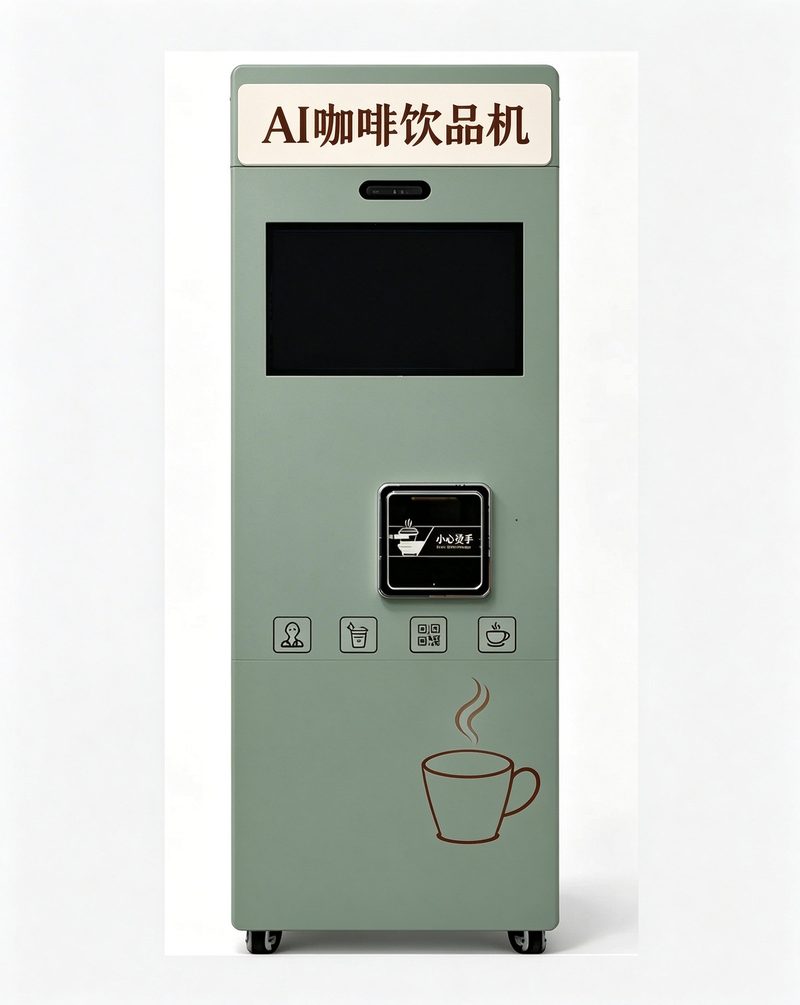
What Buyers Compare Before They Call
Buyers compare four things before they ever pick up the phone: footprint against the space they have, drink range against their audience, service terms against their own staff, and the all-in first-year number against their budget.
Answer those four on one page and the first call becomes a conversation about a site, not an interrogation about a brochure. An office coffee station that states 3-8 months payback without the assumptions behind it invites exactly the questions nobody wants.
Price Ladder and Cup Sizes
Two sizes and three prices cover most sites: a small cup that undercuts the nearby cafe, a large one that beats it on volume, and a middle line that exists to make the large look reasonable.
The ladder should be readable in one glance. If a customer needs to compare four prices to choose, the menu is doing the operator's work for them, badly.
The Regular Nobody Recruited
The same face, four weeks running. A first-time visitor following the signs stops at the driver room of a cold-chain depot, takes two - one now, one for the colleague minding the desk, and the pattern has stopped being a coincidence.
No promotion produced that habit. A machine that is always there, always stocked and always the same cup did it, which is a quieter kind of marketing than anything with a budget.
A site is not won on the first cup; it is won on the fifteenth. The sale lands in the ledger before the door swings shut.
The Season the Site Forgets
Every site has a month it forgets: the week between holidays, the exam period, the shutdown for maintenance. Consumption drops and nobody tells the operator, so the next restock arrives into an empty building.
Ask the host for their calendar once a year and put the dates in the system. Two minutes of typing prevents a delivery that sits untouched for a fortnight and a stock rotation problem in the drawer.
When the Host Adds a Second Building
A host who adds a building is a warm lead with a known history: they already know how the machine behaves, who restocks it and what the reporting looks like.
Offer the second site as an extension of the first, not as a new deal. Same terms, same contact, one added line on the invoice - the friction of a new contract is what usually kills the second placement.
The Real Cost of a Custom Menu
A custom menu looks like a product decision and behaves like an operations one. Each added line is another capsule to stock, another shelf position, another thing to run out at the wrong moment.
Price it in restock complexity rather than in development cost: how many lines can this site's drawer hold, and how many of them will still be selling in month three. Most custom menus shrink by half once the ledger is read.
Counting Footfall Without a Sensor
A camera-free way to size a site: count for twenty minutes at the worst time of day, then again at the best. The ratio between them says more about the venue than the daily total does.
Write down what people are doing while they wait, not just how many pass. Two hundred people walking past a cabinet convert worse than forty who queue beside it for four minutes.
Being Recognised as Staff
In a shared building, the person refilling a cabinet is read as either staff or stranger within about ten seconds, and the difference decides whether anyone reports a fault to them.
A lanyard, a name on the contact card, and a habit of greeting the front desk cost almost nothing. They turn three separate visits into a relationship the site can use.
What Procurement Asks That Operations Cannot Answer
A procurement team asks about liability, insurance, invoicing terms and the legal entity on the contract. An operator answers questions about cups and queues. The gap between those two conversations is where deals stall for weeks.
Bring one page to the first meeting: entity name, invoice type, payment terms, insurance position, and who signs. None of it is technical, and all of it is what the buyer needs before they can even schedule the real conversation.
What a Site Buys Besides a Machine
A host signing a placement is not buying equipment. They are buying the removal of a small recurring problem: the eleven o'clock queue, the complaint about the coffee run, the gap in the amenities list. The machine is the packaging.
Ask what problem is being removed and the conversation changes shape. A host removing complaints cares about reliability and a phone number; a host adding income cares about the split and the report. Same cabinet, two different contracts.
Operators who cannot answer that question in the host's own words end up defending features. Operators who can end up discussing duration, which is where the money actually is.
The Economics of One Extra Machine
Adding a second unit to a site is not double the business. It is the same traffic split across two positions, plus the customers who never queued before, minus the fixed cost of another cabinet, another restock stop and another thing that can break.
The honest test is a queue measurement: if the morning peak regularly produces more than a few minutes of waiting, a second unit adds sales. If not, it adds cost and halves the utilisation of both.
There is a third case worth naming: two units in two positions in the same building, which is not one site with two machines but two sites sharing a route. That is usually the better version of the investment, and it is decided by the walkthrough rather than the spreadsheet.
The Corner Before and After
Six months ago a bus terminal mezzanine near the ticket gates was dead floor space - a bin, a poster, and the occasional sigh from a wholesaler tallying receipts on a crate who wanted a flat white and had nowhere to get it.
Now there is a office coffee station against that wall. The routine is unremarkable, which is the compliment: scans, hesitates over the menu for a second, then picks the new flavour the dashboard has been quietly promoting.
It is the fourth cup this corner has sold since the hour began.
A Placement, Three Months In
Three months into a placement at a gym entrance corridor, the pattern has settled: class-timetable surges, and the evening class change is the golden window. The menu has been trimmed twice - the dashboard ranked the lines, the bottom three went, and nobody wrote in to mourn them.
What made the site work was unglamorous: a cabinet in sight of a window, a restock on the day the building was quiet, and a host who knew exactly who to call.
What a Working Site Looks Like
Three months into a placement at a coach station waiting row, the pattern has settled: departures-board waves, and each delayed departure buys another round of cups. The menu has been trimmed twice - the dashboard ranked the lines, the bottom three went, and nobody wrote in to mourn them.
No single number makes the case; the shape does. Cups per week climb through the ramp, plateau where the site's rhythm settles, and the menu mix flattens the seasonal dips. When the host asks what it would take to add a second unit, the answer is a copy of the first one's ledger.
The Ledger Tells the Story
Three months into a placement at a coach station waiting row, the pattern has settled: departures-board waves, and each delayed departure buys another round of cups. The menu has been trimmed twice - the dashboard ranked the lines, the bottom three went, and nobody wrote in to mourn them.
The quarter's lesson was about the restock hour, not the menu. Moving the visit ninety minutes earlier recovered the morning peak, and the peak turned out to be most of the site.
An Informal Caretaker
The same face, four weeks running. A teacher marking papers between classes stops at the corridor outside a hospital waiting hall, scans, hesitates over the menu for a second, then picks the new flavour the dashboard has been quietly promoting, and the pattern has stopped being a coincidence.
No promotion produced that habit. A machine that is always there, always stocked and always the same cup did it, which is a quieter kind of marketing than anything with a budget.
A site is not won on the first cup; it is won on the fifteenth. It is the fourth cup this corner has sold since the hour began.
Straight Answers to the Hard Questions
"The shop next door already sells drinks."
A shop sells drinks when someone is behind the counter. The machine sells at seven in the morning, at eleven at night, and every minute the shutters are down - it is a different business, not a rival.
"Can it really run unattended all day?"
That is the design brief: uptime, alerts and a route. The machine does the shift work; you do the arithmetic.
"How do I know the numbers are real?"
Every order carries its own reference and exports monthly against capsule consumption. You reconcile a report, not a shoebox of receipts.
"Who fixes it when something goes wrong?"
The faults that actually happen - a clogged nozzle, a payment hiccup - are site-side fixes measured in minutes, which is why the parts kit lives in the service van. Anything rarer is a module swap under the service terms you negotiated.
The Week's Route, Written Down
- Monday - Week opens with paperwork - capsule order signed off, one site's access hours re-confirmed by message.
- Tuesday - Long route day - six machines, two top-ups flagged, one nozzle wiped twice.
- Wednesday - Halfway check on capsule depth; one line is running ahead of plan and earns a second row next visit.
- Thursday - Reconciliation morning - cups sold against capsules issued, and the one discrepancy traced to a demo cup.
- Friday - Peak-site visit before the evening rush; contact card replaced at one unit.
- Saturday - Weekend shift: fewer sites, more cleaning. Two drip trays, one filter, and a machine that looks new again.
- Sunday - Nothing scheduled. Alerts forwarded to the phone, one dashboard glance at noon, no wheels turned.
Twelve Months, Two Columns
| Month | Traffic pattern | Route decision |
|---|---|---|
| Jan | Budget season: the annual consumables figure gets signed this month. | New-year footfall is slow to wake; keep the hot lines deep and the route tight. |
| Feb | The post-holiday dip is real; use it for deep cleans and filter changes. | Short month, long queues on the 14th; order the dessert-adjacent capsules early. |
| Mar | Quarter close: reconcile the ledger and prune the menu bottom. | Exam season starts on campuses; the library site stops being a quiet placement. |
| Apr | A good month to trial one new capsule line per machine. | The first warm spell moves demand later in the day; watch the four o clock hour. |
| May | Warm evenings extend the outdoor sites; chilled options earn their drawer space. | Mid-year route review: cut the weakest ten percent if the ledger says so. |
| Jun | Half-year service check: seals, nozzles, payment terminals. | Exam and event season bends public-hall sites; stock ahead of the dates. |
| Jul | Peak heat shifts demand; the curve moves later into the evening. | Office sites go quiet and tourist corridors take over; move the route, not the menu. |
| Aug | Use the lull for operator training and contract renewals. | The slowest office month; the tourist corridors carry the fleet instead. |
| Sep | Order winter capsule volumes early - the ramp catches late buyers. | Back-to-routine week is the second new year; footfall snaps back fast. |
| Oct | The first cold snap is worth a route note: it usually front-loads the month by a week. | Autumn fairs and exhibitions fill the trade-hall sites. |
| Nov | Year-end host meetings: renewals, shares, next-year placements. | Darkness at five changes the traffic shape; the evening hour gains, the lunch hour thins. |
| Dec | Close the ledger, thank the hosts, and let the dashboard write the next order. | Festive peaks everywhere except the empty offices; plan the route around both. |
Three Things the Route Taught Me
Nobody warns you that the hard part is not buying the machine. It is the alert settings, done the same way in month nine as in month one.
There is a version of this business that runs on charm, and it works until the charming person takes a holiday. the move-out clause is the version that survives the holiday.
I stopped chasing new sites for three months and fixed the alert settings instead. Revenue went up without a single new placement.
How It Stacks Up
| The old way | What it costs | Where it fails | What the machine changes |
|---|---|---|---|
| Staffed counter | Wages every month, plus training and turnover | Open only as long as someone stands there | A office coffee station sells the hours the counter never could |
| Traditional coin vending | Cash handling, change runs, slot jams | No telemetry; faults found by complaint | Every sale logged, every fault alerted |
| Corner cafe | A lease, a build-out, a barista roster | Menu changes mean reprinting and retraining | The menu changes when the capsule order does |
| Line | What it pours | Where it fits best | Restock rhythm |
|---|---|---|---|
| Coffee machine | Espresso, americano, latte | Office lobbies, clinics, showrooms | Restock every 2-3 weeks |
| Milk tea machine | Milk tea and tea lines | High streets, campuses, food courts | Restock every 2-3 weeks |
| Juice machine | Fruit lines, chilled options | Gyms, cinemas, family venues | Restock every 2-3 weeks |
| Herbal tea machine | Herbal and traditional teas | Clinics, wellness floors, night sites | Restock every 2-3 weeks |
A Checklist Worth Printing
- Agree the refund rule before the first complaint, not after
- Walk the cleaning sheet on every visit, not from memory
- Export the ledger monthly and match it to consumption
- Agree in writing who pays for power and consumables
- Confirm the delivery lift's depth before the van leaves
- Date capsule boxes and rotate first in, first out
- Set the filter calendar by measured water hardness
- Note the host's shift pattern so restocks miss the rush
- Verify the capsule order lead time in weeks, not promises
- Agree a trial period with a written move-out term
- Post the contact and refund rule at the machine
- Walk the route in the order the traffic allows, not the map
The Takeaway
When in doubt, choose the configuration your service round can sustain, not the one the brochure flatters.
Common questions
What does a cup actually cost?
Capsule plus cup plus a share of parts, power and cleaning - the per-cup figure is fixed with the supplier and held against invoices.
Can the menu change without a technician?
Yes - capsule menus change at the restock visit; nothing on the machine needs touching.
How often does someone need to visit?
On normal demand, the restock route lands every 2-3 weeks per machine, with dashboard alerts filling the gaps.
When does the second machine make sense?
When the first one's ledger shows a stable curve and the restock route has spare capacity.
What spare parts should I stock?
Seals and nozzles first, a spare payment terminal, and the fuses that solve site-side faults.
Is there a contract lock-in?
Placement terms vary by venue; trial periods with clear move-out terms are common and sensible.
What happens during a power cut?
The machine resumes when power returns; in-flight vends are voided and refunded per the posted rule.
How are capsules shipped and stored?
Stackable dated boxes, dry storage off the floor, first-in-first-out rotation at the depot.
The machines behind this article
Related reading
- Site Agreements for a Self-Service Coffee Machine
- Budgeting a Commercial Coffee Dispenser Without Surprises
- Settlement and Refunds on a Capsule Coffee Machine
- Site Agreements for a Capsule Coffee Machine
Summary
Capsules are the consumable backbone of an office coffee station - light, dated and stackable, which makes the supply chain a scheduling exercise.
Request the spec sheet and the TCO worksheet together - they read as one document.