From Order to First Cup: 24/7 Coffee Machine Delivery and Setup
In one line: Installing a 24/7 coffee machine is a checklist day: level, power, network, test cups, and a host who knew the plan all along.
Key facts: Production, shipping, customs, site prep, commissioning - five stages, and only the paperwork delays two of them.
Three Threads Run Through Every Purchase
The 24/7 coffee machine placed well and stocked badly will still disappoint the site. If a line looks obvious, it is probably the one that gets skipped and then paid for twice.
From Order to First Cup: The Timeline
Production, shipping, customs, placement prep, commissioning - each stage has a lead time, and the buyer who writes them down sets a realistic first-cup date.
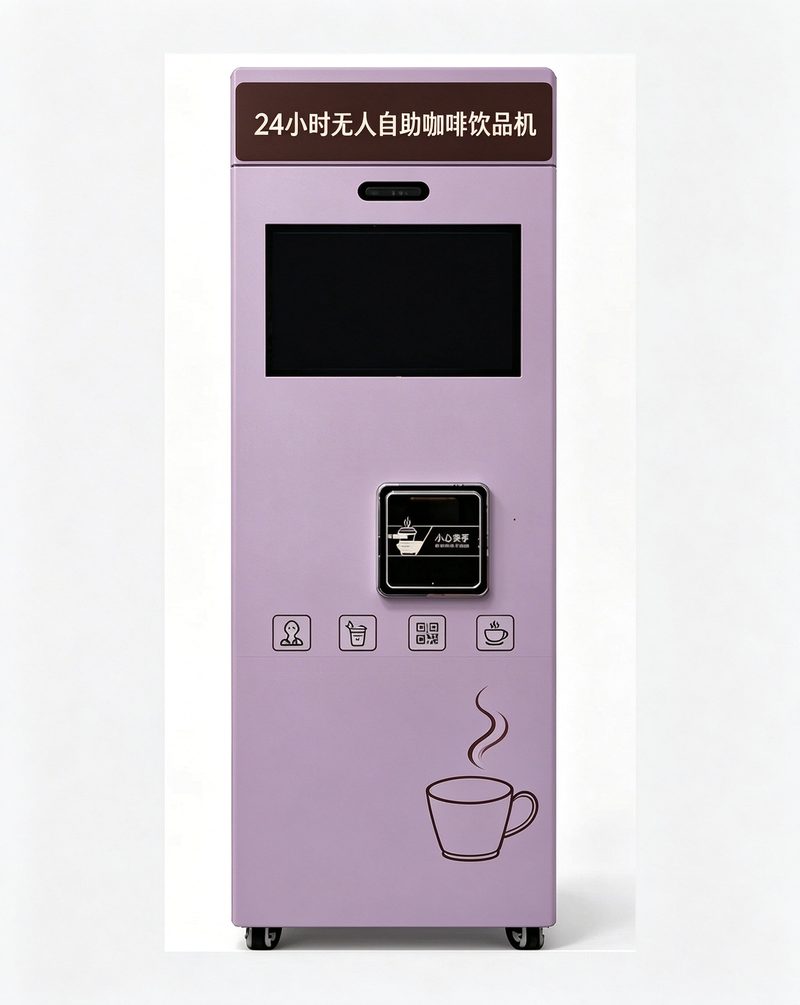
Lead Times by Stage
| Stage | Driver | Owner |
|---|---|---|
| Production | Configuration and queue | Supplier |
| Shipping | Port pair and season | Forwarder |
| Customs | Paperwork completeness | Broker |
| Site prep | Host readiness | Host |
| Commissioning | Checklist day | Operator |
The Month the Building Emptied
The same face, four weeks running. A gym regular towel over the shoulder stops at the morning queue inside a produce wholesale gate, waits the forty seconds scrolling a phone, pockets the receipt without looking at it, and the pattern has stopped being a coincidence.
No promotion produced that habit. A machine that is always there, always stocked and always the same cup did it, which is a quieter kind of marketing than anything with a budget.
A site is not won on the first cup; it is won on the fifteenth. It is the fourth cup this corner has sold since the hour began.
The Two-Minute Morning Check
Most faults announce themselves before they stop the machine: a slow vend, a faint noise, a cup chute that sits slightly high. A two-minute check at opening catches a share of them while they are still cheap.
Keep it to four items and put them on a card: cup stack height, water or capsule level, a test vend, and a wipe of the outlet. Four items get done; a twelve-item checklist gets signed without being read.
Setting Par Levels From the Ledger
Par levels set by feel produce two failures at once: some sites run dry, others carry stock that expires. The ledger already contains the answer - average daily cups by line, times the restock interval, plus a buffer.
Recalculate quarterly rather than annually. A site whose traffic shifted in spring will still be running last year's numbers in autumn, and the symptoms look like a demand problem when they are a planning problem.
The Site That Is Merely Fine
Most sites are fine: they cover their costs, produce a modest margin, and generate no story. The temptation is to spend attention on them because they never complain.
Attention is the scarce input. A fine site needs a standard visit and nothing more; the hours saved belong at the site with a habit forming or a fault repeating. Treating every site as interesting is how routes get slow.
Menu Rotation Without a Kitchen
A capsule menu rotates by the box, not by the recipe, which is why seasonal changes cost a restock decision instead of a renovation. Four lines out, four in, and the drawer tells you within a fortnight whether the read was right.
Keep one experimental row per machine. If it still sells after a month, it graduates; if it dies, the loss is a box, not a build.
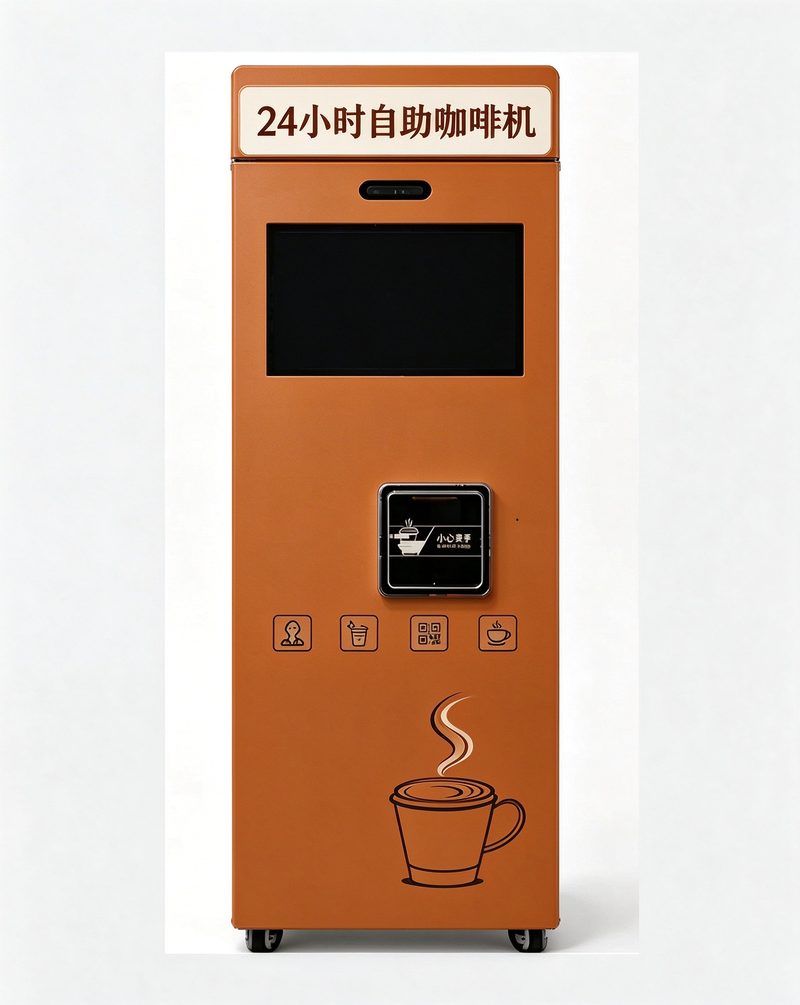
Moving a Machine Three Metres
A move of three metres sounds trivial and costs a day. It needs a power check at the new spot, a floor check, a network check, and a re-commissioning; then the first week at the new position runs on novelty again.
That is why placement deserves the argument it gets. The cheapest move is the one settled in a walkthrough with a measuring tape, before the cabinet is bolted down and the coffee is loaded.
The Three Days After a Breakdown
A breakdown costs the repair plus three days of habit. The first day the regulars wait, the second they try the place next door, and by the third some of them have decided they prefer it.
That is why the useful metric is time to first cup after a fault, not mean time between faults. A machine that fails twice a year and recovers in an hour is cheaper than one that fails once and is out for a week.
Two Floors Down, Another Machine
The same face, four weeks running. A mother waiting out a clinic queue stops at the ferry terminal waiting row, holds the cup with both hands and says nothing, which is its own review, and the pattern has stopped being a coincidence.
No promotion produced that habit. A machine that is always there, always stocked and always the same cup did it, which is a quieter kind of marketing than anything with a budget.
A site is not won on the first cup; it is won on the fifteenth. By the time the queue reforms, the machine is already serving the next regular.
Signage That Answers the First Question
The first question is never about the machine; it is about whether this thing takes the payment in your pocket. Say the payment method, the price range and the drink categories in one glance, and the queue forms faster.
Keep the sign to a single line of text and a single line of pictures. Anything longer is read by nobody and photographed by even fewer.
What Happens to Old Machines
Every fleet eventually holds machines that are worth more as parts than as units. The decision is not sentimental - it is whether the site still earns enough to justify the machine's presence.
Three exits exist: refurbish and redeploy to a lower-traffic site, strip for spares, or sell into a secondary market at a price that reflects the missing service. What never works is leaving a failing unit in place because removing it feels like admitting something.
The Handover Note That Saves a Week
Every site accumulates small knowledge: the socket that trips, the door that sticks, the manager who wants a call before a visit. None of it is in the contract and all of it is in somebody's head.
One page per site, updated on each visit, turns that knowledge into an asset. The test of a good handover note is whether a stranger could restock the site without calling anyone.
The Receipt Nobody Takes
Digital receipts exist mostly for the operator, not the customer. What the customer wants is proof of purchase when the cup does not arrive - and that is a number on a screen, not an email.
Keep a short transaction code on the machine and on the app, so a refund conversation starts with a reference rather than with a description. Sites that do this settle disputes in a minute; sites that do not escalate them.
The Contract Review Nobody Does
Most placement contracts are signed once and read never. The clauses that matter six months later are access hours, the notice period, and who owns the cups.
A fifteen-minute review at signature, with the three clauses highlighted, prevents most of the arguments that end placements early.
Capsule Storage in a Warm Room
Capsules stored next to a boiler or in a south-facing room age faster than the label suggests. Heat softens the seal and the cup starts tasting of the packaging rather than the coffee.
Store at the depot in a cool, dry place and keep only two weeks of stock on site. The rule is simple to state and easy to break, and the symptom - a taste complaint with no machine fault - is hard to trace.
Reading Another Operator's Numbers
Published figures from other operators are useful only if you can name the five inputs behind them. Cup volume, price, consumable cost, site share and route time - without those, a payback number is a mood.
The most common gap is the site share. A payback quoted on revenue before the host's percentage can be twice as fast as the same site after it, and the omission is rarely dishonest, just unexamined.
The second most common is scale: a fleet of two hundred sites spreads fixed costs over a base a fleet of eight cannot touch. Copying their payback without copying their base is how small operators under-price their own risk.
The Machine After the Contract Ends
Every placement has an end: a host changes direction, a site closes, a contract is not renewed. What happens on that day decides the resale value of the asset and the reputation of the operator.
Plan three things in advance - who removes the unit, what happens to unused capsules, and how the site is left - and put them in the agreement while everyone is still friendly.
A machine removed cleanly, with stock accounted for and the floor left as found, can be redeployed within a week. One removed in an argument sits in a depot for a year and reminds every future host of it.
The Corner Before and After
Six months ago the staff room of a furniture mall was dead floor space - a bin, a poster, and the occasional sigh from a security guard off the midnight shift who wanted a flat white and had nowhere to get it.
Now there is a 24/7 coffee machine against that wall. The routine is unremarkable, which is the compliment: holds the cup with both hands and says nothing, which is its own review.
The dashboard records it as one line; the day's curve bends up almost imperceptibly.
A Placement, Three Months In
Three months into a placement at a furniture mall staff corridor, the pattern has settled: staff and contractor flow, and the steady base load comes from the fit-out crews. The menu has been trimmed twice - the dashboard ranked the lines, the bottom three went, and nobody wrote in to mourn them.
Half the value came from what was removed: two slow lines, one noisy alert, and a promotion that discounted the only product everybody bought at full price anyway.
What a Working Site Looks Like
Three months into a placement at a community clinic hallway, the pattern has settled: appointment-schedule traffic, and the queue before lunch is the whole story. The menu has been trimmed twice - the dashboard ranked the lines, the bottom three went, and nobody wrote in to mourn them.
Two decisions carried the quarter: the menu was cut from nine lines to six, and the restock moved from Friday to Wednesday. Neither was clever. Both came straight off the dashboard, and both showed up in the ledger within three weeks.
The Ledger Tells the Story
The pilot at a furniture mall staff corridor began as a favour to the site host and turned into the easiest arithmetic in the fleet: staff and contractor flow, the steady base load comes from the fit-out crews. When the second machine conversation started, the first month's ledger did most of the talking.
The host's own staff ended up doing the small things - topping cups, wiping the tray - and that informal care showed up as fewer complaints than any service level agreement would have delivered.
From the Service Route
The operator's van stops at a trade hall rest nook between exhibition aisles on a route that will cover six more machines before noon. The dashboard has already ranked the visit: stock fine, no faults, one line running low.
While the drawers are topped, a forklift driver with gloves tucked in his belt wanders up; the sale happens between two tasks, waits the forty seconds scrolling a phone, pockets the receipt without looking at it.
This is what unattended means in practice - not absence, but attention aimed exactly where the data says. The dashboard records it as one line; the day's curve bends up almost imperceptibly.
Straight Answers to the Hard Questions
"Who fixes it when something goes wrong?"
The faults that actually happen - a clogged nozzle, a payment hiccup - are site-side fixes measured in minutes, which is why the parts kit lives in the service van. Anything rarer is a module swap under the service terms you negotiated.
"What about hygiene inspections?"
A capsule system keeps the wet parts few and the routine short; the cleaning sheet and the service log are exactly what an inspector asks to see.
"A machine like that must cost a fortune up front."
Less than the rent deposit for the counter it replaces. The machine is one of eight cost lines, and the payback window runs three to eight months at a site with real foot traffic - the worksheet in this series breaks all eight out.
"We tried a vending machine years ago and it was a disaster."
The difference is the telemetry. Stock, faults and sales report themselves now, so a machine that quietly fails gets noticed the same hour - not the following month.
The Week's Route, Written Down
- Monday - Week opens with paperwork - capsule order signed off, one site's access hours re-confirmed by message.
- Tuesday - Route day proper. A payment terminal at the second stop needed a restart; the log records the minute it happened.
- Wednesday - Halfway check on capsule depth; one line is running ahead of plan and earns a second row next visit.
- Thursday - Ledger exported and matched against capsule consumption; one gap investigated.
- Friday - Contact card refreshed at the lobby unit, and the host's new shift supervisor walked through the basics.
- Saturday - Half-day route. The transit site runs hot, the office sites sleep, and the van gets its filters swapped.
- Sunday - Rest day, which is also a system: the alerts keep watch and the ledger keeps counting.
Twelve Months, Two Columns
| Month | What changes | What to do about it |
|---|---|---|
| Jan | Budget season: the annual consumables figure gets signed this month. | The quietest fortnight of the year - good for audits, bad for optimism. |
| Feb | The post-holiday dip is real; use it for deep cleans and filter changes. | Short month, long queues on the 14th; order the dessert-adjacent capsules early. |
| Mar | Spring footfall returns with the weather; fruit lines start their climb. | Quarter close: reconcile the ledger and prune the menu bottom. |
| Apr | Rain weeks teach you which sites have indoor dwell; note them for the record. | The first warm spell moves demand later in the day; watch the four o clock hour. |
| May | Mid-year route review: cut the weakest ten percent if the ledger says so. | Holiday Mondays distort the weekly curve; compare like with like before judging a site. |
| Jun | The first genuinely hot week tells you whether the chilled lines were sized right. | Half-year service check: seals, nozzles, payment terminals. |
| Jul | Holiday travel lifts transit and hotel sites for roughly three weeks. | Office sites go quiet and tourist corridors take over; move the route, not the menu. |
| Aug | Capsule storage gets hot in August; check the stockroom before the shelf life does. | The slowest office month; the tourist corridors carry the fleet instead. |
| Sep | Order winter capsule volumes early - the ramp catches late buyers. | Campus sites refill; the coffee line at eight in the morning comes back overnight. |
| Oct | The first cold snap is worth a route note: it usually front-loads the month by a week. | Autumn fairs and exhibitions fill the trade-hall sites. |
| Nov | Darkness at five changes the traffic shape; the evening hour gains, the lunch hour thins. | Year-end host meetings: renewals, shares, next-year placements. |
| Dec | The last week is dead in offices and frantic in transit; stock for one and rest for the other. | Festive peaks everywhere except the empty offices; plan the route around both. |
Notes I Keep Rewriting
I stopped chasing new sites for three months and fixed the site walkthrough instead. Revenue went up without a single new placement.
The dashboard is honest, the host is honest, and both are approximate. the ledger discipline is what turns two approximations into a decision.
If I could send one paragraph back to my first order, it would be this - the cleaning sheet is not a purchase, it is a schedule, and the schedule is written in the ledger whether you look at it or not.
How It Stacks Up
| The old way | What it costs | Where it fails | What the machine changes |
|---|---|---|---|
| Staffed counter | A rota to fill, holidays to cover, overtime at the edges | Shuts when the last person leaves | A 24/7 coffee machine covers the closed hours without a rota |
| Traditional coin vending | Coin floats, collection trips, notes that jam | Problems surface as complaints, weeks late | Payment and faults report themselves the same hour |
| Corner cafe | Rent, fit-out, staffed peaks | Fixed menu, fixed hours | Capsule range rotates at the restock visit, not by renovation |
| Line | What it pours | Where it fits best | Restock rhythm |
|---|---|---|---|
| Coffee machine | Espresso, americano, latte | Office lobbies, clinics, showrooms | Restock every 2-3 weeks |
| Milk tea machine | Milk tea and tea lines | Malls, adult-education campuses, staff rooms | Restock every 2-3 weeks |
| Juice machine | Fruit lines, chilled options | Gyms, cinemas, family venues | Restock every 2-3 weeks |
| Herbal tea machine | Herbal and traditional teas | Hospitals, tea houses, late shifts | Restock every 2-3 weeks |
A Checklist Worth Printing
- Keep a laminated contact card inside the cabinet door
- Walk the cleaning sheet on every visit, not from memory
- Set a two-week buffer at the depot, not at the site
- Decide who owns the cups before the first order
- Set the filter calendar by measured water hardness
- Walk the route in the order the traffic allows, not the map
- Set stock thresholds on the dashboard before day one
- Compare the monthly ledger to the site's own count once a quarter
- Note the site's quiet hours before scheduling a service visit
- Test the payment terminal on the site's own network
- Date capsule boxes and rotate first in, first out
- Review alerts quarterly and remove the noisy ones
The Takeaway
The plan that survives contact with a busy site is the one written with the operator, not merely for them.
Common questions
Is there a contract lock-in?
Placement terms vary by venue; trial periods with clear move-out terms are common and sensible.
What happens if a flavour runs out?
The dashboard flags the line before it empties; the next route carries the buffer.
What happens during a power cut?
The machine resumes when power returns; in-flight vends are voided and refunded per the posted rule.
What if payment fails mid-vend?
The vend is voided, the ledger records it, and the posted refund rule handles the customer the same day.
Does the machine need a water line?
Many units run without plumbing; confirm the water arrangement for the specific model during placement prep.
What is the usual payback window?
The planning band is 3-8 months, set mainly by site quality and the local price of a cup.
Who prepares the site?
The host clears the spot and power; the operator brings levelling, testing and the first capsule load.
What spare parts should I stock?
Seals and nozzles first, a spare payment terminal, and the fuses that solve site-side faults.
Related machines
Related reading
- Hotel Pantry Coffee Machine Buying Guide: Specs That Actually Matter
- The Weekly Routine Around a Self-Service Coffee Machine
- Keeping a Capsule Coffee Machine Clean Between Rounds
- From Order to First Cup: Unmanned Coffee Machine Delivery and Setup
Summary
Installing a 24/7 coffee machine is a checklist day: level, power, network, test cups, and a host who knew the plan all along.
Ask for the placement shortlist template before choosing sites.