Picking the Spot: Self-Service Herbal Brew Station Placement Notes
In one line: Placement is a reading exercise - hourly traffic, sight lines and access hours - and this page turns it into a checklist.
Key facts: A 2 square metres corner on household power is enough; the binding constraint is access hours for the restock van.
Three Threads Run Through Every Purchase
Once the self-service herbal brew station is installed, the interesting part begins: the ledger either settles or it does not. This page keeps the routine in view, not only the hardware.
Reading Foot Traffic by Hour
Two sites with identical daily totals can behave completely differently: one sells across the day, the other sells twenty cups in two hours.
Match the machine's capsule stock to the shape of the curve, not just its size.
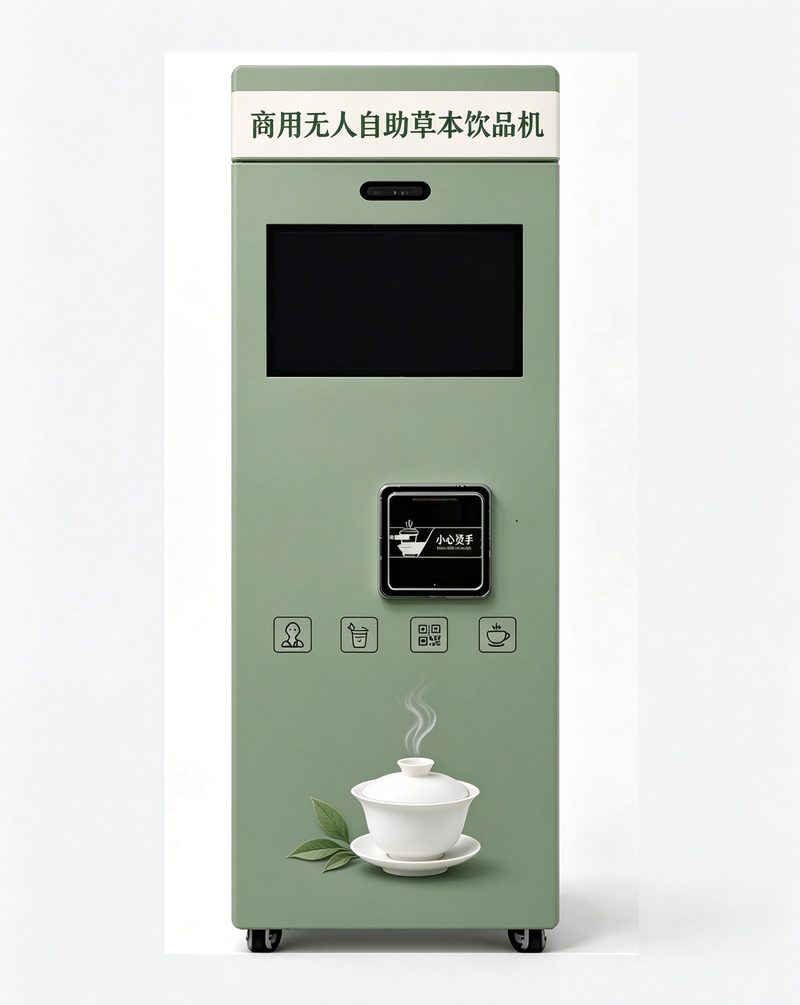
Venue Types and Demand Shapes
| Venue | Demand shape | Watch for |
|---|---|---|
| Factory, workshop | Shift-aligned peaks | Access hours for restock |
| Hotel, hostel | Late-evening cups | Quiet hours, tidy frontage |
| Clinic, public hall | Long waits, steady cups | Hygiene expectations |
| Office | Morning coffee peak | Tea options later in the day |
The Regular Nobody Recruited
The same face, four weeks running. An elderly regular who remembers coin machines stops at the driver room of a cold-chain depot, takes two - one now, one for the colleague minding the desk, and the pattern has stopped being a coincidence.
No promotion produced that habit. A machine that is always there, always stocked and always the same cup did it, which is a quieter kind of marketing than anything with a budget.
A site is not won on the first cup; it is won on the fifteenth. Nobody photographs it; the machine has simply become part of the floor plan.
Handling a Complaint in Front of Others
A complaint voiced at the machine is a performance with an audience, and the audience decides how much damage it does. Answering quietly and fixing it on the spot ends most of them.
The rule worth writing down: never argue about the money at the machine. Refund, then reconcile later. The queue remembers the argument far longer than the operator remembers the five euros.
The Photo You Take on Day One
Photograph the installed unit, the socket, the water connection if there is one, the floor around it and the route in. Ten photographs taken on installation day answer a year of arguments about what was there before.
Store them with the site file, not on somebody's phone. When a host says the machine damaged the floor, the photo either settles it in a minute or proves the claim - both outcomes are useful.
Who Pays for the Trial
Trials are cheap in theory and awkward in practice: who pays for the machine during the trial, who pays for the stock, and what happens to the capsules when the trial ends?
Write the answer before delivery. The usual fair split is a reduced site share during trial and stock sold at cost, with unsold sealed stock returnable. Left vague, this becomes the argument that ends the relationship.
A Contract That Fits a Small Host
Small hosts - a single cafe, a small clinic, a workshop - cannot absorb a contract written for a property company. Length, notice periods and liability clauses designed for a landlord will stall a deal that should take a week.
Keep a short form for them: one page, three obligations each side, a thirty-day exit. The money is smaller but the cycle is faster, and small hosts refer each other in a way property companies never do.
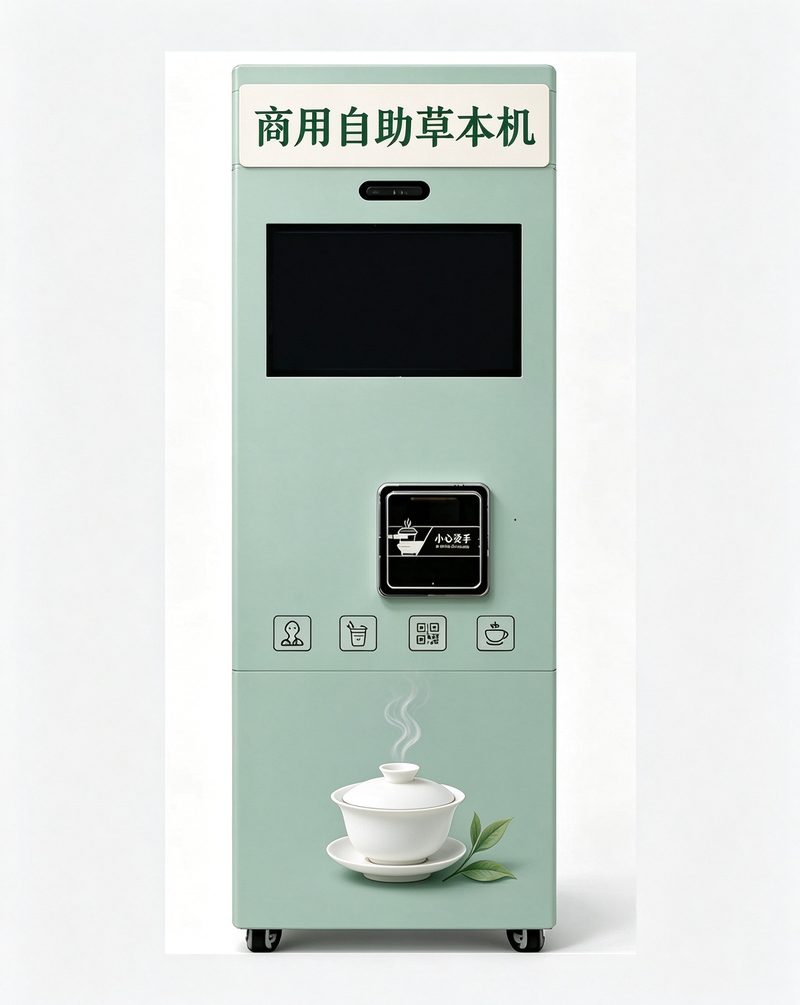
Payment Reconciliation Past the Terminal
The terminal settles; the ledger still has to agree. QR scan-to-pay produces a reference per order, and the operator's job is to match those references against capsules issued and cups sold - three lists that should tell one story.
Disagreements are usually small and always explainable: a demo cup, a voided vend, a refund nobody logged. The habit worth keeping is a weekly match rather than a monthly surprise, because a month of drift takes an afternoon to unpick.
When the Menu Is Too Long
A menu of twenty lines sells like a menu of five, minus the stock risk and the decision time. The extra fifteen exist because somebody liked them in a meeting.
Cut to the two best sellers, one experiment and one line that protects the price ladder. Review monthly; a line nobody orders twice is a line nobody recommends.
One Minute at the Machine
Just before the mid-shift whistle, the back corner of a convenience store. Two nurses sharing a ten-minute break walks up to the self-service herbal brew station and holds the cup with both hands and says nothing, which is its own review. The cup arrives capped, a chrysanthemum herbal tea still warm enough to notice on the walk back.
The site host walks past without looking up - the highest compliment a placement gets.
Multiply that minute by the hours the site is actually awake, and the placement argument writes itself: the machine is not competing with the cafe down the street - it is serving the traffic that never walks there.
Refunds Without an Argument
The rule matters less than its consistency. A refund policy applied the same way every time ends the conversation in twenty seconds; one applied by judgement invites negotiation at the machine.
Write the rule where staff and customers can both see it, and give staff the authority to apply it without escalation. A refund argued about costs more in attention than the drink costs in money.
The Site With Two Decision Makers
Some sites have a buyer and a blocker: procurement signs, facilities can refuse access, and the two do not always agree. Deals that stall usually stalled because only one of them was in the room.
Ask early who else needs to say yes and what they care about. A one-page summary written for the blocker - access hours, noise, waste, cleaning - is often the difference between a signed contract and a polite maybe.
The Folder That Survives You
Every site should survive its operator being unavailable for a week. That requires one folder: the agreement, the par levels, the contact names, the fault history and the photos from installation day.
Fifteen minutes to assemble, and it is the difference between a colleague covering a route and a colleague rebuilding it from memory. The file is also the first thing a buyer asks for when the business is sold.
The Repair That Was a Training Problem
Half the service calls that look mechanical are somebody pressing the wrong thing. The machine reports a fault, the operator drives out, and the fix is a restart plus a sentence of instruction that was never given.
Before dispatching a technician, read the last ten minutes of the event log. If the same code appears after the same action three times, the fault is in the routine, not in the hardware - and the cheapest repair is a laminated card taped inside the door.
The Site That Is Too Good
A site that outperforms its model is a risk disguised as a success. It usually means the host has not yet noticed how much money is moving through their lobby.
Expect the renegotiation and prepare for it: keep the ledger clean, report the numbers before they are asked for, and offer a revision tied to volume rather than waiting to be handed one. The operator who brings the spreadsheet keeps the site.
Cleaning Contractors and Shared Space
In most buildings the floor around the cabinet is cleaned by someone who has never been told the machine exists. Their cloth stops at the cabinet's edge, and the edge is where the spills live.
Ten minutes with the cleaning supervisor solves more hygiene complaints than any specification. Write the machine into their round, and leave a contact for the day the bin overflows.
What Happens When the Power Goes
Power loss is the most ordinary emergency in unattended retail and the least planned for. A cabinet that reboots cleanly, keeps its stock counts and reports the outage is a machine that costs an hour; one that forgets everything costs a day.
Ask two questions before buying: what survives a hard cut, and what does the dashboard show when the unit comes back. The answers separate a design that assumed a stable office from one that assumed a real building.
Then write the site's answer down: who resets the breaker, at what hour, and who is called when nobody is there. A self-service herbal brew station with a named person and a phone number is a machine that recovers; without them it waits.
Why the Second Year Is Different
Year one is judged on installation and novelty; year two on the ordinary. The machine is no longer new, the host has changed staff once, and the regulars have settled into a number that does not move much.
Three things typically shift: the menu that sold at launch has lost its novelty, the first parts are due, and the host's own numbers have been reviewed once - which sometimes means a request to renegotiate the split.
Operators who plan for those three arrive at the renewal with a case; operators who do not arrive with a complaint. The renewal conversation is decided in month fourteen, not month twenty-three.
Two Floors Down, Another Machine
The same face, four weeks running. A forklift driver with gloves tucked in his belt stops at a hotel lobby beside the lift bank, taps the screen twice, picks the same drink as always, and is walking away before the cup is full, and the pattern has stopped being a coincidence.
No promotion produced that habit. A machine that is always there, always stocked and always the same cup did it, which is a quieter kind of marketing than anything with a budget.
A site is not won on the first cup; it is won on the fifteenth. The restock note writes itself: the popular line is down one row.
A Placement, Three Months In
Three months into a placement at an office park lobby, the pattern has settled: weekday morning peaks, and Fridays run light and Mondays run heavy, every week. The menu has been trimmed twice - the dashboard ranked the lines, the bottom three went, and nobody wrote in to mourn them.
The ledger and the walkthrough told different stories for a month. The ledger said demand; the walkthrough said a queue at the wrong hour. The walkthrough was right, and the fix cost nothing.
What a Working Site Looks Like
The pilot at a coach station waiting row began as a favour to the site host and turned into the easiest arithmetic in the fleet: departures-board waves, each delayed departure buys another round of cups. When the second machine conversation started, the first month's ledger did most of the talking.
No single number makes the case; the shape does. Cups per week climb through the ramp, plateau where the site's rhythm settles, and the menu mix flattens the seasonal dips. When the host asks what it would take to add a second unit, the answer is a copy of the first one's ledger.
The Ledger Tells the Story
Three months into a placement at an office park lobby, the pattern has settled: weekday morning peaks, and Fridays run light and Mondays run heavy, every week. The menu has been trimmed twice - the dashboard ranked the lines, the bottom three went, and nobody wrote in to mourn them.
What made the site work was unglamorous: a cabinet in sight of a window, a restock on the day the building was quiet, and a host who knew exactly who to call.
From the Service Route
The operator's van stops at a university staff building foyer on a route that will cover six more machines before noon. The dashboard has already ranked the visit: stock fine, no faults, one line running low.
While the drawers are topped, a wholesaler tallying receipts on a crate wanders up; the sale happens between two tasks, scans, hesitates over the menu for a second, then picks the new flavour the dashboard has been quietly promoting.
This is what unattended means in practice - not absence, but attention aimed exactly where the data says. No one needed help, which is the entire point.
Straight Answers to the Hard Questions
"A machine like that must cost a fortune up front."
Less than the rent deposit for the counter it replaces. The machine is one of eight cost lines, and the payback window runs three to eight months at a site with real foot traffic - the worksheet in this series breaks all eight out.
"How do I know the numbers are real?"
Every order carries its own reference and exports monthly against capsule consumption. You reconcile a report, not a shoebox of receipts.
"The shop next door already sells drinks."
A shop sells drinks when someone is behind the counter. The machine sells at seven in the morning, at eleven at night, and every minute the shutters are down - it is a different business, not a rival.
"Is the tea or coffee actually any good?"
Good enough that the repeat rate, not the first sale, pays for the placement. The capsule range covers espresso, milk tea, fruit and herbal lines, so the regulars settle in and the curious keep sampling.
Seven Days, One Van, Seven Notes
- Monday - Week opens with paperwork - capsule order signed off, one site's access hours re-confirmed by message.
- Tuesday - The long run: four sites before ten, two after lunch, one drawer rotated while the kettle boiled.
- Wednesday - Halfway check on capsule depth; one line is running ahead of plan and earns a second row next visit.
- Thursday - Ledger exported and matched against capsule consumption; one gap investigated.
- Friday - The Friday visit happens before four, because after four the site is a queue and a machine that needs nothing.
- Saturday - Light route; the hotel machine's drawer rotated first in, first out.
- Sunday - Nothing scheduled. Alerts forwarded to the phone, one dashboard glance at noon, no wheels turned.
Twelve Months, Two Columns
| Month | What changes | What to do about it |
|---|---|---|
| Jan | The quietest fortnight of the year - good for audits, bad for optimism. | New-year footfall is slow to wake; keep the hot lines deep and the route tight. |
| Feb | Valentine week bends the coffee and milk-tea lines upward for ten days. | Short month, long queues on the 14th; order the dessert-adjacent capsules early. |
| Mar | Exam season starts on campuses; the library site stops being a quiet placement. | Quarter close: reconcile the ledger and prune the menu bottom. |
| Apr | Rain weeks teach you which sites have indoor dwell; note them for the record. | A good month to trial one new capsule line per machine. |
| May | Holiday Mondays distort the weekly curve; compare like with like before judging a site. | Mid-year route review: cut the weakest ten percent if the ledger says so. |
| Jun | Half-year service check: seals, nozzles, payment terminals. | Exam and event season bends public-hall sites; stock ahead of the dates. |
| Jul | Holiday travel lifts transit and hotel sites for roughly three weeks. | Peak heat shifts demand; the curve moves later into the evening. |
| Aug | Capsule storage gets hot in August; check the stockroom before the shelf life does. | Use the lull for operator training and contract renewals. |
| Sep | Campus sites refill; the coffee line at eight in the morning comes back overnight. | Order winter capsule volumes early - the ramp catches late buyers. |
| Oct | Autumn fairs and exhibitions fill the trade-hall sites. | The first cold snap is worth a route note: it usually front-loads the month by a week. |
| Nov | Darkness at five changes the traffic shape; the evening hour gains, the lunch hour thins. | Year-end host meetings: renewals, shares, next-year placements. |
| Dec | Festive peaks everywhere except the empty offices; plan the route around both. | Close the ledger, thank the hosts, and let the dashboard write the next order. |
Three Things the Route Taught Me
The best placement advice I ever got fit on a napkin: the cleaning sheet decides the curve, and the curve decides everything else.
I used to think the machine was the business. Four hundred route stops later, the honest version: the machine is the storefront, and the business is the first-month readings around it.
My first site taught me the arithmetic; my fourth taught me the move-out clause, which is the part that scales.
How It Stacks Up
| The old way | What it costs | Where it fails | What the machine changes |
|---|---|---|---|
| Staffed counter | Wages every month, plus training and turnover | Open only as long as someone stands there | A self-service herbal brew station sells the hours the counter never could |
| Traditional coin vending | Cash handling, change runs, slot jams | No telemetry; faults found by complaint | Every sale logged, every fault alerted |
| Corner cafe | A lease, a build-out, a barista roster | Menu changes mean reprinting and retraining | The menu changes when the capsule order does |
| Model line | Core drinks | Best-fit venues | Service rhythm |
|---|---|---|---|
| Coffee machine | Espresso, americano, latte | Corporate floors, hotel corridors | Restock every 2-3 weeks |
| Milk tea machine | Milk tea and tea lines | High streets, campuses, food courts | Restock every 2-3 weeks |
| Juice machine | Fruit lines, chilled options | Gyms, cinemas, family venues | Restock every 2-3 weeks |
| Herbal tea machine | Herbal and traditional teas | Clinics, wellness floors, night sites | Restock every 2-3 weeks |
A Checklist Worth Printing
- Test payment on site before the host's opening hour
- Confirm who empties the bin beside the cabinet
- Agree restock cadence and access hours in writing
- Keep a laminated contact card inside the cabinet door
- Export the ledger monthly and match it to consumption
- Set a two-week buffer at the depot, not at the site
- Note the site's quiet hours before scheduling a service visit
- Confirm the delivery lift's depth before the van leaves
- Verify the capsule order lead time in weeks, not promises
- Keep one seal and nozzle kit per ten machines
- Price one cycle of capsules before promising a payback figure
- Agree the refund rule before the first complaint, not after
The Takeaway
Every line above exists because somebody paid for learning it the hard way. Borrow it instead.
Common questions
How often do filters change?
By litres, not by date: the interval is set from measured hardness and logged on the sheet.
How are capsules shipped and stored?
Stackable dated boxes, dry storage off the floor, first-in-first-out rotation at the depot.
Who cleans the machine?
The operator, on the visit sheet - cup area and panel each visit, drawer and tray weekly.
What if payment fails mid-vend?
The vend is voided, the ledger records it, and the posted refund rule handles the customer the same day.
Does the machine need a water line?
Many units run without plumbing; confirm the water arrangement for the specific model during placement prep.
What happens during a power cut?
The machine resumes when power returns; in-flight vends are voided and refunded per the posted rule.
Can the menu change without a technician?
Yes - capsule menus change at the restock visit; nothing on the machine needs touching.
Is there a contract lock-in?
Placement terms vary by venue; trial periods with clear move-out terms are common and sensible.
The machines behind this article
Related reading
- Unmanned Herbal Tea Machine Buying Guide: Specs That Actually Matter
- Shelf Life and Rotation for Chinese Herbal Tea Vending Machine Stock
- A Buyer's Checklist for the Unmanned Herbal Tea Machine
- Keeping a Commercial Herbal Drink Dispenser Clean Between Rounds
Summary
Placement is a reading exercise - hourly traffic, sight lines and access hours - and this page turns it into a checklist.
Ask for the placement shortlist template before choosing sites.