What an Unattended Tea Bar Really Costs Over Twelve Months
In one line: An unattended tea bar has eight cost lines, not one sticker; modelled over twelve months they show where the payback window of 3-8 months really sits.
Key facts: Machine, placement, consumables, parts, power and connectivity, site fee, cleaning, downtime - eight lines, and only one of them is the sticker.
From Quote to First Cup
Importers carrying the unattended tea bar line learn which spare parts move and which collect dust. The same page serves an importer comparing suppliers and an operator fixing a slow week.
The Cost Lines Behind the Sticker
The sticker is one line of eight. Machine, placement, consumables, parts, power and connectivity, site fee, cleaning time and downtime make up the rest.
Written down separately, the lines show which lever actually moves the payback window of 3-8 months.
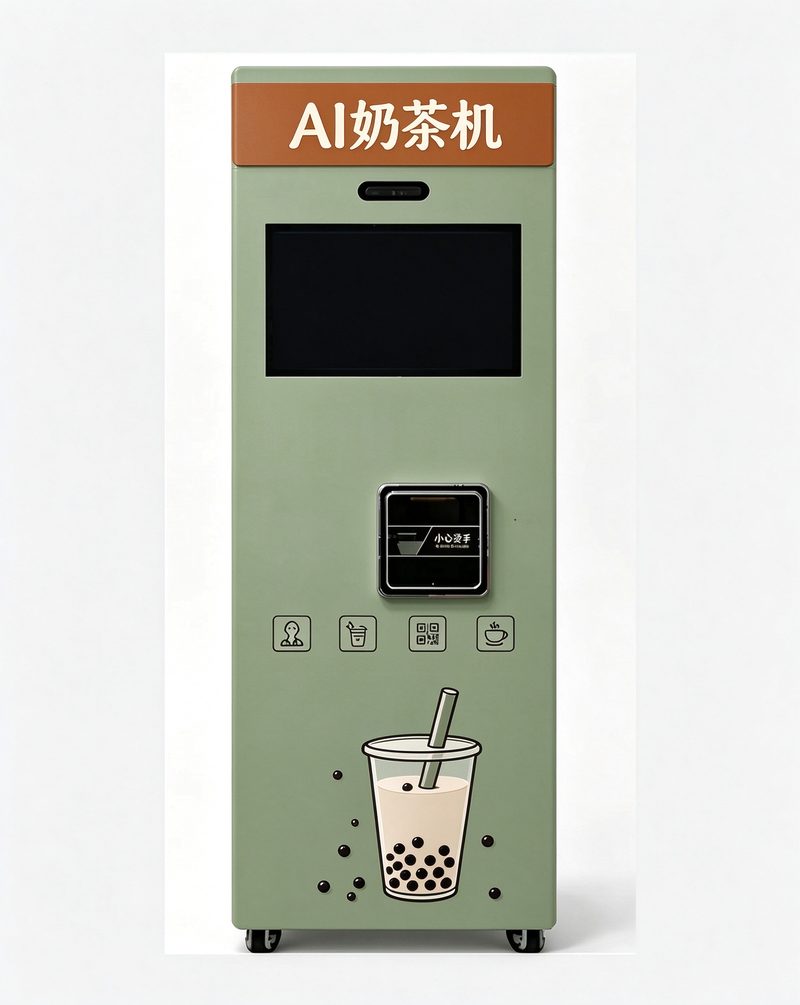
The Eight Cost Lines at a Glance
| Cost line | When it hits | How it scales |
|---|---|---|
| Machine (configured) | Before delivery | Fixed by the order |
| Placement and delivery | At installation | Per site |
| Consumables | Monthly | Directly with cup volume |
| Spare parts kit | One-time plus top-ups | With fleet size |
| Power and connectivity | Monthly | Flat per machine |
| Site fee or share | Monthly | With the venue agreement |
| Cleaning time | Weekly | With visit frequency |
| Downtime | Irregular | With service terms |
The Month the Building Emptied
The same face, four weeks running. A forklift driver with gloves tucked in his belt stops at a library reading-room vestibule, holds the cup with both hands and says nothing, which is its own review, and the pattern has stopped being a coincidence.
No promotion produced that habit. A machine that is always there, always stocked and always the same cup did it, which is a quieter kind of marketing than anything with a budget.
A site is not won on the first cup; it is won on the fifteenth. The restock note writes itself: the popular line is down one row.
Cleaning Contractors and Shared Space
In most buildings the floor around the cabinet is cleaned by someone who has never been told the machine exists. Their cloth stops at the cabinet's edge, and the edge is where the spills live.
Ten minutes with the cleaning supervisor solves more hygiene complaints than any specification. Write the machine into their round, and leave a contact for the day the bin overflows.
Handling a Complaint in Front of Others
A complaint voiced at the machine is a performance with an audience, and the audience decides how much damage it does. Answering quietly and fixing it on the spot ends most of them.
The rule worth writing down: never argue about the money at the machine. Refund, then reconcile later. The queue remembers the argument far longer than the operator remembers the five euros.
Choosing the First Site
The first site teaches the operator the business, so it should be chosen for learning speed rather than for size: close enough to visit weekly, forgiving enough to survive mistakes, busy enough to produce data.
A site twenty minutes away with modest traffic beats a landmark site two hours away, because the first one can be watched. Watching is what turns a placement into a method.
What the Facility Manager Actually Worries About
The facility manager is not buying coffee. They are buying no complaints, no extra work for their team, and nothing that fails an inspection. Say those three things plainly and the meeting moves.
Bring the answers before the questions: who cleans, who is called, what happens to the waste, and how the machine behaves during a fire drill. Facility managers approve things that do not create work; they stall on anything ambiguous.
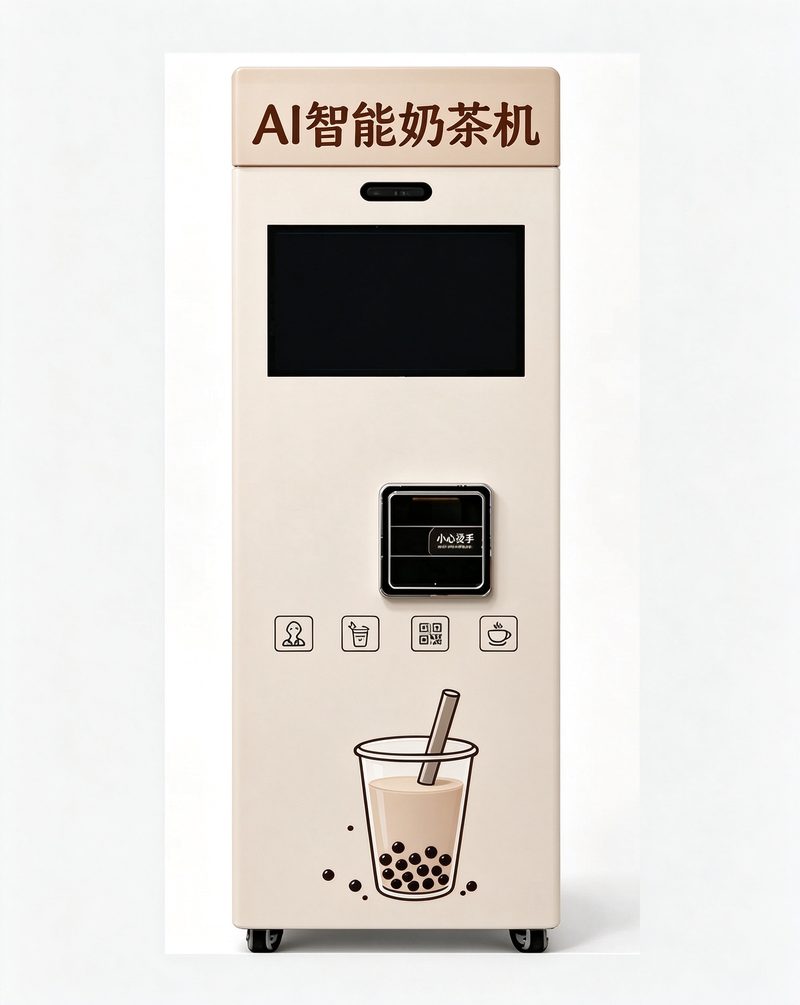
Signage That Answers the First Question
The first question is never about the machine; it is about whether this thing takes the payment in your pocket. Say the payment method, the price range and the drink categories in one glance, and the queue forms faster.
Keep the sign to a single line of text and a single line of pictures. Anything longer is read by nobody and photographed by even fewer.
A Contract That Fits a Small Host
Small hosts - a single cafe, a small clinic, a workshop - cannot absorb a contract written for a property company. Length, notice periods and liability clauses designed for a landlord will stall a deal that should take a week.
Keep a short form for them: one page, three obligations each side, a thirty-day exit. The money is smaller but the cycle is faster, and small hosts refer each other in a way property companies never do.
What a Closed Site Costs
The same face, four weeks running. A delivery rider helmet in hand stops at a community clinic corridor by the pharmacy window, taps the screen twice, picks the same drink as always, and is walking away before the cup is full, and the pattern has stopped being a coincidence.
No promotion produced that habit. A machine that is always there, always stocked and always the same cup did it, which is a quieter kind of marketing than anything with a budget.
A site is not won on the first cup; it is won on the fifteenth. It is the fourth cup this corner has sold since the hour began.
The Cup Itself: Rim, Heat, Foam
Customers judge a drink before tasting it: whether the rim is clean, whether the cup is warm to hold, whether the surface looks like something a person made. None of that is on the specification sheet and all of it decides the second purchase.
Temperature is the easiest to get wrong and the cheapest to fix. A cup that arrives drinkable rather than scalding suits a lobby; one that arrives hot suits a winter street. The setting is a menu decision, not a machine decision.
What Training Actually Means
An unmanned machine still has three people who need to know something: whoever tops the cups, whoever answers the phone, and whoever unlocks the door. Training is a card with three names on it, not a session.
Write the three names into the site file and re-check them quarterly. The most common failure in a well-built placement is not mechanical; it is nobody knowing who to call on a Saturday.
Complaints Logged, Complaints Answered
Write every complaint down with a date and a cause, even the trivial ones. The list becomes a fault profile within a quarter, and a fault profile is what turns an apology into a fix.
Answer within the day even when the answer is that someone is looking into it. An unattended tea bar that replies quickly is forgiven more often than one that is simply reliable.
Two Weeks Without a Restock
A site that survives two weeks without a restock is telling you something useful: its real consumption is lower than the model, or its customers are more tolerant than expected. Both are worth knowing.
Run the test once deliberately, on a quiet site, and watch what empties first. The answer is the site's actual priority order, which is rarely the order the menu was written in.
Adding the Second Machine
The second unit is justified by a plateau, not by a peak. When a site's curve has held flat for a quarter and the route still has slack, the arithmetic is already done - the rest is scheduling.
Doubling on one good month is how fleets end up with two machines selling the same forty cups. Wait for the flat line; it is the site telling you its size.
Cleaning Products That Damage the Machine
The wrong cleaner costs more than the right one. Solvent-based sprays cloud polycarbonate panels, chlorine left on stainless pits it, and a wet cloth around a socket turns a routine wipe into a service call.
Keep one approved cleaner per surface and write it on the inside of the door: food-contact areas, screens, and the outside shell are three different jobs. A cleaner who has to guess will use the strongest thing on the van.
The Operator’s Blind Spot: Their Own Depot
Operators audit their sites and rarely audit their depot. Yet the depot decides restock accuracy, parts availability and how long a route takes - three things that show up as site problems.
Walk the depot once a quarter with three questions: can I find any part in under a minute, is the picking area clear of yesterday's load, and does the stock count match the system. Twenty minutes, and the answer is usually instructive.
The most common finding is a picking area that has become storage: pallets nobody has moved in months, obsolete packaging, a machine waiting for a decision. Each one slows the route by a few minutes a day, which is a whole site's margin over a year.
What Operators Get Wrong About Quality
Quality in an unmanned site is not the peak cup; it is the worst cup of the week. A machine that produces one excellent drink and nine acceptable ones is judged by the nine, not the one.
That reframing changes what to measure: water hardness drift, capsule storage temperature, cleaning interval adherence, and the age of the oldest capsule in the drawer. All four are unglamorous and all four show up in the cup.
It also changes what to buy. A format with a narrower menu and a tighter process usually wins on the worst cup, which is the only cup the site remembers.
Two Weeks of Nothing
The same face, four weeks running. Two nurses sharing a ten-minute break stops at a 4S store customer lounge, scans, hesitates over the menu for a second, then picks the new flavour the dashboard has been quietly promoting, and the pattern has stopped being a coincidence.
No promotion produced that habit. A machine that is always there, always stocked and always the same cup did it, which is a quieter kind of marketing than anything with a budget.
A site is not won on the first cup; it is won on the fifteenth. The dashboard records it as one line; the day's curve bends up almost imperceptibly.
A Placement, Three Months In
The pilot at a community clinic hallway began as a favour to the site host and turned into the easiest arithmetic in the fleet: appointment-schedule traffic, the queue before lunch is the whole story. When the second machine conversation started, the first month's ledger did most of the talking.
No single number makes the case; the shape does. Cups per week climb through the ramp, plateau where the site's rhythm settles, and the menu mix flattens the seasonal dips. When the host asks what it would take to add a second unit, the answer is a copy of the first one's ledger.
What a Working Site Looks Like
Three months into a placement at a coach station waiting row, the pattern has settled: departures-board waves, and each delayed departure buys another round of cups. The menu has been trimmed twice - the dashboard ranked the lines, the bottom three went, and nobody wrote in to mourn them.
What made the site work was unglamorous: a cabinet in sight of a window, a restock on the day the building was quiet, and a host who knew exactly who to call.
The Ledger Tells the Story
The pilot at a coach station waiting row began as a favour to the site host and turned into the easiest arithmetic in the fleet: departures-board waves, each delayed departure buys another round of cups. When the second machine conversation started, the first month's ledger did most of the talking.
No single number makes the case; the shape does. Cups per week climb through the ramp, plateau where the site's rhythm settles, and the menu mix flattens the seasonal dips. When the host asks what it would take to add a second unit, the answer is a copy of the first one's ledger.
The Person Who Quietly Runs It
The same face, four weeks running. A security guard off the midnight shift stops at the staff room of a furniture mall, collects the cup, checks the cap out of habit, and folds back into the corridor traffic, and the pattern has stopped being a coincidence.
No promotion produced that habit. A machine that is always there, always stocked and always the same cup did it, which is a quieter kind of marketing than anything with a budget.
A site is not won on the first cup; it is won on the fifteenth. It is the fourth cup this corner has sold since the hour began.
Straight Answers to the Hard Questions
"The shop next door already sells drinks."
A shop sells drinks when someone is behind the counter. The machine sells at seven in the morning, at eleven at night, and every minute the shutters are down - it is a different business, not a rival.
"Doesn't it need plumbing and rewiring?"
A household power line and two square metres cover it. Most placements are standing and selling the same week the site agreement is signed.
"How do I know the numbers are real?"
Every order carries its own reference and exports monthly against capsule consumption. You reconcile a report, not a shoebox of receipts.
"Is the tea or coffee actually any good?"
Good enough that the repeat rate, not the first sale, pays for the placement. The capsule range covers espresso, milk tea, fruit and herbal lines, so the regulars settle in and the curious keep sampling.
The Week's Route, Written Down
- Monday - Week opens with paperwork - capsule order signed off, one site's access hours re-confirmed by message.
- Tuesday - Long route day - six machines, two top-ups flagged, one nozzle wiped twice.
- Wednesday - Halfway check on capsule depth; one line is running ahead of plan and earns a second row next visit.
- Thursday - Reconciliation morning - cups sold against capsules issued, and the one discrepancy traced to a demo cup.
- Friday - Peak-site visit before the evening rush; contact card replaced at one unit.
- Saturday - Half-day route. The transit site runs hot, the office sites sleep, and the van gets its filters swapped.
- Sunday - Rest day, which is also a system: the alerts keep watch and the ledger keeps counting.
Twelve Months, Two Columns
| Month | Traffic pattern | Route decision |
|---|---|---|
| Jan | New-year footfall is slow to wake; keep the hot lines deep and the route tight. | The quietest fortnight of the year - good for audits, bad for optimism. |
| Feb | The post-holiday dip is real; use it for deep cleans and filter changes. | Short month, long queues on the 14th; order the dessert-adjacent capsules early. |
| Mar | Spring footfall returns with the weather; fruit lines start their climb. | Exam season starts on campuses; the library site stops being a quiet placement. |
| Apr | A good month to trial one new capsule line per machine. | Rain weeks teach you which sites have indoor dwell; note them for the record. |
| May | Mid-year route review: cut the weakest ten percent if the ledger says so. | Warm evenings extend the outdoor sites; chilled options earn their drawer space. |
| Jun | The first genuinely hot week tells you whether the chilled lines were sized right. | Exam and event season bends public-hall sites; stock ahead of the dates. |
| Jul | Holiday travel lifts transit and hotel sites for roughly three weeks. | Office sites go quiet and tourist corridors take over; move the route, not the menu. |
| Aug | The slowest office month; the tourist corridors carry the fleet instead. | Capsule storage gets hot in August; check the stockroom before the shelf life does. |
| Sep | Order winter capsule volumes early - the ramp catches late buyers. | Campus sites refill; the coffee line at eight in the morning comes back overnight. |
| Oct | The first cold snap is worth a route note: it usually front-loads the month by a week. | The hot-drink golden window opens; the curve steepens week on week. |
| Nov | Darkness at five changes the traffic shape; the evening hour gains, the lunch hour thins. | Year-end host meetings: renewals, shares, next-year placements. |
| Dec | The last week is dead in offices and frantic in transit; stock for one and rest for the other. | Close the ledger, thank the hosts, and let the dashboard write the next order. |
From the Operator's Notebook
I used to think the machine was the business. Four hundred route stops later, the honest version: the machine is the storefront, and the business is the cleaning sheet around it.
Nobody warns you that the hard part is not buying the machine. It is the site walkthrough, done the same way in month nine as in month one.
If I could send one paragraph back to my first order, it would be this - the capsule rotation is not a purchase, it is a schedule, and the schedule is written in the ledger whether you look at it or not.
How It Stacks Up
| The old way | What it costs | Where it fails | What the machine changes |
|---|---|---|---|
| Staffed counter | Wages every month, plus training and turnover | Open only as long as someone stands there | A unattended tea bar sells the hours the counter never could |
| Traditional coin vending | Cash handling, change runs, slot jams | No telemetry; faults found by complaint | Every sale logged, every fault alerted |
| Corner cafe | Rent, fit-out, staffed peaks | Fixed menu, fixed hours | Capsule range rotates at the restock visit, not by renovation |
| Model line | Core drinks | Best-fit venues | Service rhythm |
|---|---|---|---|
| Coffee machine | Espresso, americano, latte | Corporate floors, hotel corridors | Restock every 2-3 weeks |
| Milk tea machine | Milk tea and tea lines | Retail floors, schools, factory canteens | Restock every 2-3 weeks |
| Juice machine | Fruit lines, chilled options | Gyms, cinemas, family venues | Restock every 2-3 weeks |
| Herbal tea machine | Herbal and traditional teas | Hospitals, tea houses, late shifts | Restock every 2-3 weeks |
A Checklist Worth Printing
- Walk the cleaning sheet on every visit, not from memory
- Test the payment terminal on the site's own network
- Keep one experimental line per machine and review it monthly
- Agree in writing who pays for power and consumables
- Set the filter calendar by measured water hardness
- Ask what else shares the socket the machine will use
- Photograph the installation for the machine folder
- Note the site's quiet hours before scheduling a service visit
- Set a two-week buffer at the depot, not at the site
- Put the fault codes in plain words on the inside door
- Ask the host where hot drinks are usually bought nearby
- Decide who owns the cups before the first order
The Takeaway
When in doubt, choose the configuration your service round can sustain, not the one the brochure flatters.
Common questions
How often do filters change?
By litres, not by date: the interval is set from measured hardness and logged on the sheet.
How are capsules shipped and stored?
Stackable dated boxes, dry storage off the floor, first-in-first-out rotation at the depot.
What does a cup actually cost?
Capsule plus cup plus a share of parts, power and cleaning - the per-cup figure is fixed with the supplier and held against invoices.
Is there a contract lock-in?
Placement terms vary by venue; trial periods with clear move-out terms are common and sensible.
How long does installation take?
On a prepared site, commissioning is typically finished in under an hour: position, power, network check and a run of test cups.
What happens during a power cut?
The machine resumes when power returns; in-flight vends are voided and refunded per the posted rule.
How often does someone need to visit?
On normal demand, the restock route lands every 2-3 weeks per machine, with dashboard alerts filling the gaps.
Can the menu change without a technician?
Yes - capsule menus change at the restock visit; nothing on the machine needs touching.
The machines behind this article
Related reading
- How to Choose an Unmanned Milk Tea Machine for High-Traffic Venues
- Smart Milk Tea Machine Pricing: From Sticker to Settlement
- Where a Self-Service Bubble Tea Machine Earns Its Keep
- Keeping a Smart Milk Tea Machine Clean Between Rounds
Summary
An unattended tea bar has eight cost lines, not one sticker; modelled over twelve months they show where the payback window of 3-8 months really sits.
Request the spec sheet and the TCO worksheet together - they read as one document.