Watching Many Sites from One Screen: the Traditional Tea Vending Machine
In one line: Monitoring turns a solo operator into a fleet manager; this page picks the three alerts that carry the load. Ranges are given where certainty is not available.
Key facts: Sales-against-curve is the quiet alert: it flags a dying placement before the host complains.
Three Threads Run Through Every Purchase
The traditional tea vending machine project starts with a site and ends with a rhythm nobody wrote down at the start. The order below is deliberate: decisions first, numbers second, service terms last.
What to Watch on the Dashboard
- Stock levels per capsule line
- Fault codes and offline events
- Hourly sales against the site's curve
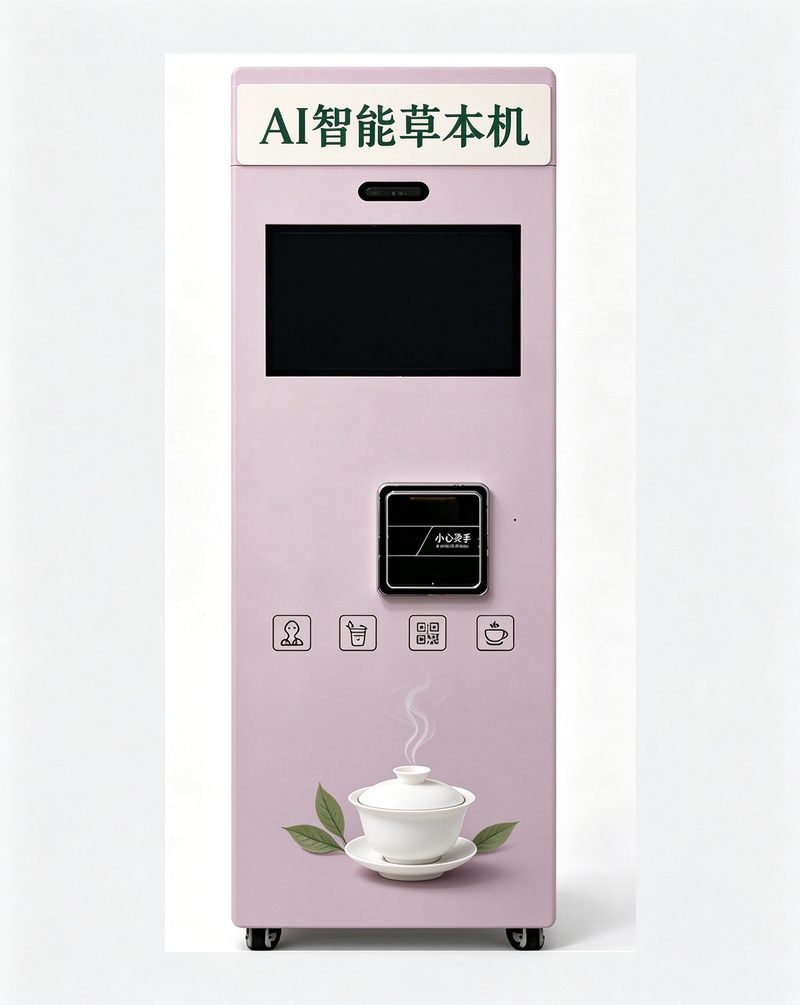
Alerts, Triggers, First Actions
| Alert | Trigger | First action |
|---|---|---|
| Stock low | Below threshold | Add line to next route |
| Machine offline | Over an hour | Power and SIM check by phone |
| Vend failures | Repeated | Walk the host through the slot |
| Sales drop | Against the curve | Visit before the host notices |
The Hour Nobody Staffs
By ten at night a night-school corridor has emptied out, and the traditional tea vending machine is the only lit thing in the corridor. The site closes at six; the traffic does not.
A forklift driver with gloves tucked in his belt is the customer now - the one who cannot buy a chrysanthemum herbal tea anywhere else at this hour, and who will remember that tomorrow.
Anyone pricing a placement on daytime footfall alone is pricing half a site. It is the fourth cup this corner has sold since the hour began.
Hiring for the Route
Route work rewards a specific temperament: someone who notices a full bin, a leaning cup stack and a screen with a fingerprint on it without being told to look. It is not a skill that shows up on a CV.
Hire on a trial morning with two sites and watch what gets cleaned without prompting. The person who wipes the shelf before restocking it will save more money over a year than the one who restocks fastest.
The Small Consumables Nobody Counts
Cups, lids, stirrers and napkins never appear in a payback model and always appear in a month-end surprise. They are cheap per unit and expensive per thousand, and they are the first thing to run out when a site gets busy.
Count them the way stock is counted: a fixed par level per site, checked at every restock, ordered with the capsules rather than separately. A site that runs out of lids has effectively run out of drinks.
When the Host Asks for a Discount
A host asking for a higher share is usually testing whether the number on the table was built or guessed. Answering with a concession teaches them it was guessed.
The better reply is arithmetic: here is the cup volume the site needs for the current share to work, here is what happens to it at the share you are asking for, and here is the trial period that will tell us which is right. Discounts are cheap when the volume is real and expensive when it is not.
Lessons From the First Quarter
A quiet machine is a trusted machine. Lights that work, a screen that answers, a pickup area wiped between rounds — these say more about the operation than any panel sticker.
Trust compounds quietly, in renewal conversations and in the passers-by who finally stop. It is the only marketing an unattended corner truly owns.
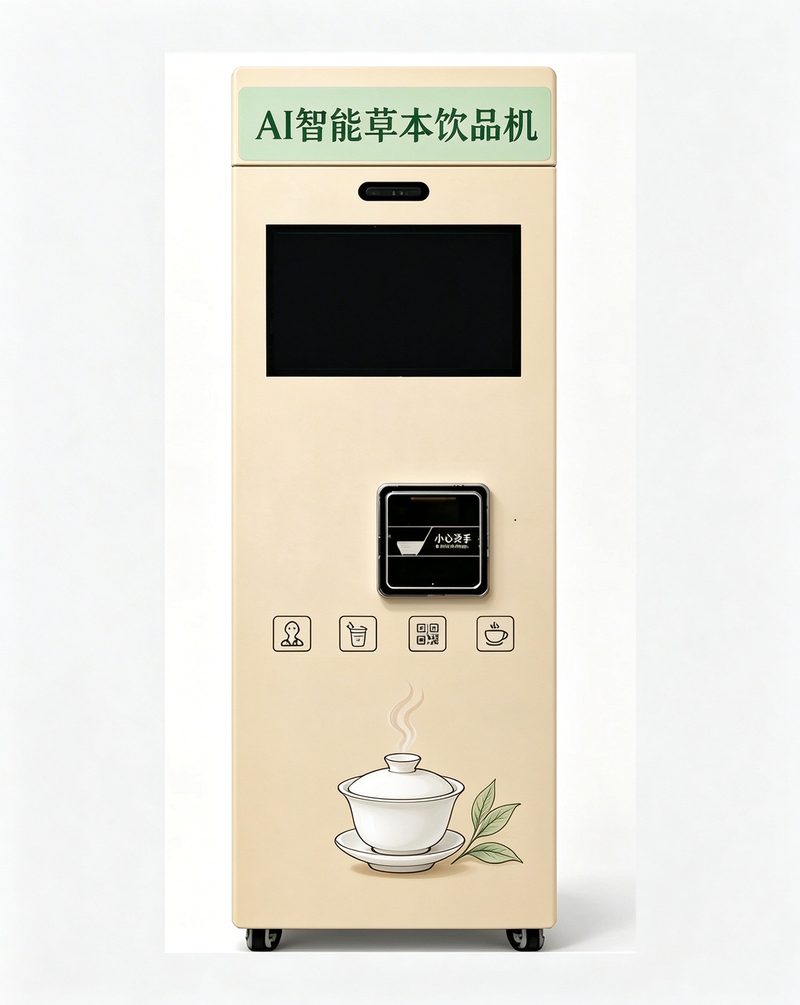
What an Empty Chute Means
An empty cup chute at nine in the morning is either a site that sells faster than its restock interval or a machine that has stopped vending. The two look identical from outside and require opposite responses.
The event log settles it in a minute: failed vends in a row mean a mechanism problem, a clean gap means demand. Guessing wrong sends a technician to a site that needed a bigger cup stack.
Small Habits, Compounding Results
Every site teaches one lesson per month, whether or not anyone writes it down. The one-page site card is where lessons go to survive staff changes and holiday seasons.
A fleet with written memory improves yearly. A fleet with verbal memory starts each January from scratch.
One Minute at the Machine
A rainy 3 in the afternoon, the second-floor rest deck of a furniture expo. A security guard off the midnight shift walks up to the traditional tea vending machine and holds the cup with both hands and says nothing, which is its own review. The cup arrives capped, a chrysanthemum herbal tea still warm enough to notice on the walk back.
Nobody photographs it; the machine has simply become part of the floor plan.
Multiply that minute by the hours the site is actually awake, and the placement argument writes itself: the machine is not competing with the cafe down the street - it is serving the traffic that never walks there.
When the Site Restocks Itself
Handing restocking to the host's own staff trades route cost for control. It works when the host already runs a shift routine and fails when restocking becomes somebody's fourth job.
If you try it, keep the par levels in your system, not theirs, and audit monthly against the ledger. A site that restocks itself still needs a number that says whether it is being done.
Alerts Worth Configuring
Three alerts cover nearly everything: stock below threshold, machine offline beyond an hour, repeated vend failures.
Reporting Across Sites
A report that grows with the fleet stops being read at about site twelve. The fix is not a better dashboard but a shorter one: same five lines for every site, ranked, with exceptions above them.
The lines worth keeping are cups per day, net per cup, stockouts, faults and the age of the oldest unresolved complaint. Everything else is available on request, which is where it belongs.
Insurance and Liability in Plain Terms
Ask three questions before signing: whose policy covers the cabinet against damage, whose covers a customer who spills a hot drink, and what the host's own insurer requires in writing. Most answers arrive within a week if asked early.
Because a traditional tea vending machine holds no cash, the theft conversation is shorter than it once was - the till is a database. The liability conversation stays, and it is settled by one page rather than by goodwill.
Notes From the Field
Unattended retail rewards the person who shows up on a schedule. Machines do not need watching; they need intervals — cleaning intervals, restock intervals, ledger intervals — kept boringly on time.
The operators who last are rarely the loudest. They are the ones whose Wednesday route looks the same in week forty as it did in week one.
Payment and Reconciliation Basics
Every sale is logged against a timestamp and a method, so the monthly settlement is a report rather than an argument.
- QR scan-to-pay covers the standard flow; each order carries its own reference
- Export the ledger monthly and match it against capsule consumption
- Agree in advance who refunds failed vends and how fast
Why Cheap Machines Cost More
A cheaper machine saves money once, at purchase. It costs money every month through the parts it needs, the visits it forces and the sales it loses while waiting for a part nobody stocks.
The comparison only becomes honest when the same three years are modelled for both options, with the same cup volume and the same service assumptions. Almost every machine described as cheaper loses that comparison on parts and downtime rather than on features.
There is a fair case for cheap machines: short trials, low-traffic sites, and markets where the site may not last a year. The mistake is buying cheap for a site expected to run five years and calling it capital discipline.
The Route You Cannot Hire For
There is a route size below which nobody wants the job and above which one person cannot finish it. The window is narrower than it looks: roughly a morning's driving plus a morning's restocking, five days a week.
When hiring fails, the answer is rarely a better advert. It is fewer, denser sites - three in one building beat five across a city - or a host who takes on restocking for a share of the revenue.
Design the route for the person you can actually hire, not the one you wish you could. A traditional tea vending machine network that needs a hero to run it is a network with a single point of failure and no holiday cover.
The Regular Nobody Recruited
The same face, four weeks running. A teacher marking papers between classes stops at the back corner of a convenience store, takes two - one now, one for the colleague minding the desk, and the pattern has stopped being a coincidence.
No promotion produced that habit. A machine that is always there, always stocked and always the same cup did it, which is a quieter kind of marketing than anything with a budget.
A site is not won on the first cup; it is won on the fifteenth. It is the fourth cup this corner has sold since the hour began.
A Placement, Three Months In
Three months into a placement at a logistics warehouse rest area, the pattern has settled: shift-change traffic, and the morning peak carries the day. The menu has been trimmed twice - the dashboard ranked the lines, the bottom three went, and nobody wrote in to mourn them.
No single number makes the case; the shape does. Cups per week climb through the ramp, plateau where the site's rhythm settles, and the menu mix flattens the seasonal dips. When the host asks what it would take to add a second unit, the answer is a copy of the first one's ledger.
What a Working Site Looks Like
Three months into a placement at a community clinic hallway, the pattern has settled: appointment-schedule traffic, and the queue before lunch is the whole story. The menu has been trimmed twice - the dashboard ranked the lines, the bottom three went, and nobody wrote in to mourn them.
The first month argued with the second and lost. What looked like a slow start was a queue forming in the wrong half hour - once the route moved the restock earlier, the same site sold the same cups with half the empty rows.
The Ledger Tells the Story
The pilot at an office park lobby began as a favour to the site host and turned into the easiest arithmetic in the fleet: weekday morning peaks, Fridays run light and Mondays run heavy, every week. When the second machine conversation started, the first month's ledger did most of the talking.
The host's own staff ended up doing the small things - topping cups, wiping the tray - and that informal care showed up as fewer complaints than any service level agreement would have delivered.
The Month the Building Emptied
The same face, four weeks running. A saleswoman between two showroom appointments stops at a trade hall rest nook between exhibition aisles, taps the screen twice, picks the same drink as always, and is walking away before the cup is full, and the pattern has stopped being a coincidence.
No promotion produced that habit. A machine that is always there, always stocked and always the same cup did it, which is a quieter kind of marketing than anything with a budget.
A site is not won on the first cup; it is won on the fifteenth. The sale lands in the ledger before the door swings shut.
Straight Answers to the Hard Questions
"What about hygiene inspections?"
A capsule system keeps the wet parts few and the routine short; the cleaning sheet and the service log are exactly what an inspector asks to see.
"Is the tea or coffee actually any good?"
Good enough that the repeat rate, not the first sale, pays for the placement. The capsule range covers espresso, milk tea, fruit and herbal lines, so the regulars settle in and the curious keep sampling.
"What if it gets vandalised or someone walks off with the cash?"
There is no cash box to walk off with - every sale is a logged QR payment, and the cabinet is bolted steel with an alarm on the door. Insurance conversations get easier when the till is a database.
"The shop next door already sells drinks."
A shop sells drinks when someone is behind the counter. The machine sells at seven in the morning, at eleven at night, and every minute the shutters are down - it is a different business, not a rival.
A Week on the Route, Logged
- Monday - Route planned from the weekend's dashboard; the week's capsule order confirmed.
- Tuesday - The long run: four sites before ten, two after lunch, one drawer rotated while the kettle boiled.
- Wednesday - Midweek is the quiet read: office sites cool off, clinic and gym sites pick up the slack.
- Thursday - Books day. The monthly figure gets compared to the site's own count, and the two agree within normal wastage.
- Friday - The Friday visit happens before four, because after four the site is a queue and a machine that needs nothing.
- Saturday - Half-day route. The transit site runs hot, the office sites sleep, and the van gets its filters swapped.
- Sunday - Nothing scheduled. Alerts forwarded to the phone, one dashboard glance at noon, no wheels turned.
Twelve Months, Two Columns
| Month | What the traffic does | What the operator does |
|---|---|---|
| Jan | Budget season: the annual consumables figure gets signed this month. | The quietest fortnight of the year - good for audits, bad for optimism. |
| Feb | Short month, long queues on the 14th; order the dessert-adjacent capsules early. | The post-holiday dip is real; use it for deep cleans and filter changes. |
| Mar | Exam season starts on campuses; the library site stops being a quiet placement. | Spring footfall returns with the weather; fruit lines start their climb. |
| Apr | A good month to trial one new capsule line per machine. | The first warm spell moves demand later in the day; watch the four o clock hour. |
| May | Warm evenings extend the outdoor sites; chilled options earn their drawer space. | Holiday Mondays distort the weekly curve; compare like with like before judging a site. |
| Jun | The first genuinely hot week tells you whether the chilled lines were sized right. | Half-year service check: seals, nozzles, payment terminals. |
| Jul | Office sites go quiet and tourist corridors take over; move the route, not the menu. | Holiday travel lifts transit and hotel sites for roughly three weeks. |
| Aug | Capsule storage gets hot in August; check the stockroom before the shelf life does. | The slowest office month; the tourist corridors carry the fleet instead. |
| Sep | Order winter capsule volumes early - the ramp catches late buyers. | Campus sites refill; the coffee line at eight in the morning comes back overnight. |
| Oct | The first cold snap is worth a route note: it usually front-loads the month by a week. | The hot-drink golden window opens; the curve steepens week on week. |
| Nov | Cold-weather peak builds; popular lines deserve a double buffer. | Year-end host meetings: renewals, shares, next-year placements. |
| Dec | Close the ledger, thank the hosts, and let the dashboard write the next order. | The last week is dead in offices and frantic in transit; stock for one and rest for the other. |
Three Things the Route Taught Me
Every operator I respect has the same boring habit: they write the week down. the restock cadence is where the writing pays for itself.
I stopped chasing new sites for three months and fixed the alert settings instead. Revenue went up without a single new placement.
My first site taught me the arithmetic; my fourth taught me the restock cadence, which is the part that scales.
How It Stacks Up
| The old way | What it costs | Where it fails | What the machine changes |
|---|---|---|---|
| Staffed counter | Wages every month, plus training and turnover | Open only as long as someone stands there | A traditional tea vending machine sells the hours the counter never could |
| Traditional coin vending | Cash handling, change runs, slot jams | No telemetry; faults found by complaint | Every sale logged, every fault alerted |
| Corner cafe | Rent, fit-out, staffed peaks | Fixed menu, fixed hours | Capsule range rotates at the restock visit, not by renovation |
| Line | What it pours | Where it fits best | Restock rhythm |
|---|---|---|---|
| Coffee machine | Espresso, americano, latte | Office lobbies, clinics, showrooms | Restock every 2-3 weeks |
| Milk tea machine | Milk tea and tea lines | Malls, adult-education campuses, staff rooms | Restock every 2-3 weeks |
| Juice machine | Fruit lines, chilled options | Gyms, leisure, transit | Restock every 2-3 weeks |
| Herbal tea machine | Herbal and traditional teas | Clinics, wellness floors, night sites | Restock every 2-3 weeks |
A Checklist Worth Printing
- Write the power draw and floor load into the site agreement
- Set stock thresholds on the dashboard before day one
- Note the site's quiet hours before scheduling a service visit
- Log the first repair with date, part and cause
- Agree the refund rule before the first complaint, not after
- Review alerts quarterly and remove the noisy ones
- Price one cycle of capsules before promising a payback figure
- Fix the price list at launch and review it quarterly
- Agree in writing who pays for power and consumables
- Verify the capsule order lead time in weeks, not promises
- Confirm who empties the bin beside the cabinet
- Walk the route in the order the traffic allows, not the map
The Takeaway
When in doubt, choose the configuration your service round can sustain, not the one the brochure flatters.
Common questions
Is there a contract lock-in?
Placement terms vary by venue; trial periods with clear move-out terms are common and sensible.
Who cleans the machine?
The operator, on the visit sheet - cup area and panel each visit, drawer and tray weekly.
Can I run twenty sites alone?
Up to a point - routes planned from live data are what make small fleets workable with one service person.
How often does someone need to visit?
On normal demand, the restock route lands every 2-3 weeks per machine, with dashboard alerts filling the gaps.
What happens during a power cut?
The machine resumes when power returns; in-flight vends are voided and refunded per the posted rule.
When does the second machine make sense?
When the first one's ledger shows a stable curve and the restock route has spare capacity.
What if payment fails mid-vend?
The vend is voided, the ledger records it, and the posted refund rule handles the customer the same day.
Rent or revenue share?
Flat rent suits steady sites, share suits unproven ones; hybrids split the difference.
Related machines
Related reading
- From Order to First Cup: Capsule Herbal Tea Machine Delivery and Setup
- Ordering and Storage for Self-Service Herbal Brew Station Capsules
- Watching Many Sites from One Screen: the Self-Service Herbal Tea Machine
- Automatic Herbal Tea Vending Machine Answers for Importers and Operators
Summary
Monitoring turns a solo operator into a fleet manager; this page picks the three alerts that carry the load. Ranges are given where certainty is not available.
Request the spec sheet and the TCO worksheet together - they read as one document.