Filter Planning for an Unattended Coffee Corner
In one line: Hardness rarely changes the taste of a capsule drink; it changes how fast scale builds and when service calls arrive.
Key facts: A strip test on day one settles hardness; filter intervals follow the test, and scale shows in service calls before it shows in cups.
Three Threads Run Through Every Purchase
Supplier shortlists for the unattended coffee corner narrow quickly once service radius is drawn on a map. Treat the checklist items as questions to answer in writing, not as advice to agree with.
Why Water Hardness Matters
Hardness does not change the taste of a capsule drink by much - it changes how fast scale builds inside the lines, which shows up later as service calls.
A strip test at commissioning settles the question in a minute.
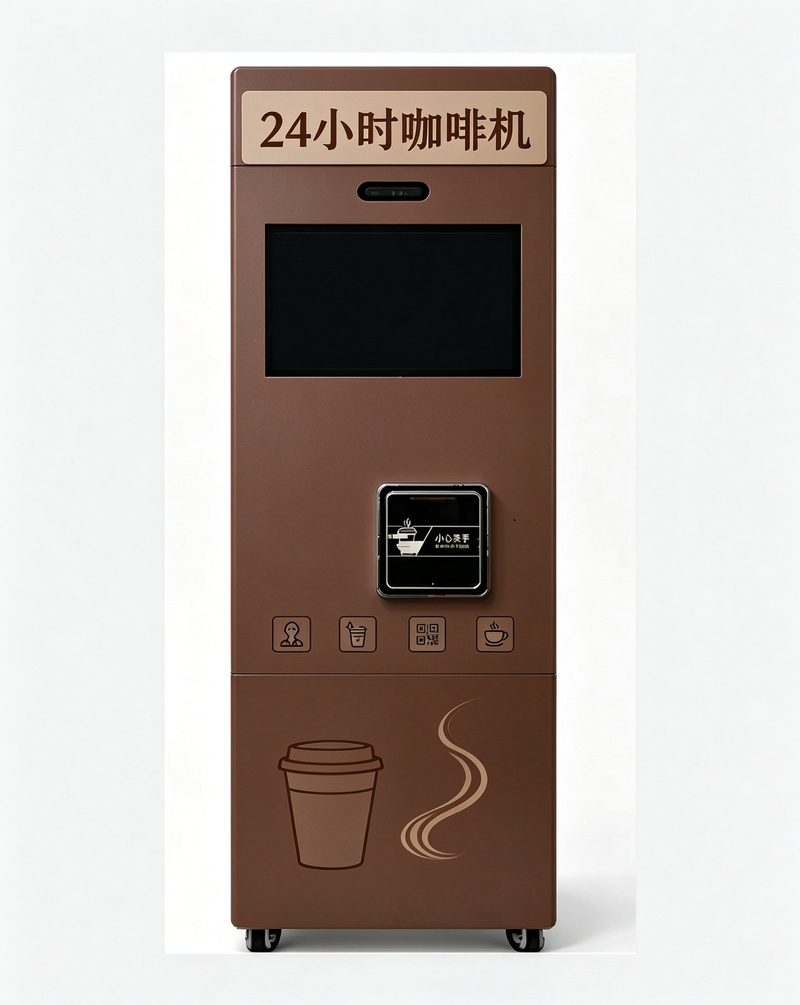
Hardness and Filter Intervals
| Local water | Filter interval | Note |
|---|---|---|
| Soft | Longer interval | Strip test still required |
| Medium | Standard interval | Log every change |
| Hard | Shorter interval | Scale shows in service calls first |
| Unknown | Test before day one | A strip kit settles it in a minute |
The Vend That Did Not Happen
The same face, four weeks running. A teacher marking papers between classes stops at a university staff building foyer, taps the screen twice, picks the same drink as always, and is walking away before the cup is full, and the pattern has stopped being a coincidence.
No promotion produced that habit. A machine that is always there, always stocked and always the same cup did it, which is a quieter kind of marketing than anything with a budget.
A site is not won on the first cup; it is won on the fifteenth. The restock note writes itself: the popular line is down one row.
Reading the Ledger Monthly
The busiest week of the year is chosen by the venue, not by the operator. Exam seasons, holidays, and weather move traffic; the restock calendar should move with them rather than argue.
One flexible day per week in the route absorbs most of what a calendar can throw at a fleet.
What the Screen Says About Privacy
A screen that asks for a phone number before pouring a drink tells customers what the machine is really for. Most will tap past it; some will remember it.
Collect only what a loyalty scheme needs to function, say in one line what it is used for, and make the skip button as prominent as the accept button. That is the whole of the policy most sites need.
Failed Payments and the Refund Path
Every unattended machine produces failed payments, and the failure that damages trust is not the decline - it is the ambiguous one, where money leaves the account and no cup appears.
The fix is procedural: a visible number to call, a refund rule written down before the first complaint, and a weekly reconciliation that closes the loop. Operators who refund same-day keep customers; those who argue keep a complaint thread.
Cleaning Products That Damage the Machine
The wrong cleaner costs more than the right one. Solvent-based sprays cloud polycarbonate panels, chlorine left on stainless pits it, and a wet cloth around a socket turns a routine wipe into a service call.
Keep one approved cleaner per surface and write it on the inside of the door: food-contact areas, screens, and the outside shell are three different jobs. A cleaner who has to guess will use the strongest thing on the van.
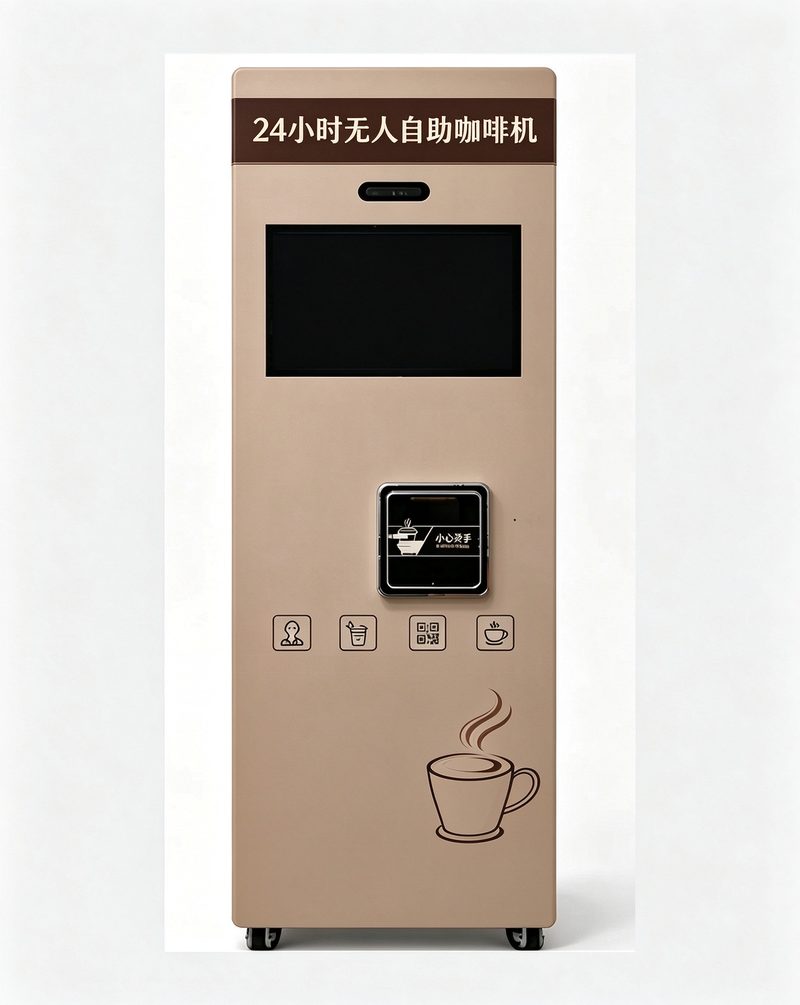
Two Machines, One Route
Adding a second machine to an existing site is the cheapest growth available, and it fails for a boring reason: the restock trip doubles while the visit count stays the same.
Plan the second unit as a separate stop in the route, then look for the saving elsewhere. Operators who assume a shared visit usually discover it on the third week.
Hiring for the Route
Route work rewards a specific temperament: someone who notices a full bin, a leaning cup stack and a screen with a fingerprint on it without being told to look. It is not a skill that shows up on a CV.
Hire on a trial morning with two sites and watch what gets cleaned without prompting. The person who wipes the shelf before restocking it will save more money over a year than the one who restocks fastest.
The Regular Nobody Recruited
The same face, four weeks running. A visiting auditor with a folder under one arm stops at the second-floor rest deck of a furniture expo, collects the cup, checks the cap out of habit, and folds back into the corridor traffic, and the pattern has stopped being a coincidence.
No promotion produced that habit. A machine that is always there, always stocked and always the same cup did it, which is a quieter kind of marketing than anything with a budget.
A site is not won on the first cup; it is won on the fifteenth. The dashboard records it as one line; the day's curve bends up almost imperceptibly.
Accessibility Around a Standing Cabinet
A cabinet on a 2 square metres footprint still occupies a corridor. Leave the turning space, keep the screen at a reachable height, and make sure the pickup slot can be used from a seated position - three details that decide whether part of the audience can buy at all.
Ask the host about floor load and door widths before delivery, not after. The site that fits the tape measure on day one never becomes the expensive story later.
Payment Reconciliation Past the Terminal
The terminal settles; the ledger still has to agree. QR scan-to-pay produces a reference per order, and the operator's job is to match those references against capsules issued and cups sold - three lists that should tell one story.
Disagreements are usually small and always explainable: a demo cup, a voided vend, a refund nobody logged. The habit worth keeping is a weekly match rather than a monthly surprise, because a month of drift takes an afternoon to unpick.
What the Facility Manager Actually Worries About
The facility manager is not buying coffee. They are buying no complaints, no extra work for their team, and nothing that fails an inspection. Say those three things plainly and the meeting moves.
Bring the answers before the questions: who cleans, who is called, what happens to the waste, and how the machine behaves during a fire drill. Facility managers approve things that do not create work; they stall on anything ambiguous.
A Complaint Is a Signal, Not a Verdict
The first complaint about a site usually describes a real defect in a clumsy way. The customer says the coffee tastes burnt; the actual problem is a heater cycling two degrees high.
Treat the complaint as a pointer and check the machine data before defending the product. Operators who answer the data find the fault; operators who answer the words find an argument.
Hygiene Checks That Survive a Visit
What an inspector asks for is a record, not a promise. A dated cleaning sheet, a filter change log and a note of who signed each visit answer most questions before they are asked twice.
The visible part matters as much: a wiped pickup area and a capped cup say more to a passing customer than any certificate on the wall. On an unattended coffee corner, the three-minute wipe is the cheapest reputation work available.
Price Ladder and Cup Sizes
Two sizes and three prices cover most sites: a small cup that undercuts the nearby cafe, a large one that beats it on volume, and a middle line that exists to make the large look reasonable.
The ladder should be readable in one glance. If a customer needs to compare four prices to choose, the menu is doing the operator's work for them, badly.
Reading Someone Else's Payback Figure
A payback figure quoted by a supplier is a conclusion without its inputs. Before comparing it to your own, ask for five numbers: cups per day, price per cup, consumable cost, site share and what was excluded.
The exclusion list is where the optimism lives. Power, restock labour, payment fees and spares are the four lines most often missing, and together they can double a payback period without changing a single sale.
A useful discipline: rebuild the supplier's number with your own inputs before you sign anything. If their model and yours disagree, the disagreement is worth more than the machine's specification sheet.
The Mathematics of a Bad Site
A bad site rarely looks bad on the day you visit. It looks quiet, which is easy to mistake for calm, and the traffic that does exist arrives in a burst you happen to miss.
The arithmetic is unforgiving: a cabinet needs a floor of cups per day before the rent share, power and route time are covered. Below that floor, every additional month adds cost rather than learning.
The cheapest mistake is the trial with a written move-out. The most expensive is a three-year agreement signed on a good first impression and a host's optimism.
One Minute at the Machine
Friday dusk, as the shift ends, the corridor outside a hospital waiting hall. A mother waiting out a clinic queue walks up to the unattended coffee corner and scans, hesitates over the menu for a second, then picks the new flavour the dashboard has been quietly promoting. The cup arrives capped, a flat white still warm enough to notice on the walk back.
It is the fourth cup this corner has sold since the hour began.
Multiply that minute by the hours the site is actually awake, and the placement argument writes itself: the machine is not competing with the cafe down the street - it is serving the traffic that never walks there.
A Placement, Three Months In
Three months into a placement at a coach station waiting row, the pattern has settled: departures-board waves, and each delayed departure buys another round of cups. The menu has been trimmed twice - the dashboard ranked the lines, the bottom three went, and nobody wrote in to mourn them.
What made the site work was unglamorous: a cabinet in sight of a window, a restock on the day the building was quiet, and a host who knew exactly who to call.
What a Working Site Looks Like
Three months into a placement at a hotel corridor by the lifts, the pattern has settled: late-evening demand, and nights outperform the average once the tour groups check in. The menu has been trimmed twice - the dashboard ranked the lines, the bottom three went, and nobody wrote in to mourn them.
The quarter's lesson was about the restock hour, not the menu. Moving the visit ninety minutes earlier recovered the morning peak, and the peak turned out to be most of the site.
The Ledger Tells the Story
The pilot at a furniture mall staff corridor began as a favour to the site host and turned into the easiest arithmetic in the fleet: staff and contractor flow, the steady base load comes from the fit-out crews. When the second machine conversation started, the first month's ledger did most of the talking.
No single number makes the case; the shape does. Cups per week climb through the ramp, plateau where the site's rhythm settles, and the menu mix flattens the seasonal dips. When the host asks what it would take to add a second unit, the answer is a copy of the first one's ledger.
The Person Who Quietly Runs It
The same face, four weeks running. A gym regular towel over the shoulder stops at a 4S store customer lounge, taps the screen twice, picks the same drink as always, and is walking away before the cup is full, and the pattern has stopped being a coincidence.
No promotion produced that habit. A machine that is always there, always stocked and always the same cup did it, which is a quieter kind of marketing than anything with a budget.
A site is not won on the first cup; it is won on the fifteenth. No one needed help, which is the entire point.
Straight Answers to the Hard Questions
"What about hygiene inspections?"
A capsule system keeps the wet parts few and the routine short; the cleaning sheet and the service log are exactly what an inspector asks to see.
"The shop next door already sells drinks."
A shop sells drinks when someone is behind the counter. The machine sells at seven in the morning, at eleven at night, and every minute the shutters are down - it is a different business, not a rival.
"Doesn't it need plumbing and rewiring?"
A household power line and two square metres cover it. Most placements are standing and selling the same week the site agreement is signed.
"We tried a vending machine years ago and it was a disaster."
The difference is the telemetry. Stock, faults and sales report themselves now, so a machine that quietly fails gets noticed the same hour - not the following month.
The Week's Route, Written Down
- Monday - Dashboard review first: two sites ran hot over the weekend, so their rows go to the front of the van.
- Tuesday - The long run: four sites before ten, two after lunch, one drawer rotated while the kettle boiled.
- Wednesday - Midweek dip on the office sites; herbal line restocked at the clinic cluster.
- Thursday - Reconciliation morning - cups sold against capsules issued, and the one discrepancy traced to a demo cup.
- Friday - Peak-site visit before the evening rush; contact card replaced at one unit.
- Saturday - Light route; the hotel machine's drawer rotated first in, first out.
- Sunday - Silent day by design - alerts on, phone on, van parked.
Twelve Months, Two Columns
| Month | What the traffic does | What the operator does |
|---|---|---|
| Jan | Budget season: the annual consumables figure gets signed this month. | The quietest fortnight of the year - good for audits, bad for optimism. |
| Feb | The post-holiday dip is real; use it for deep cleans and filter changes. | Valentine week bends the coffee and milk-tea lines upward for ten days. |
| Mar | Spring footfall returns with the weather; fruit lines start their climb. | Quarter close: reconcile the ledger and prune the menu bottom. |
| Apr | Rain weeks teach you which sites have indoor dwell; note them for the record. | A good month to trial one new capsule line per machine. |
| May | Warm evenings extend the outdoor sites; chilled options earn their drawer space. | Mid-year route review: cut the weakest ten percent if the ledger says so. |
| Jun | Half-year service check: seals, nozzles, payment terminals. | Exam and event season bends public-hall sites; stock ahead of the dates. |
| Jul | Peak heat shifts demand; the curve moves later into the evening. | Holiday travel lifts transit and hotel sites for roughly three weeks. |
| Aug | Use the lull for operator training and contract renewals. | The slowest office month; the tourist corridors carry the fleet instead. |
| Sep | Order winter capsule volumes early - the ramp catches late buyers. | Back-to-routine week is the second new year; footfall snaps back fast. |
| Oct | The hot-drink golden window opens; the curve steepens week on week. | Autumn fairs and exhibitions fill the trade-hall sites. |
| Nov | Darkness at five changes the traffic shape; the evening hour gains, the lunch hour thins. | Year-end host meetings: renewals, shares, next-year placements. |
| Dec | Close the ledger, thank the hosts, and let the dashboard write the next order. | The last week is dead in offices and frantic in transit; stock for one and rest for the other. |
Notes I Keep Rewriting
I stopped chasing new sites for three months and fixed the route order instead. Revenue went up without a single new placement.
I used to think the machine was the business. Four hundred route stops later, the honest version: the machine is the storefront, and the business is the ledger discipline around it.
Nobody warns you that the hard part is not buying the machine. It is the route order, done the same way in month nine as in month one.
How It Stacks Up
| The old way | What it costs | Where it fails | What the machine changes |
|---|---|---|---|
| Staffed counter | Wages every month, plus training and turnover | Open only as long as someone stands there | A unattended coffee corner sells the hours the counter never could |
| Traditional coin vending | Coin floats, collection trips, notes that jam | Problems surface as complaints, weeks late | Payment and faults report themselves the same hour |
| Corner cafe | Rent, fit-out, staffed peaks | Fixed menu, fixed hours | Capsule range rotates at the restock visit, not by renovation |
| Model line | Core drinks | Best-fit venues | Service rhythm |
|---|---|---|---|
| Coffee machine | Espresso, americano, latte | Office lobbies, clinics, showrooms | Restock every 2-3 weeks |
| Milk tea machine | Milk tea and tea lines | High streets, campuses, food courts | Restock every 2-3 weeks |
| Juice machine | Fruit lines, chilled options | Gyms, leisure, transit | Restock every 2-3 weeks |
| Herbal tea machine | Herbal and traditional teas | Clinics, wellness floors, night sites | Restock every 2-3 weeks |
A Checklist Worth Printing
- Export the ledger monthly and match it to consumption
- Confirm who empties the bin beside the cabinet
- Confirm the delivery lift's depth before the van leaves
- Set the filter calendar by measured water hardness
- Put the fault codes in plain words on the inside door
- Confirm footprint and power before signing the placement
- Set a two-week buffer at the depot, not at the site
- Note the site's quiet hours before scheduling a service visit
- Check the pickup slot height against the host's accessibility notes
- Decide who owns the cups before the first order
- Keep one experimental line per machine and review it monthly
- Walk the route in the order the traffic allows, not the map
The Takeaway
Keep the worksheet alive after installation - it costs nothing to maintain and answers most debates.
Common questions
Can I run twenty sites alone?
Up to a point - routes planned from live data are what make small fleets workable with one service person.
What if payment fails mid-vend?
The vend is voided, the ledger records it, and the posted refund rule handles the customer the same day.
What does a cup actually cost?
Capsule plus cup plus a share of parts, power and cleaning - the per-cup figure is fixed with the supplier and held against invoices.
Is there a contract lock-in?
Placement terms vary by venue; trial periods with clear move-out terms are common and sensible.
How often does someone need to visit?
On normal demand, the restock route lands every 2-3 weeks per machine, with dashboard alerts filling the gaps.
What happens during a power cut?
The machine resumes when power returns; in-flight vends are voided and refunded per the posted rule.
How often do filters change?
By litres, not by date: the interval is set from measured hardness and logged on the sheet.
Who prepares the site?
The host clears the spot and power; the operator brings levelling, testing and the first capsule load.
Machines this article refers to
Related reading
- Commercial Coffee Dispenser Buying Guide: Specs That Actually Matter
- Dashboards and Alerts for the Coin-Operated Coffee Machine
- The Weekly Routine Around a Self-Service Coffee Machine
- Filter Planning for a 24/7 Coffee Machine
Summary
Hardness rarely changes the taste of a capsule drink; it changes how fast scale builds and when service calls arrive.
Send the site's foot-traffic notes and the capsule shortlist will follow.