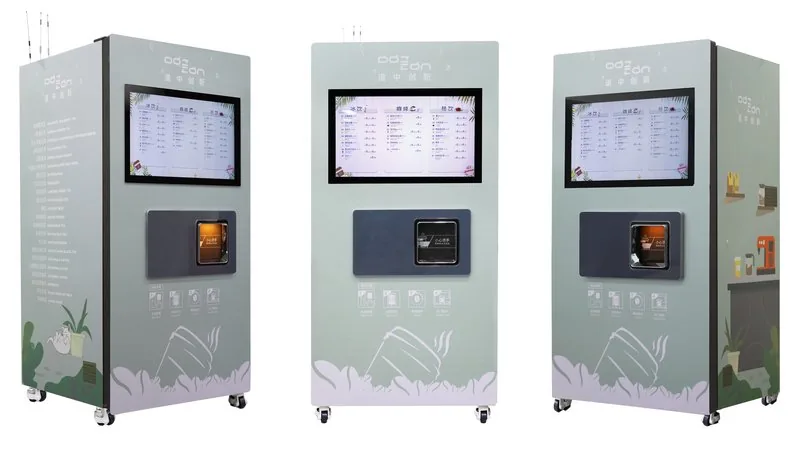
Multi-Drink vs Single-Category Yield
Output per square metre and per refill visit, compared across machine types.
Site selection gets most of the attention, but the same location can produce very different numbers depending on what the machine sells and when. A single-category machine earns on simplicity; a multi-category machine earns on covering more of the day. Neither wins by default.
These notes look at demand rather than hardware: which categories fill which hours, how menu length affects choice time, and why some sites keep volume after the novelty is gone.
Two sites on the same street can differ by a factor of three, and the difference is almost never the machine. It is when people arrive, how long they stay, and whether they are allowed to stop.
| Daypart | What sells | What to stock | What breaks |
|---|---|---|---|
| Early morning | Plain coffee, hot, fast | One or two lines, deep par level | Cup stacks run out first |
| Mid-morning | Second cup, milk-based | Milk capsules, lids | Queue forms at one unit |
| Lunch | Cold and sweet, larger cups | Juice and tea lines, ice path | Chiller recovery time |
| Afternoon | Decaf, tea, lower price point | Tea and herbal lines | Nothing - and that is the problem |
| Evening / night | Sparse, high price tolerance | Whatever is left, honestly | Nobody restocks, faults sit overnight |
Read a site by daypart and the menu writes itself. A site that sells ninety percent before eleven does not need a full-day menu; it needs two lines stocked deeper. A site with an afternoon gap is usually a pricing problem, not a demand problem.
Seasonality works the same way at a slower speed. Cold lines climb in summer and the chiller becomes the constraint; hot lines climb in winter and the boiler recovery rate becomes the constraint. Neither shows up in a monthly total until it is already a complaint.
Output per square metre and per refill visit, compared across machine types.
Category demand, buyer profile and time-of-day patterns.
Where unmanned fits against convenience retail and staffed cafés.
How operators run dozens of sites without adding headcount.
Looking for something narrower? The full article index groups every guide by topic - placement, cleaning, payment, restocking and more.

Dozzon Innovation Technology, specializing in smart unmanned retail equipment R&D and manufacturing.